
Full Coverage Car Insurance — South Dakota
Free to compare
When Full Coverage Becomes Optional
You own two cars: one financed, one paid off. The lender requires full coverage on the financed vehicle, but the older car sits in your driveway with collision and comprehensive coverage you're not sure you need. South Dakota law requires only liability insurance — $25,000 per person for bodily injury, $50,000 per accident, and $25,000 for property damage — plus uninsured motorist coverage. Full coverage is a lender requirement, not a state mandate.
The decision to carry full coverage on every vehicle in your household is a coverage-structure question, not a compliance question. Collision pays to repair your car after an accident regardless of fault; comprehensive covers theft, weather damage, and vandalism. Together with liability they form what carriers call full coverage. When a vehicle is financed or leased, the lienholder mandates both. When you own the car outright, the choice is yours.
“Full coverage is a lender requirement, not a state mandate — South Dakota law requires only liability and uninsured motorist coverage.”

Check Your Rate Against Other South Dakota Drivers
Get My South Dakota Car Insurance Quote$25,000/$50,000/$25,000
South Dakota Liability Minimums
South Dakota requires $25,000 bodily injury per person, $50,000 per accident, and $25,000 property damage. Uninsured motorist coverage is also mandatory. These minimums apply to every vehicle you register, but they do not require collision or comprehensive.
South Dakota Department of Public Safety
What Full Coverage Actually Covers
Full coverage is liability plus collision plus comprehensive. Liability covers damage you cause to others. Collision covers damage to your own vehicle after a crash, whether you hit another car, a guardrail, or rolled the vehicle. Comprehensive covers non-collision events: theft, hail, fire, vandalism, hitting a deer, or a tree falling on your car during a storm.
Each coverage carries a deductible — the amount you pay out of pocket before the carrier pays the rest. A $500 or $1,000 deductible is standard.
Liability does not cover your own vehicle. If you cause an accident and carry only South Dakota's minimum liability, the other driver's damage is covered up to your limits, but your car is not. Collision is the coverage that repairs your vehicle after an at-fault crash.
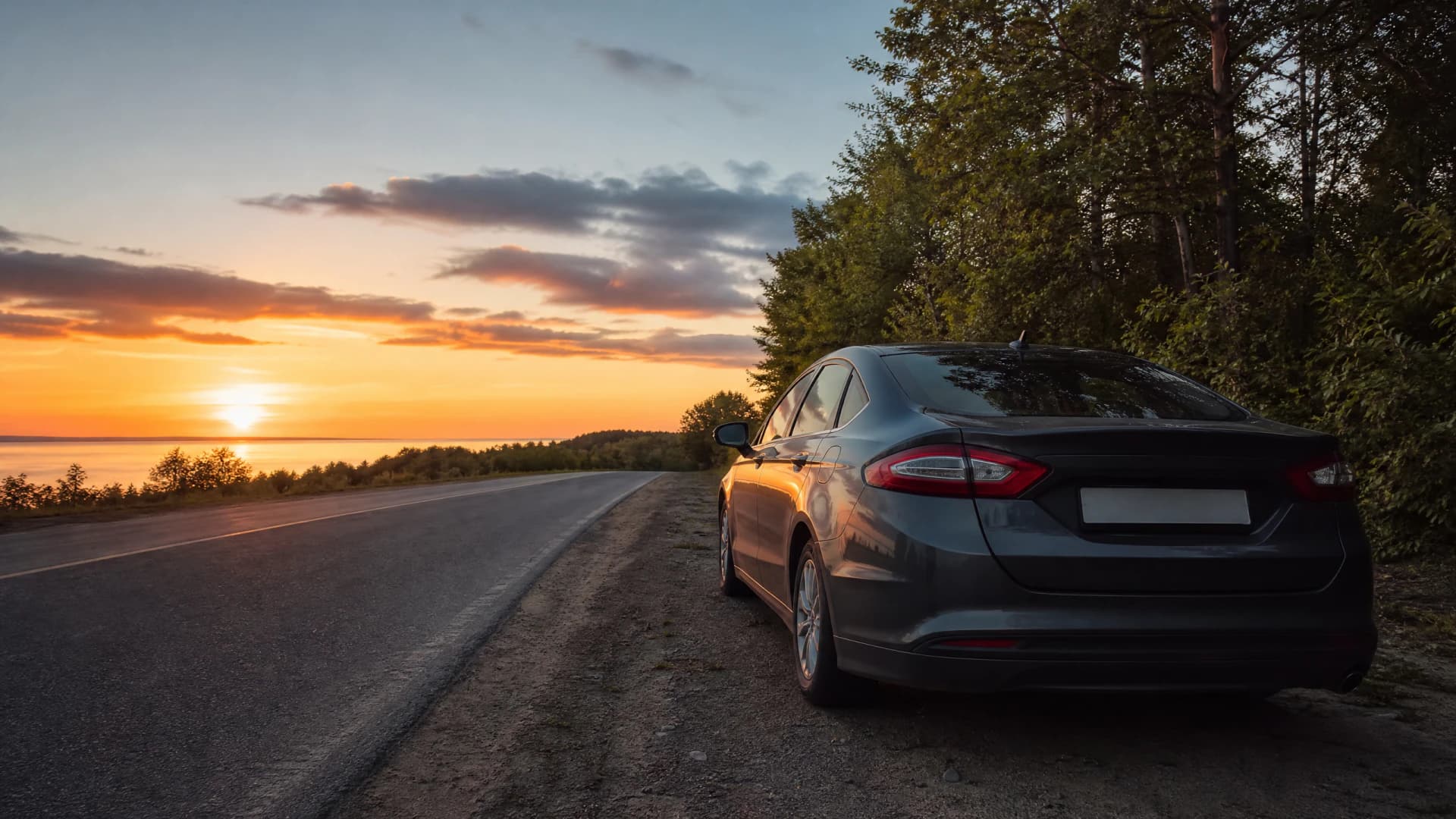
A lender or lease company will force-place coverage if you drop collision or comprehensive on a financed vehicle, and force-placed insurance costs more than coverage you buy yourself.
Related Articles
Best Car Insurance for Multiple Vehicles SD
7/15/2026
Full Coverage for Financed Cars in SD
7/15/2026
Liability vs Full Coverage Multi-Car SD
7/15/2026
Minimum vs Full Coverage for Multiple Cars SD
7/15/2026
Liability vs Full Coverage for Multiple Cars SD
7/15/2026

Dropping Full Coverage in South Dakota
7/15/2026
When to Drop Full Coverage on Older Vehicles
Drop collision and comprehensive on vehicles whose actual cash value is low enough that the annual cost of coverage exceeds the likely payout. The math stops working when the vehicle's value falls below a threshold where you can absorb the loss yourself.
Drop full coverage on rarely-driven vehicles stored in a garage. If you own a classic car, a project vehicle, or a third car you drive only occasionally, comprehensive may still make sense for theft and fire risk, but collision becomes expensive coverage for a vehicle that rarely leaves your property. Some carriers offer storage or lay-up policies with comprehensive-only coverage at a lower rate.
Drop full coverage on vehicles you plan to replace soon. If you intend to sell or trade a car within the next year, paying for collision coverage on a vehicle you will not repair after an accident wastes money. Keep liability to meet South Dakota's legal requirements, but the collision coverage becomes optional the moment you decide the car is not worth fixing.
9.4%
South Dakota Uninsured Motorist Rate
9.4% of South Dakota motorists drove uninsured in 2023. Uninsured motorist coverage is mandatory in South Dakota and covers you when an at-fault driver has no insurance. It does not replace collision, which covers your vehicle regardless of who caused the crash.
Insurance Research Council, 2023

How Dropping Coverage on One Vehicle Affects Your Policy
Most carriers write one policy covering every vehicle in your household. When you drop collision and comprehensive on one car, the policy re-rates. The multi-car discount applies to the policy as a whole, not to individual vehicles, so dropping coverage on one car lowers your total premium but does not eliminate the discount. The remaining vehicles still benefit from the multi-car rate.
Dropping full coverage on one vehicle does not affect the coverage on your other cars. Each vehicle on the policy carries its own coverage selections. You can keep full coverage on your financed sedan and drop it on your paid-off truck, and both remain on the same policy. The liability requirement applies to every vehicle you register in South Dakota, so you cannot drop liability without surrendering the registration.
Compare Carriers Writing Multiple Vehicles in South Dakota
Nineteen carriers write auto insurance in South Dakota, and not all of them offer the same multi-car discount structure or the same flexibility to mix coverage levels across vehicles. Compare South Dakota car insurance carriers that write policies covering multiple vehicles with different coverage selections. Some carriers price collision and comprehensive separately per vehicle; others bundle them at the policy level and make it harder to drop coverage on individual cars.
When you request quotes, specify which vehicles you want full coverage on and which you want liability-only. The quote should reflect the actual coverage structure you intend to carry, not a default assumption that every car needs collision and comprehensive. Carriers that specialize in multi-vehicle households often provide better rates for mixed-coverage policies than carriers built around single-car drivers.
When to Keep Full Coverage on Every Vehicle
Keep full coverage on any vehicle with an outstanding loan or lease. The lienholder requires it, and dropping it triggers a breach of your financing agreement. The lender will force-place coverage at a higher cost and add it to your loan balance. Keep full coverage on newer vehicles you cannot afford to replace out of pocket. If your car is totaled and you owe more than its actual cash value, collision covers the gap only if you added gap insurance; otherwise you still owe the lender after the payout.
Keep full coverage on vehicles you drive daily in areas with high theft or weather risk. South Dakota recorded 205.2 motor vehicle thefts per 100,000 population in 2024, and comprehensive covers theft. Hail is common across the state, and comprehensive is the only coverage that pays for storm damage to your vehicle. If you park multiple cars outside and cannot afford to repair hail damage on all of them, comprehensive is the coverage that prevents that scenario.
Get Your Free Quote
Get My South Dakota Car Insurance QuoteFrequently Asked Questions
Does South Dakota require full coverage car insurance?
No. South Dakota requires only liability insurance — $25,000 per person for bodily injury, $50,000 per accident, and $25,000 for property damage — plus uninsured motorist coverage. Full coverage (liability plus collision plus comprehensive) is mandatory only when a lender or lease company requires it as a condition of financing.
What happens if I drop full coverage on a financed car in South Dakota?
The lender will force-place collision and comprehensive coverage on the vehicle and add the cost to your loan balance. Force-placed insurance costs more than coverage you buy yourself and provides only the minimum protection the lender requires. Dropping required coverage breaches your financing agreement.
Can I carry full coverage on one car and liability-only on another in South Dakota?
Yes. Most carriers write one policy covering every vehicle in your household, and you can select different coverage levels for each car. Full coverage on a financed vehicle and liability-only on a paid-off car is a common structure. The multi-car discount applies to the policy as a whole.
When should I drop collision and comprehensive in South Dakota?
Drop collision and comprehensive when the vehicle's actual cash value is low enough that the annual cost of coverage exceeds the likely payout after your deductible.
Does uninsured motorist coverage replace collision in South Dakota?
No. Uninsured motorist coverage pays for your injuries and damage when an at-fault driver has no insurance, but it does not cover your vehicle after an at-fault crash you caused. Collision is the coverage that repairs your car regardless of who caused the accident. South Dakota requires uninsured motorist coverage on every policy.
How does dropping full coverage on one vehicle affect my multi-car discount?
The multi-car discount applies to the policy as a whole, not to individual vehicles. Dropping collision and comprehensive on one car lowers your total premium but does not eliminate the discount. The remaining vehicles on your policy still benefit from the multi-car rate.