
Minimum Coverage vs Full Coverage — South Dakota
Free to compare
The Minimum Coverage Decision With Multiple Vehicles
You own two or three cars. South Dakota law requires $25,000 per person, $50,000 per accident bodily injury liability, and $25,000 property damage liability on every vehicle you register. The state also mandates uninsured motorist coverage. That minimum meets the registration requirement, but it covers only damage you cause to other people and their property — not damage to your own vehicles.
When you insure multiple cars on one policy, the minimum-versus-full-coverage decision multiplies. Collision and comprehensive coverage protect each vehicle individually. A household with three cars carrying only minimum liability has zero coverage for repair or replacement of any of those three vehicles after an at-fault accident, a hailstorm, or a theft. The question is whether the premium difference justifies that exposure across your entire household fleet.
“Minimum liability leaves every vehicle you own uninsured for physical damage — a household with three cars has zero protection for any of them.”
Check Your Rate Against Other South Dakota Drivers
Get My South Dakota Car Insurance Quote$25,000 / $50,000 / $25,000
South Dakota Minimum Liability
Bodily injury per person, bodily injury per accident, and property damage per accident. Uninsured motorist coverage is also required. These minimums apply to every vehicle you register, but they pay only for losses you cause to others.
South Dakota Department of Public Safety
What Minimum Liability Actually Covers
South Dakota's minimum liability pays for bodily injury and property damage you cause to other people. If you hit another driver and injure them, your $25,000-per-person limit pays their medical bills up to that cap. If you total their car, your $25,000 property damage limit pays for their vehicle repair or replacement. The $50,000 per-accident cap applies when multiple people are injured in a single collision.
Minimum liability does not pay for damage to your own vehicle. If you cause an accident and your car is totaled, you receive nothing from your liability coverage. If someone hits your parked car and drives away, your liability coverage does not respond. If hail shatters your windshield or a tree falls on your car during a storm, your liability coverage does not pay. Liability protects other people from you — it does not protect you from other people or from non-collision events.
Uninsured motorist coverage, which South Dakota requires, pays for your own injuries when an at-fault driver has no insurance. It does not pay for damage to your vehicle. For that, you need collision and comprehensive coverage.
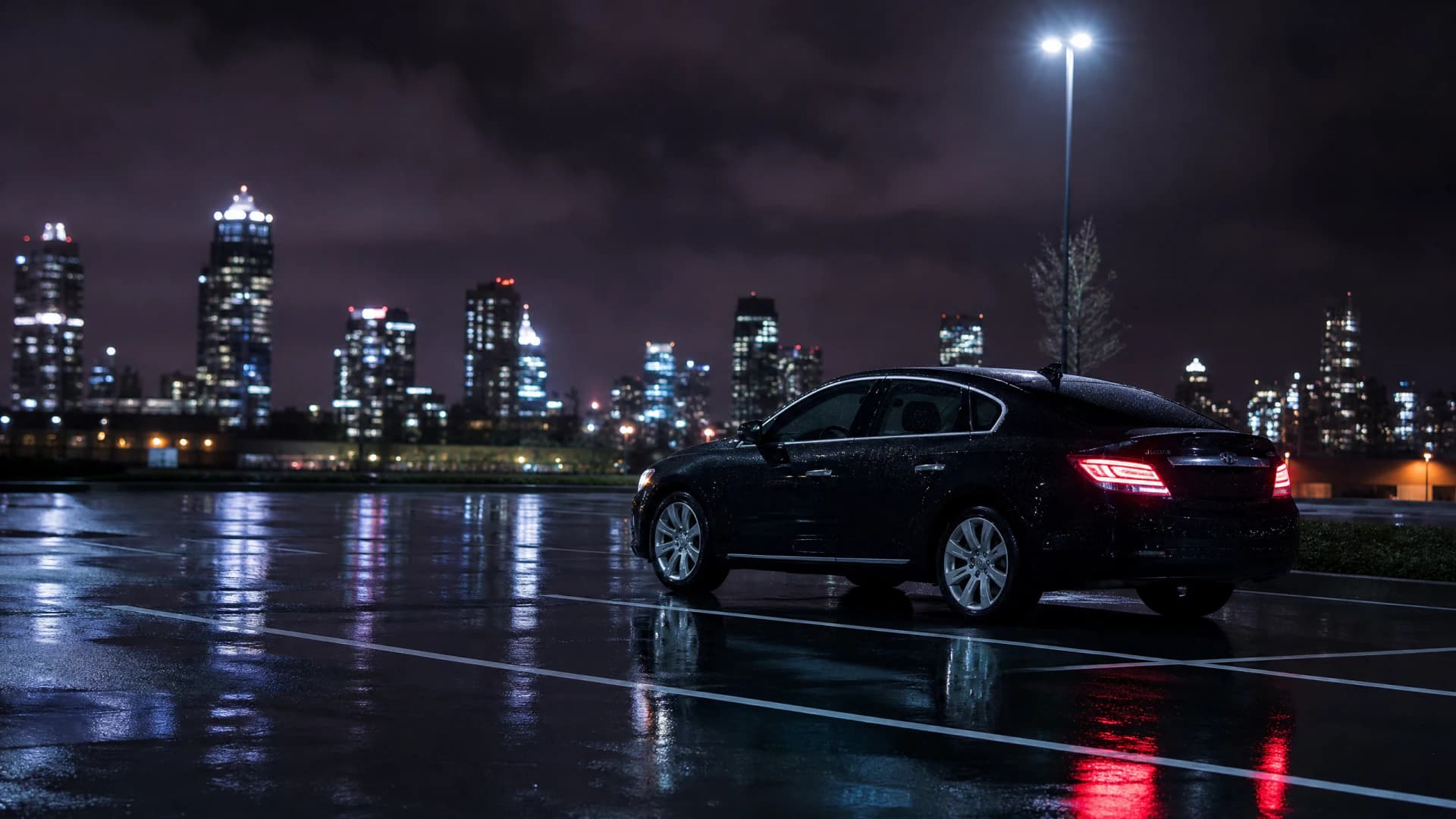
Minimum liability leaves every vehicle you own uninsured for physical damage. A household with three cars carrying only minimum coverage has zero protection for repair or replacement of any of those vehicles.
Related Articles

Best Car Insurance for Multiple Vehicles SD
7/15/2026

Liability vs Full Coverage for Multiple Cars SD
7/15/2026
Liability vs Full Coverage Multi-Car SD
7/15/2026
Best Carriers for Minimum Coverage SD
7/15/2026
Full Coverage Car Insurance in South Dakota
7/15/2026

Optional Car Insurance Worth It — South Dakota
7/15/2026
How the Decision Scales Across Multiple Vehicles
When you insure two or more vehicles on one policy, the collision and comprehensive decision repeats for each car. A newer vehicle with a loan or lease typically requires both coverages as a condition of financing. An older vehicle you own outright gives you the choice. The conventional threshold: if the vehicle's value is less than ten times your annual collision and comprehensive premium for that vehicle, the coverage may cost more over time than the payout you would receive after a total loss.
South Dakota households often structure coverage by vehicle age and use. The family's primary commuter vehicle — newer, higher value, driven daily — carries full coverage. The second car, older and used occasionally, carries liability and comprehensive but skips collision. The third vehicle, a work truck or a teenager's first car with low market value, carries minimum liability only. This structure balances premium cost against the household's actual financial exposure on each vehicle.
The multi-car discount applies to the entire policy, not to individual coverages. Adding a second or third vehicle to your policy reduces the per-vehicle premium, but the discount applies whether you carry minimum liability or full coverage on each car. The savings come from insuring multiple vehicles with one carrier, not from the coverage level you choose.
9.4%
South Dakota Uninsured Motorist Rate
Nearly one in ten drivers on South Dakota roads carries no insurance. Uninsured motorist coverage, which the state requires, pays for your injuries when an uninsured driver hits you. Collision coverage pays for your vehicle damage in the same scenario.
Insurance Information Institute, 2023
When Full Coverage Makes Sense for Every Vehicle
Full coverage on every vehicle makes sense when the household cannot afford to replace any of the cars out of pocket after a total loss. If losing any one vehicle creates a financial or logistical crisis — a parent cannot get to work, a teenager cannot get to school, a household member has no transportation — then collision and comprehensive on that vehicle are not optional. The premium is the cost of avoiding that crisis.
Households financing multiple vehicles almost always carry full coverage on every financed car. Lenders require it. Once the loan is paid off, the household can drop collision and comprehensive, but many choose to keep both coverages as long as the vehicle's value justifies the premium.
Compare Carriers That Write Multi-Vehicle Policies in South Dakota
South Dakota households insuring two or more vehicles should compare carriers on both the multi-car discount and the per-vehicle cost of adding collision and comprehensive. Some carriers offer a larger discount on the base premium but charge more for physical-damage coverages. Others price collision and comprehensive lower but apply a smaller multi-vehicle discount. The total premium across all vehicles on the policy is what matters, not the discount percentage alone.
Nineteen carriers write auto insurance in South Dakota, including Allstate, American Family, Farmers, Geico, Progressive, State Farm, and USAA. Each prices multi-vehicle policies differently. Request quotes that show the per-vehicle breakdown for liability, collision, and comprehensive so you can see exactly what you pay to protect each car. Compare the total annual premium for the entire household policy, not just the monthly payment, to understand the true cost difference between minimum liability and full coverage across your fleet.
What Full Coverage Adds to a Multi-Vehicle Policy
Collision coverage pays to repair or replace your vehicle after an at-fault accident, a single-car crash, or a collision with an object. If you slide into a guardrail on ice, collision pays for your car's damage minus your deductible. If you back into a pole in a parking lot, collision pays. If another driver hits you and has no insurance or insufficient coverage, collision pays for your car while your uninsured motorist coverage handles your injuries. Collision applies per vehicle — you choose whether to add it to each car on your policy individually.
Comprehensive coverage pays for damage from non-collision events: theft, vandalism, hail, falling objects, fire, flood, and animal strikes. South Dakota's weather produces hail and ice storms that damage parked vehicles. Comprehensive pays for windshield replacement, dent repair, and total-loss replacement when a storm destroys a car. Like collision, comprehensive applies per vehicle. A household with three cars can carry comprehensive on two and skip it on the third, or add it to all three. The deductible you choose — typically $500 or $1,000 — applies separately to each vehicle when you file a claim.
Get Your Free Quote
Get My South Dakota Car Insurance QuoteFrequently Asked Questions
Does South Dakota require full coverage on all vehicles?
No. South Dakota requires only $25,000/$50,000/$25,000 liability and uninsured motorist coverage. Collision and comprehensive are optional unless your lender requires them. You choose whether to add physical-damage coverage to each vehicle on your policy.
Can I carry full coverage on one car and minimum liability on another?
Yes. When you insure multiple vehicles on one policy, you choose collision and comprehensive coverage separately for each car. Many households carry full coverage on newer vehicles and minimum liability on older cars with low market value.
Does the multi-car discount apply if I only carry minimum liability?
Yes. The multi-car discount applies to the entire policy when you insure two or more vehicles with one carrier, regardless of the coverage level you choose for each car. The discount reduces the per-vehicle premium, not the coverage options available.
What happens if an uninsured driver totals my car in South Dakota?
Your uninsured motorist coverage pays for your injuries, but it does not pay for vehicle damage. Collision coverage pays to repair or replace your car after an accident with an uninsured driver. Without collision, you receive no payment for your vehicle.
How do I decide whether to drop collision on an older vehicle?
Compare the vehicle's current market value to the annual cost of collision and comprehensive coverage for that car. If the value is less than ten times the annual premium, the coverage may cost more over time than the payout after a total loss. Factor in whether you can replace the vehicle out of pocket if it is totaled.