
Full Coverage for Financed Cars — South Dakota
Free to compare
The Lender Requirement vs State Law
You bought a car with a loan and the lender told you full coverage is required. You check South Dakota's minimum insurance requirements and see only liability listed: $25,000 per person for bodily injury, $50,000 per accident for bodily injury, and $25,000 for property damage. You wonder whether full coverage is actually mandatory or just something the dealer recommended.
South Dakota law does not require full coverage. The state mandates only liability insurance and uninsured motorist coverage. The full-coverage requirement comes from your loan contract, not from state statute. When you finance a vehicle, the lender holds a lien on the car until you pay off the loan. The lender requires collision and comprehensive coverage to protect their financial interest in the vehicle. If you total the car without collision coverage, you still owe the full loan balance even though the car is gone. The lender writes this requirement into the loan agreement as a condition of financing.
“The lender requires collision and comprehensive through the loan contract, not state law, and dropping either before payoff triggers forced-place insurance.”

Check Your Rate Against Other South Dakota Drivers
Get My South Dakota Car Insurance Quote$25,000 / $50,000 / $25,000
South Dakota Minimum Liability
South Dakota requires $25,000 per person for bodily injury, $50,000 per accident for bodily injury, and $25,000 for property damage. These minimums apply to every registered vehicle, financed or not. Uninsured motorist coverage is also mandatory.
South Dakota Codified Laws 32-35
What Full Coverage Actually Means
Full coverage is not a single insurance product. It is shorthand for a policy that includes liability, collision, and comprehensive coverage together. Collision pays to repair or replace your car after an accident with another vehicle or object, regardless of who caused it. Comprehensive pays for damage from non-collision events: theft, vandalism, hail, fire, hitting a deer. Both coverages require you to choose a deductible, typically $500 or $1,000, which is the amount you pay out of pocket before insurance covers the rest.
The lender does not care whether you carry the state's minimum liability limits or higher limits. They care that collision and comprehensive are active on the policy. If you drop either coverage while the loan is outstanding, the lender receives a lapse notice from your insurer. The lender then buys forced-place insurance to protect their interest in the vehicle. Forced-place insurance covers only the lender's loss, not yours, and costs significantly more than voluntary coverage because it is added without competitive bidding. You pay the premium as part of your loan payment.
Some borrowers assume they can drop collision or comprehensive once the car's value falls below a certain threshold. The loan contract does not allow this. The requirement stays in force until the loan is paid off and the lien is released, regardless of the car's current market value. If you want to drop either coverage, you must pay off the loan first or refinance with a lender that does not require it, which is rare.

Dropping collision or comprehensive before the loan is paid off triggers forced-place insurance from the lender, which costs more than voluntary coverage and protects only the lender's interest, not yours.
Related Articles

Best Car Insurance for Multiple Vehicles SD
7/15/2026

Full Coverage Car Insurance in South Dakota
7/15/2026
Minimum vs Full Coverage for Multiple Cars SD
7/15/2026
Liability vs Full Coverage Multi-Car SD
7/15/2026

Liability vs Full Coverage for Multiple Cars SD
7/15/2026

Full Coverage Companies South Dakota
7/15/2026
What Happens When You Pay Off the Loan
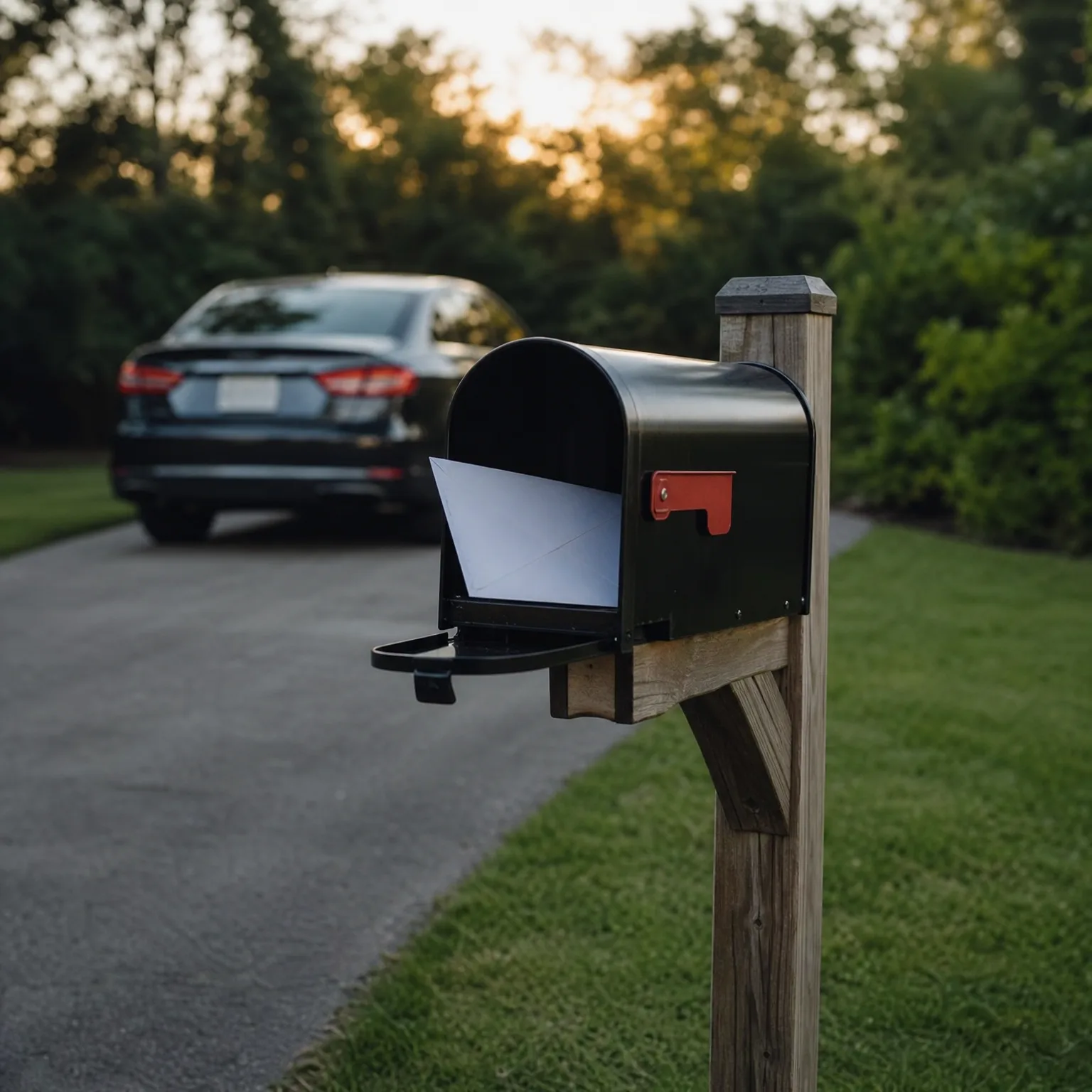
Once the loan is paid off, the lender releases the lien and removes themselves as an additional interest on your policy. At that point, you are free to drop collision and comprehensive if you choose. Many drivers keep both coverages if the car is worth more than a few thousand dollars, because replacing the car out of pocket after a total loss is expensive. The decision depends on the car's current value and your ability to replace it without insurance.
After the lien is released, contact your insurance company to remove the lienholder from your policy. This does not change your coverage, but it ensures claim payments go directly to you rather than being split between you and a lender that no longer has an interest in the vehicle. Some insurers remove the lienholder automatically when they receive the lien-release notice from the lender; others require you to request it.
If you decide to drop collision or comprehensive after payoff, call your insurer rather than letting the policy lapse. Dropping a coverage mid-term generates a prorated refund for the unused portion of the term. Letting the policy lapse for non-payment does not generate a refund and creates a coverage gap that raises your rates when you reinstate. A gap also disqualifies you from continuous-coverage discounts most carriers offer.
9.4%
South Dakota Uninsured Motorist Rate
An estimated 9.4% of South Dakota drivers are uninsured. Uninsured motorist coverage is mandatory in South Dakota and protects you when an at-fault driver has no insurance. This coverage applies regardless of whether you carry collision and comprehensive.
Insurance Research Council, 2023
Coverage Gaps and Forced-Place Insurance
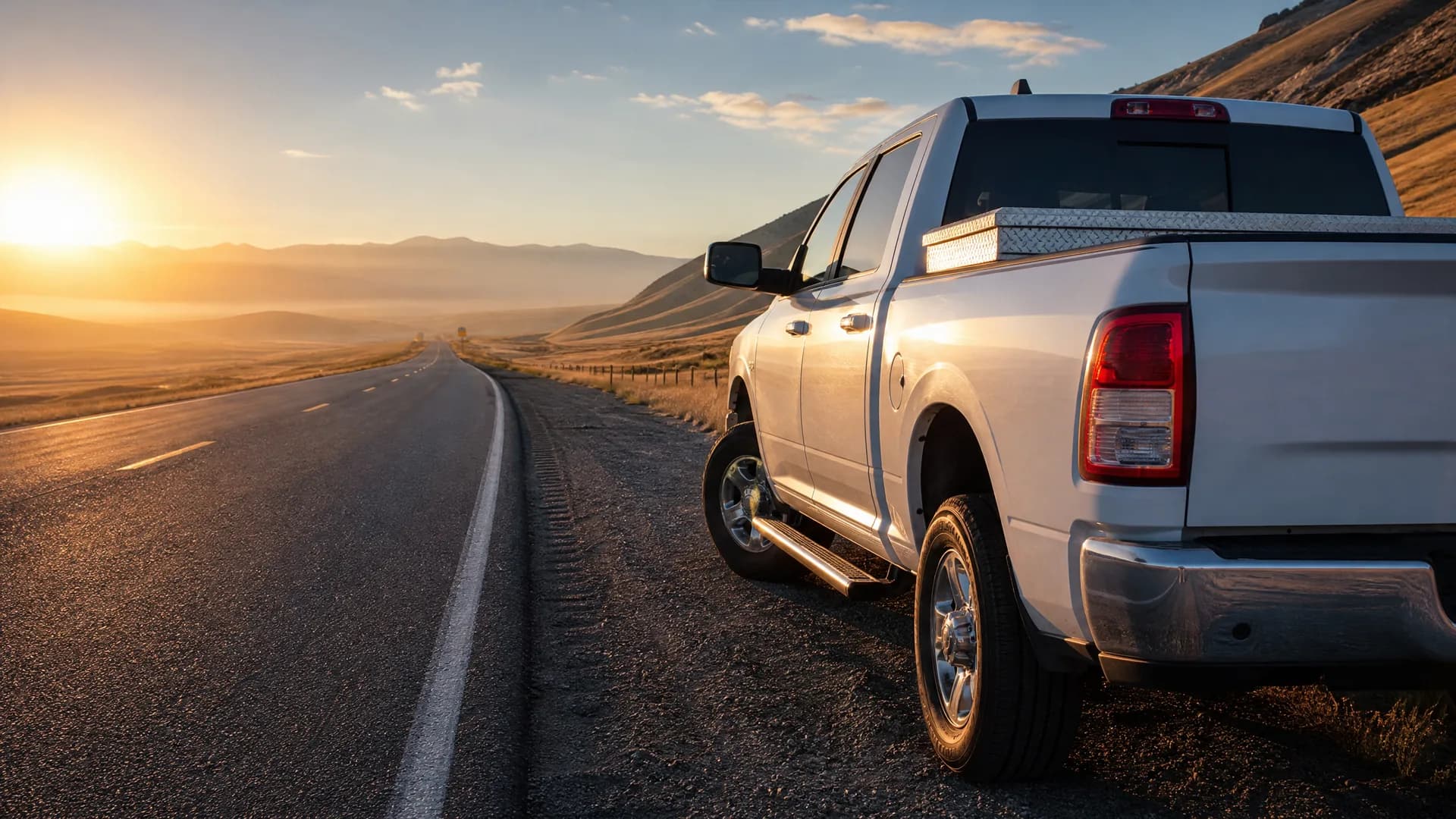
A coverage gap occurs when your policy cancels or lapses and you go without insurance for any period. Even a single day without coverage triggers consequences. In South Dakota, the Department of Public Safety can suspend your registration if you drive without the required liability and uninsured motorist coverage. If you are financing the car, the lender receives a lapse notice and begins the forced-place process regardless of how short the gap is.
Forced-place insurance is expensive because the lender buys it without shopping for competitive rates. The premium is added to your monthly loan payment, and the coverage protects only the lender's financial interest in the vehicle. If the car is totaled, forced-place insurance pays the lender the loan balance but does not cover your own loss. You still need your own collision and comprehensive policy to protect yourself. Many borrowers end up paying for both forced-place insurance and their own reinstated policy simultaneously until the lender processes the removal of forced-place coverage, which can take 30 to 60 days even after you prove voluntary coverage is active again.
Choosing Deductibles and Coverage Limits
When you buy collision and comprehensive coverage to meet the lender's requirement, you choose a deductible for each. The deductible is the amount you pay out of pocket before insurance covers the rest of the claim. Common deductibles are $500 and $1,000. A higher deductible lowers your premium but increases your out-of-pocket cost if you file a claim. A $500 deductible costs more per month than a $1,000 deductible, but you pay less at claim time.
The lender does not dictate your deductible amount. They require only that collision and comprehensive are active on the policy. You can choose a $1,000 deductible to lower your premium, or a $500 deductible if you prefer lower out-of-pocket costs at claim time. The choice depends on your ability to pay the deductible if the car is damaged or stolen. If you cannot afford a $1,000 deductible, a $500 deductible is the better choice even though the premium is higher. Filing a claim and then being unable to pay the deductible delays the repair and leaves you without a car.

Compare Carriers That Write Full Coverage in South Dakota
South Dakota drivers have access to multiple carriers that write collision and comprehensive coverage. Carriers writing in South Dakota include State Farm, Geico, Progressive, Allstate, American Family, Farmers, and Nationwide, among others. Each carrier prices collision and comprehensive differently based on your driving record, the car's value, your location, and your deductible choice. Comparing quotes from multiple carriers is the only way to find the lowest rate for the coverage the lender requires. Request quotes with identical coverage limits and deductibles so you are comparing equivalent policies. Once you choose a carrier, provide the lender's name and address so the insurer can add them as a lienholder and additional interest on the policy.
How the Lender Monitors Your Coverage
When you finance a car, your insurance company adds the lender as a lienholder and an additional interest on your policy. The lienholder clause gives the lender the right to receive claim payments directly if the car is totaled or stolen. The additional-interest designation means the lender receives a copy of every notice your insurer sends you: renewal notices, cancellation notices, and lapse notices. If your policy cancels for non-payment or you drop collision or comprehensive, the lender knows within days.
Most lenders also subscribe to a continuous-monitoring service that tracks policy status electronically. The service pings your insurer's database regularly to confirm coverage is active. If the system detects a lapse or a missing coverage type, the lender receives an alert and begins the forced-place process. You typically receive a warning letter giving you 10 to 15 days to reinstate coverage before forced-place insurance is added to your loan. Once forced-place coverage is active, you pay both the forced-place premium and your own voluntary policy premium if you reinstate later, until the lender removes the forced-place coverage, which can take 30 to 60 days.
Get Your Free Quote
Get My South Dakota Car Insurance QuoteFrequently Asked Questions
Does South Dakota require full coverage on financed cars?
South Dakota law does not require full coverage. The state requires only liability and uninsured motorist coverage. The full-coverage requirement comes from your loan contract. The lender requires collision and comprehensive to protect their financial interest in the vehicle until the loan is paid off.
What happens if I drop collision or comprehensive while I still owe on the loan?
The lender receives a lapse notice and buys forced-place insurance to protect their interest. Forced-place insurance costs more than voluntary coverage and protects only the lender, not you. You pay the forced-place premium as part of your loan payment.
Can I drop full coverage once my car's value falls below a certain amount?
Not while the loan is outstanding. The lender's requirement stays in force until the loan is paid off and the lien is released, regardless of the car's current market value. Once the loan is paid off, you can drop collision and comprehensive if you choose.
How does the lender know if my insurance lapses?
Your insurer adds the lender as an additional interest on your policy. The lender receives a copy of every notice your insurer sends you, including cancellation and lapse notices. Most lenders also subscribe to continuous-monitoring services that track your policy status electronically.
What is forced-place insurance and why is it more expensive?
Forced-place insurance is coverage the lender buys to protect their financial interest when your voluntary coverage lapses. It is expensive because the lender buys it without shopping for competitive rates. It covers only the lender's loss, not yours, and is added to your monthly loan payment.
Do I need to notify my insurer when I pay off my car loan?
Contact your insurer to remove the lienholder from your policy once the loan is paid off. Some insurers remove the lienholder automatically when they receive the lien-release notice; others require you to request it. Removing the lienholder ensures claim payments go directly to you.