
Liability vs Full Coverage — South Dakota
Free to compare
The Multi-Vehicle Coverage Decision
You own two or more vehicles in South Dakota, and you're trying to decide whether to carry minimum liability on all of them or upgrade some to full coverage. The standard advice — compare the cost of collision and comprehensive against your vehicle's value — doesn't account for the fact that you're insuring multiple cars on one policy. The decision isn't just about each car in isolation; it's about how mixing coverage levels across vehicles on the same policy affects your multi-car discount and your total premium.
South Dakota requires $25,000 bodily injury per person, $50,000 bodily injury per accident, and $25,000 property damage liability on every registered vehicle. You must also carry uninsured motorist coverage. Those minimums apply to every car you own. The question is whether to stop there on all vehicles, or add collision and comprehensive — which covers damage to your own car from accidents, theft, weather, and other non-collision events — to some or all of them.
“The multi-car discount applies to your total policy premium after each vehicle's coverage is priced — mixing liability and full coverage does not reduce the discount.”
Check Your Rate Against Other South Dakota Drivers
Get My South Dakota Car Insurance Quote$25,000/$50,000/$25,000
South Dakota Liability Minimums
Every registered vehicle in South Dakota must carry at least $25,000 bodily injury per person, $50,000 bodily injury per accident, and $25,000 property damage liability. Uninsured motorist coverage is also mandatory.
South Dakota state minimum liability requirements
How Coverage Levels Interact on a Multi-Car Policy
When you insure multiple vehicles on one policy, each car gets its own coverage selections. You can carry liability-only on one vehicle and full coverage on another. The multi-car discount applies to the entire policy, not to individual vehicles, so mixing coverage levels doesn't forfeit the discount. What changes is how the base premium for each vehicle combines to produce your total cost.
A newer vehicle with a loan or lease typically requires collision and comprehensive coverage from the lender. An older paid-off vehicle does not. Many multi-vehicle households carry full coverage on the financed car and liability-only on the older one. That structure is common and works fine on a single policy. The confusion arises when you're trying to decide whether upgrading the second vehicle to full coverage saves money in the long run, or whether the added premium outweighs the protection.
The multi-car discount reduces the total premium for insuring multiple vehicles on one policy compared to insuring them separately. It does not change based on whether you carry liability or full coverage on each car. The discount applies to the combined policy premium after each vehicle's coverage selections are priced. So the decision about coverage levels is separate from the decision about combining vehicles on one policy — but the two interact because the total cost depends on both.
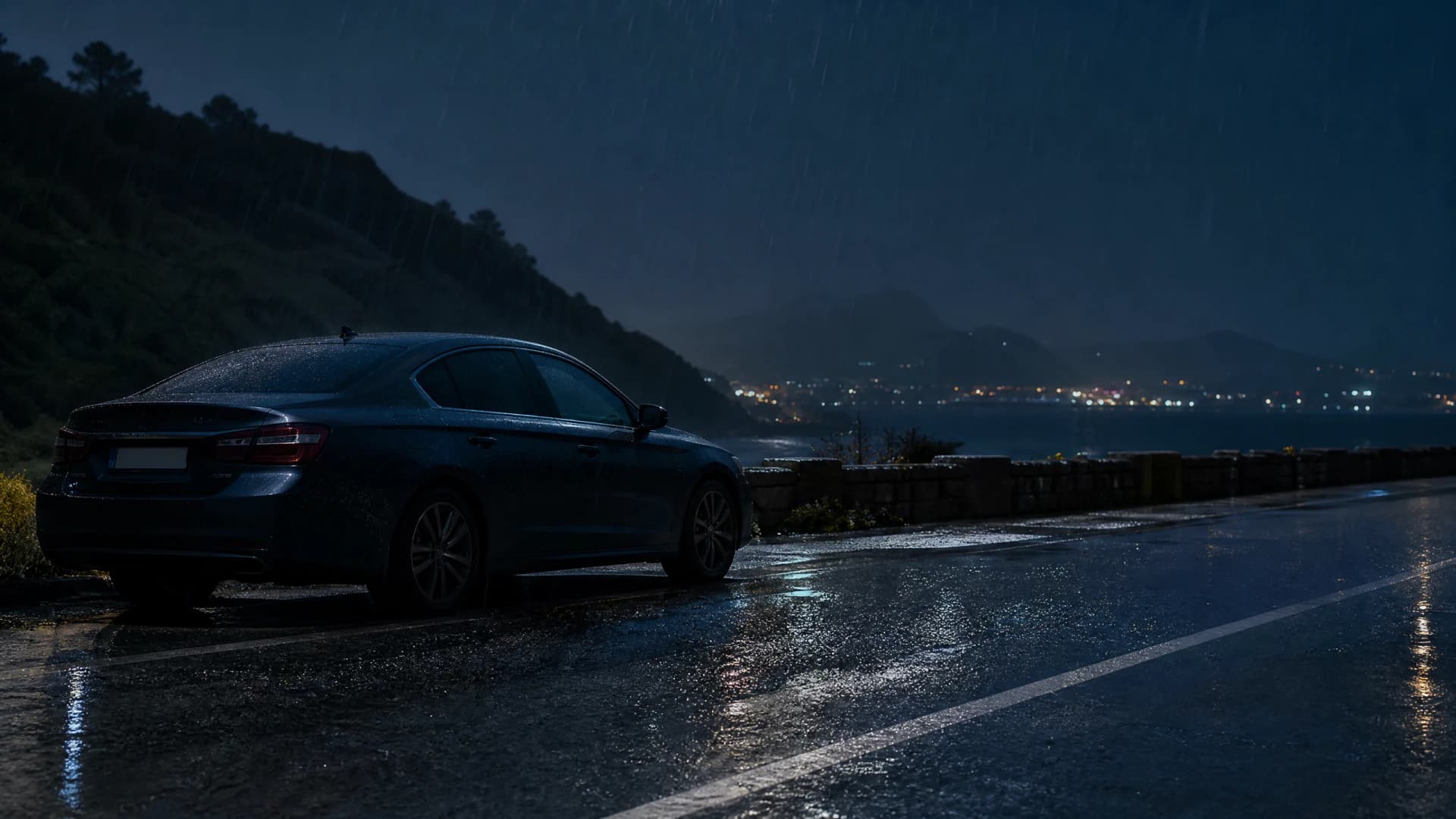
The multi-car discount applies to your total policy premium, not to individual vehicles. Mixing liability and full coverage across cars does not reduce or eliminate the discount.
Related Articles

Best Car Insurance for Multiple Vehicles SD
7/15/2026
Liability vs Full Coverage Multi-Car SD
7/15/2026

Minimum vs Full Coverage for Multiple Cars SD
7/15/2026

Multi-Car Coverage Levels in South Dakota
7/15/2026

Best Carriers for Minimum Coverage SD
7/15/2026

Full Coverage Car Insurance in South Dakota
7/15/2026

How Deductibles and Vehicle Age Change the Math
Collision and comprehensive coverage come with deductibles — the amount you pay out of pocket before the insurer covers the rest. Common deductibles are $500 or $1,000. A higher deductible lowers your premium but increases what you pay if you file a claim. On a multi-car policy, you can choose different deductibles for each vehicle.
As a vehicle ages and depreciates, the gap between its value and your deductible narrows.
Comprehensive coverage often remains worthwhile longer than collision, because it covers theft and weather damage at a lower annual cost. Many households drop collision on an older vehicle but keep comprehensive. On a multi-car policy, you can structure each vehicle differently: full coverage on the newest car, liability plus comprehensive on the mid-age car, and liability-only on the oldest one.
9.4%
South Dakota Uninsured Motorist Rate
Nearly one in ten drivers in South Dakota is uninsured. Uninsured motorist coverage is mandatory in South Dakota and protects you when an at-fault driver has no insurance. It does not replace collision coverage for damage you cause to your own vehicle.
South Dakota state insurance statistics, 2023

Splitting Coverage Across Vehicles Without Losing the Discount
The multi-car discount requires every vehicle to sit on the same policy. It does not require every vehicle to carry the same coverage level. You keep the discount whether you insure two cars with liability-only, two cars with full coverage, or one of each. The discount applies to the total policy premium after each vehicle's coverage is priced individually.
When you add a vehicle to an existing policy, the insurer re-rates the entire policy. The new vehicle's coverage selections — liability-only or full coverage, deductible amount, coverage limits — are priced, and then the multi-car discount is applied to the new total. If you're adding an older vehicle and choosing liability-only, the increase to your total premium will be smaller than if you added the same vehicle with full coverage. The discount percentage stays the same either way.
Compare Carriers That Write Multi-Vehicle Policies in South Dakota
Not every carrier prices multi-vehicle policies the same way. Some apply a larger multi-car discount; others start with a lower base rate and apply a smaller discount. A smaller discount on a lower base rate can produce a lower total premium than a larger discount on a higher base rate. The only way to know which structure works better for your household is to compare quotes with your actual vehicles and coverage selections entered.
In South Dakota, carriers writing multi-vehicle policies include State Farm, GEICO, Progressive, Allstate, Farmers, Nationwide, American Family, and USAA. Each prices liability and full coverage differently, and each applies the multi-car discount to a different base. When you're deciding between liability and full coverage on multiple vehicles, get quotes with both structures — all vehicles liability-only, all vehicles full coverage, and a mix — so you can see the actual dollar difference for your household. The comparison tool on this site lets you enter multiple vehicles and toggle coverage levels to see how the total premium changes.
When Full Coverage Makes Sense on a Multi-Car Policy
Full coverage makes sense when the vehicle's value is high enough that losing it would create a financial hardship you cannot absorb. A common rule of thumb: if the car is worth more than ten times the annual cost of collision and comprehensive coverage, the protection is worth considering. If the car is worth less, you're paying a significant percentage of its value each year to insure it, and self-insuring by setting aside that premium in savings may be a better choice.
On a multi-car policy, you run this calculation separately for each vehicle. The sedan's replacement cost is low enough that paying for collision and comprehensive every year adds up to a large fraction of its value over a few years. The SUV's replacement cost is high enough that the annual premium is a small fraction of what you'd lose if it were totaled.
Get Your Free Quote
Get My South Dakota Car Insurance QuoteFrequently Asked Questions
Can I carry liability on one car and full coverage on another on the same policy in South Dakota?
Yes. Each vehicle on a multi-car policy gets its own coverage selections. You can carry liability-only on one vehicle and full coverage on another without losing the multi-car discount. The discount applies to the total policy premium after each vehicle's coverage is priced individually.
Does dropping collision on an older vehicle reduce my multi-car discount in South Dakota?
No. The multi-car discount applies to the total policy premium, not to individual vehicles. Dropping collision on one vehicle lowers that vehicle's portion of the premium, and the discount is applied to the new total. The discount percentage does not change based on coverage levels.
What is the difference between liability and full coverage for multiple cars in South Dakota?
Liability coverage pays for damage you cause to others and meets South Dakota's $25,000/$50,000/$25,000 minimum requirement. Full coverage adds collision and comprehensive, which pay for damage to your own vehicle from accidents, theft, and weather. On a multi-car policy, you choose coverage levels separately for each vehicle.
How do I know if full coverage is worth it on my second vehicle in South Dakota?
Compare the vehicle's value to the annual cost of collision and comprehensive coverage. If the car is worth less than ten times the annual premium, or if the value is close to your deductible, liability-only may make more sense. Run the calculation separately for each vehicle on your policy.
Do I need the same deductible on all vehicles on a multi-car policy in South Dakota?
No. You can choose different deductibles for each vehicle. A common approach is a lower deductible on a newer financed vehicle and a higher deductible on an older paid-off one. Higher deductibles lower your premium but increase what you pay out of pocket after a claim.
Can I add a vehicle with liability-only to a policy where the other car has full coverage in South Dakota?
Yes. When you add a vehicle to an existing policy, you choose its coverage level independently. The new vehicle's premium is calculated based on your selections, then the multi-car discount is applied to the updated total. Mixing coverage levels does not affect the discount.