
Liability-Only vs Full Coverage — South Dakota
Free to compare
The Multi-Vehicle Coverage Decision
You own three vehicles. Two are financed and require full coverage by the lender. The choice looks straightforward until you call your carrier and learn that mixing coverage levels across vehicles on the same policy can shrink or eliminate your multi-car discount.
South Dakota law requires every registered vehicle to carry at least $25,000 per person and $50,000 per accident in bodily injury liability, plus $25,000 in property damage liability. Uninsured motorist coverage is also mandatory. Those minimums apply to every car you own, but collision and comprehensive are optional once the lender releases the title. The structural question is whether your carrier allows you to carry different coverage tiers on different vehicles without penalty.
“Dropping collision on one older car can disqualify the entire policy from the multi-car discount if the carrier requires uniform coverage levels.”
Check Your Rate Against Other South Dakota Drivers
Get My South Dakota Car Insurance Quote$25,000 / $50,000 / $25,000
South Dakota Minimum Liability
Every vehicle registered in South Dakota must carry at least $25,000 per person, $50,000 per accident in bodily injury liability, and $25,000 in property damage liability. Uninsured motorist coverage is also required.
South Dakota Department of Public Safety
What Liability-Only Actually Covers Across Multiple Cars
Liability-only means you carry the state minimum: bodily injury and property damage liability, plus uninsured motorist. If you cause an accident, your policy pays for the other driver's injuries and vehicle damage up to your limits. It does not pay to repair your own car. If someone hits you and they carry no insurance or insufficient coverage, your uninsured motorist coverage steps in for your injuries, but your vehicle damage is still your own expense unless you carry collision.
When you insure multiple vehicles on one policy, each car sits under the same liability limits unless you request split limits per vehicle. Most carriers apply the policy limits to any covered vehicle you're driving at the time of the accident. That structure works fine for liability. The friction appears when you try to carry collision on one vehicle and drop it on another.
Some carriers require uniform coverage across all vehicles to qualify for the multi-car discount. If you drop collision on the older car, the discount shrinks or disappears entirely, and the premium savings from dropping coverage are offset by the loss of the discount on the other two vehicles. Other carriers allow mixed coverage tiers without penalty. The policy structure varies by carrier, and you won't know which rule applies until you ask.
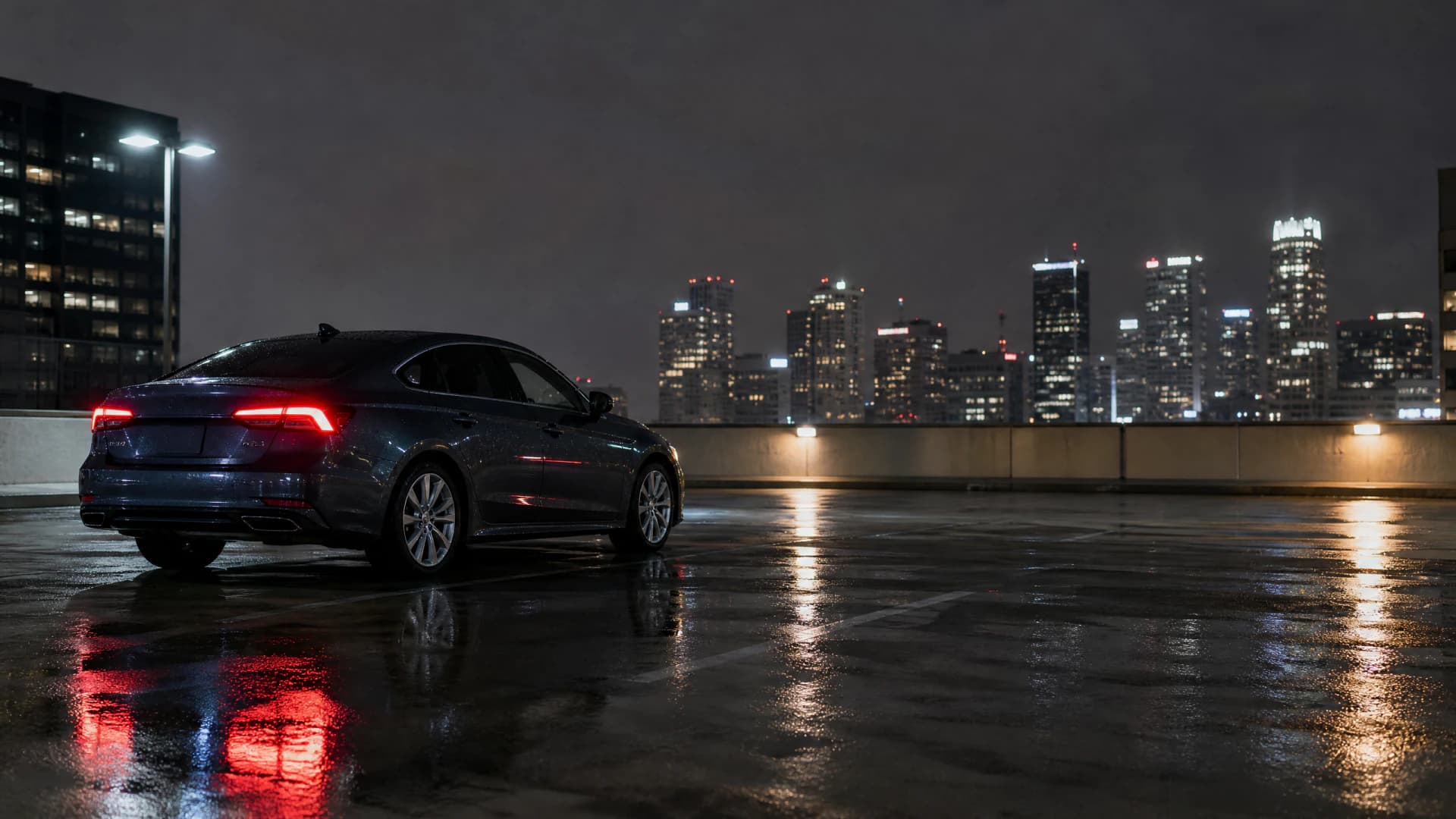
Dropping collision on one vehicle can disqualify the entire policy from the multi-car discount if your carrier requires uniform coverage levels across all cars.
Related Articles

Best Car Insurance for Multiple Vehicles SD
7/15/2026

Liability vs Full Coverage for Multiple Cars SD
7/15/2026
Minimum vs Full Coverage for Multiple Cars SD
7/15/2026

Multi-Car Coverage Levels in South Dakota
7/15/2026

Full Coverage Car Insurance in South Dakota
7/15/2026
Best Carriers for Minimum Coverage SD
7/15/2026

When Dropping Collision Makes Sense
The standard rule: if the vehicle is worth less than ten times the annual collision premium, drop collision. The math changes when you factor in the multi-car discount. If dropping collision on one vehicle costs you the discount on the other two, the net savings may be zero or negative.
Confirm with your carrier whether mixed coverage tiers are allowed. If they are, dropping collision on the older vehicle saves money with no penalty. If they are not, calculate the discount loss across all three vehicles before making the change.
Some carriers allow you to keep the multi-car discount as long as every vehicle carries at least liability and comprehensive, even if collision is dropped. Others require full coverage on every vehicle. The rule is carrier-specific, not state-specific. South Dakota law does not regulate multi-car discount structures.
9.4%
South Dakota Uninsured Motorist Rate
Nearly one in ten drivers in South Dakota carries no insurance. Uninsured motorist coverage is mandatory in South Dakota and protects you when an at-fault driver has no policy.
Insurance Research Council, 2023
Structuring Coverage Across Vehicles
If your carrier allows mixed coverage tiers, structure the policy by vehicle value and lien status. Financed vehicles carry full coverage because the lender requires it.
When you drop collision on one vehicle, confirm that comprehensive remains in place. Comprehensive is inexpensive relative to collision and covers risks that have nothing to do with driving: theft, hail, fire, vandalism.
Compare Carriers That Write Multi-Vehicle Policies in South Dakota
Nineteen carriers write auto insurance in South Dakota, including Allstate, American Family, Farmers, Geico, Progressive, State Farm, and USAA. Not all of them allow mixed coverage tiers on multi-vehicle policies. Some require uniform coverage to qualify for the multi-car discount. Others allow you to carry full coverage on two vehicles and liability-only on a third without penalty. The only way to know is to request quotes from multiple carriers with your actual vehicle roster and coverage preferences specified for each car.
When you compare quotes, provide the year, make, model, and current value of each vehicle, along with the coverage level you want on each. Ask explicitly whether the multi-car discount applies if you drop collision on one vehicle. The answer will vary by carrier. A carrier that penalizes mixed coverage may still offer a lower total premium than a carrier that allows it, or vice versa. The structure matters, but the final dollar amount matters more.
How Full Coverage Changes the Multi-Car Policy
When you add collision and comprehensive to a multi-vehicle policy, each car carries its own deductible. A $500 or $1,000 deductible is standard. If you file a claim on one vehicle, the deductible applies to that car only. The other vehicles on the policy are unaffected unless they're also damaged in the same incident. Carriers price collision and comprehensive separately for each vehicle based on the car's value, age, and theft risk in your ZIP code.
The multi-car discount applies to the entire policy premium, including collision and comprehensive. A household with three vehicles carrying full coverage on all three typically sees a larger absolute dollar discount than a household carrying liability-only, because the discount percentage applies to a higher base premium. But the percentage itself doesn't change. If your carrier offers a 15% multi-car discount, that 15% applies whether you carry liability-only or full coverage. The savings scale with the premium.
Get Your Free Quote
Get My South Dakota Car Insurance QuoteFrequently Asked Questions
Can I carry full coverage on one car and liability-only on another in South Dakota?
South Dakota law allows it, but your carrier may not. Some carriers require uniform coverage across all vehicles to qualify for the multi-car discount. Others allow mixed coverage tiers without penalty. Ask your carrier explicitly whether dropping collision on one vehicle affects the discount on the others.
Does South Dakota require uninsured motorist coverage on every vehicle?
Yes. South Dakota requires uninsured motorist coverage on every registered vehicle. The mandatory minimum is $25,000 per person and $50,000 per accident. This coverage protects you when an at-fault driver has no insurance. Nearly one in ten South Dakota drivers carries no insurance.
How does the multi-car discount work when vehicles have different coverage levels?
The multi-car discount typically applies to the total policy premium, but some carriers require every vehicle to carry the same coverage tier to qualify. If you drop collision on one vehicle, the discount may shrink or disappear on the other vehicles. The rule is carrier-specific. Request quotes with your actual coverage preferences specified per vehicle.
When should I drop collision coverage on an older vehicle?
Drop collision when the vehicle is worth less than ten times the annual collision premium, and when dropping it does not cost you the multi-car discount on your other vehicles. Confirm with your carrier whether mixed coverage tiers are allowed before making the change.
What is the difference between collision and comprehensive coverage?
Collision pays to repair your vehicle after an accident, regardless of fault. Comprehensive covers non-collision events: theft, vandalism, fire, hail, animal strikes. Both are optional in South Dakota once the lender releases the title. Comprehensive is typically less expensive than collision and covers risks unrelated to driving.
Do I need full coverage on every car to get the multi-car discount in South Dakota?
It depends on the carrier. Some require full coverage on every vehicle to qualify for the multi-car discount. Others allow you to carry liability-only on one vehicle and full coverage on the others without penalty. The discount structure is set by the carrier, not by South Dakota law.