
Collision Coverage for Multiple Vehicles — South Dakota
Free to compare
The Multi-Vehicle Collision Question
You added a second or third car to your South Dakota policy and now face a collision-coverage decision that wasn't simple when you had one vehicle: do you carry collision on every car, drop it from older vehicles, or skip it entirely to keep the premium manageable? The carrier quoted you a rate that assumes you'll make the same choice for every vehicle, but your household's cars aren't identical in value or use.
South Dakota's 1,364,513 registered vehicles include everything from daily commuters to rarely-driven second cars and aging vehicles whose replacement value no longer justifies collision premiums. The multi-car discount applies to the entire policy, but collision coverage is priced per vehicle. That structure creates a decision point most single-car households never encounter: whether the coverage that makes sense for your newest car also makes sense for the older one sitting in the driveway.
“The multi-car discount applies whether you carry collision on one vehicle or three; dropping it from older cars keeps the discount intact.”

Check Your Rate Against Other South Dakota Drivers
Get My South Dakota Car Insurance Quote$25,000 / $50,000 / $25,000
South Dakota Minimum Liability
Bodily injury per person, per accident, and property damage. These minimums apply to every vehicle on your policy but say nothing about collision coverage, which is optional and priced separately per car.
South Dakota Department of Public Safety
What Collision Coverage Actually Protects
Collision coverage pays to repair or replace your vehicle after a crash with another car or object, regardless of fault. It covers single-vehicle accidents, backing into a pole, hitting a guardrail, and collisions where the other driver is uninsured or underinsured and your own property damage liability won't help you. The coverage applies per vehicle: if you carry it on two cars, both are covered; if you drop it from one, that car is not.
The coverage pays up to the actual cash value of the vehicle at the time of loss, minus your deductible. The deductible you choose applies every time you file a collision claim on that vehicle.
Collision does not cover damage from weather, theft, vandalism, or animal strikes. Those fall under comprehensive coverage, which is also optional and priced separately. The two coverages are independent: you can carry collision without comprehensive, comprehensive without collision, both, or neither.
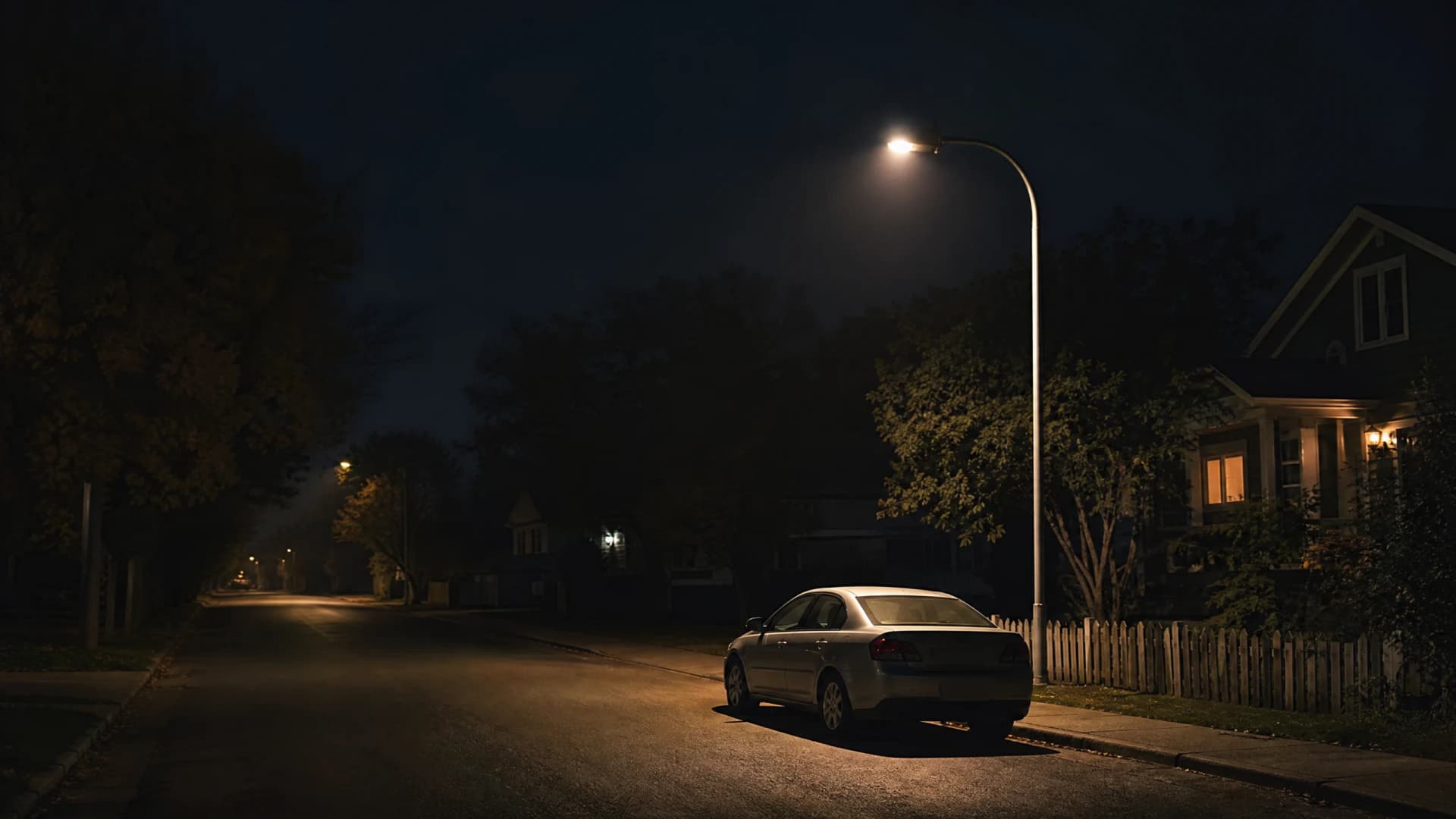
The multi-car discount lowers your base rate, but collision premiums are calculated per vehicle and can erase that savings if applied to cars whose value no longer justifies the cost.
Related Articles
Best Car Insurance for Multiple Vehicles SD
7/15/2026
Comprehensive Coverage Multi-Car SD
7/15/2026

Minimum vs Full Coverage for Multiple Cars SD
7/15/2026

Liability vs Full Coverage Multi-Car SD
7/15/2026
Deductibles and Multi-Car Policies in SD
7/15/2026
Liability vs Full Coverage for Multiple Cars SD
7/15/2026
How Deductible Choices Interact Across Vehicles
Your collision deductible is set per vehicle, not per policy. You can carry a $500 deductible on your newest car and a $1,000 deductible on an older one, or drop collision entirely from the older vehicle. Carriers price collision premiums based on the vehicle's value, your driving record, and the deductible you choose. A lower deductible raises the premium; a higher deductible lowers it.
The decision compounds when you're managing two or three cars. A $500 deductible on every vehicle raises the total collision premium across the policy. A $1,000 deductible on every vehicle lowers it but leaves you with a higher out-of-pocket cost if you file a claim. The optimal structure for most multi-vehicle households: carry collision with a moderate deductible on high-value cars, raise the deductible or drop coverage entirely on vehicles whose value has fallen below the threshold.
South Dakota does not mandate collision coverage. The state requires liability minimums and uninsured motorist coverage, but collision is optional regardless of how many vehicles you insure. A lender or lessor may require it on a financed or leased vehicle, but once the loan is paid off, the choice is yours.
205.2 per 100,000
South Dakota Vehicle Theft Rate
Motor vehicle thefts per 100,000 population in 2024. Collision coverage does not protect against theft; comprehensive coverage does. The two are independent, and theft risk does not change the collision-coverage calculation.
South Dakota statistical reporting, 2024

When One Vehicle Is Rarely Driven
A second or third car that sits in the driveway most of the week changes the collision calculation. Lower annual mileage reduces collision risk, but it doesn't eliminate the premium. Carriers price collision based on the vehicle's value and your policy profile, not on how often you drive it. A rarely-driven car with collision coverage costs nearly as much to insure as a daily driver of the same value.
If the vehicle is worth less than ten times the annual collision premium and you drive it fewer than 3,000 miles per year, dropping collision coverage is usually the correct structural choice. The multi-car discount applies to the policy whether that vehicle carries collision or not. You keep liability and uninsured motorist coverage on the vehicle because South Dakota requires them, but you stop paying collision premiums for a car you rarely use and whose replacement value wouldn't justify a claim after the deductible.
Compare Carriers That Write Multi-Vehicle Policies in South Dakota
Collision premiums vary by carrier even when the coverage, deductible, and vehicle are identical. The 19 carriers writing auto insurance in South Dakota price collision differently based on their own claims experience and underwriting models. Across two or three cars, that difference compounds.
When you're structuring collision coverage across multiple vehicles, compare quotes from carriers that write multi-car policies in South Dakota: Allstate, American Family, Farmers, Geico, Progressive, and State Farm all write multi-vehicle policies and offer online quoting. Request quotes with collision on every vehicle, collision only on high-value vehicles, and no collision coverage, then compare the total premium against your household's actual vehicle values and use patterns. The carrier that offers the lowest rate for one structure may not offer the lowest rate for another.
Vehicle Value and the Collision Decision
A conventional threshold: when a vehicle's actual cash value falls below ten times the annual collision premium, the coverage typically costs more over a few years than the maximum payout you'd receive.
South Dakota households with multiple vehicles often find one car well above that threshold and another well below it. Dropping collision from the older car and keeping it on the newer one is the structural answer most competing pages miss: the multi-car discount applies to the policy whether you carry collision on one vehicle or three.
Get Your Free Quote
Get My South Dakota Car Insurance QuoteFrequently Asked Questions
Do I have to carry collision coverage on every car on my South Dakota policy?
No. South Dakota does not require collision coverage on any vehicle. You can carry it on some cars and not others, or drop it entirely. Liability and uninsured motorist coverage are required, but collision is optional unless a lender requires it on a financed vehicle.
Does dropping collision from one vehicle affect my multi-car discount?
No. The multi-car discount applies to the entire policy based on the number of vehicles insured, not on whether each vehicle carries collision coverage. Dropping collision from an older car keeps the discount intact.
Can I set different collision deductibles for different vehicles on the same policy?
Yes. Collision deductibles are set per vehicle. You can carry a $500 deductible on your newest car and a $1,000 deductible on an older one, or drop collision entirely from vehicles whose value no longer justifies the premium.
What happens if I total a car that doesn't have collision coverage?
You receive no payout for your own vehicle. If the other driver is at fault and has liability coverage, their property damage liability pays for your car. If they're uninsured or underinsured, your uninsured motorist property damage coverage may apply, but without collision coverage on your own policy, you have no claim against your own carrier.
How do I know if my vehicle's value justifies collision coverage?
A conventional threshold: if the vehicle's actual cash value is less than ten times the annual collision premium, the coverage typically costs more over a few years than the maximum payout.
Does South Dakota require comprehensive coverage if I carry collision?
No. Collision and comprehensive are independent optional coverages. You can carry collision without comprehensive, comprehensive without collision, both, or neither. South Dakota requires only liability minimums and uninsured motorist coverage.