
Uninsured Motorist Coverage — South Dakota
Free to compare
Why Multi-Car Households Ask This Question
You just added a second vehicle to your South Dakota auto policy and noticed the uninsured motorist line on your declarations page. The premium went up, but the UM coverage limit stayed the same. You expected each car to carry its own UM protection, the way liability coverage scales per vehicle. Instead, the limit appears once, shared across both cars, and you are not sure whether that leaves you underinsured.
This confusion is structural. South Dakota mandates uninsured motorist coverage on every policy, but the way UM limits apply across multiple vehicles is not intuitive. Liability coverage protects others when you cause an accident; UM coverage protects you and your passengers when an uninsured driver hits you. The two coverages follow different stacking rules, and most carriers do not explain the difference until you file a claim.
“Your UM limit is shared across every vehicle on the policy; adding a third car does not triple your protection.”

Check Your Rate Against Other South Dakota Drivers
Get My South Dakota Car Insurance Quote9.4%
South Dakota Uninsured Motorists
Nearly one in ten drivers on South Dakota roads carries no liability insurance. That rate puts South Dakota slightly below the national average but still high enough that an uninsured-driver collision is a realistic risk for any household driving multiple vehicles daily.
Insurance Research Council, 2023
What South Dakota Actually Requires
South Dakota law requires every auto insurance policy to include uninsured motorist coverage. You cannot decline it outright. The minimum UM limit must match your liability limit: if you carry the state minimum liability of $25,000 per person and $50,000 per accident for bodily injury, your UM coverage must be at least $25,000/$50,000 as well. Property damage UM is not mandated, but bodily injury UM is non-negotiable.
The mandate applies at the policy level, not the vehicle level. When you add a second or third car to your policy, the carrier does not automatically issue a separate UM limit for each vehicle. Instead, the single UM limit you selected covers all vehicles on the policy. If two of your cars are involved in separate accidents with uninsured drivers on the same day, both claims draw from the same per-accident limit.
This is the structural reality most households miss. Liability limits scale with the number of vehicles because each car represents a separate exposure to causing harm. UM limits do not scale automatically because the coverage protects people, not cars. The number of injured passengers and the severity of their injuries drive the claim, not the number of vehicles you own.
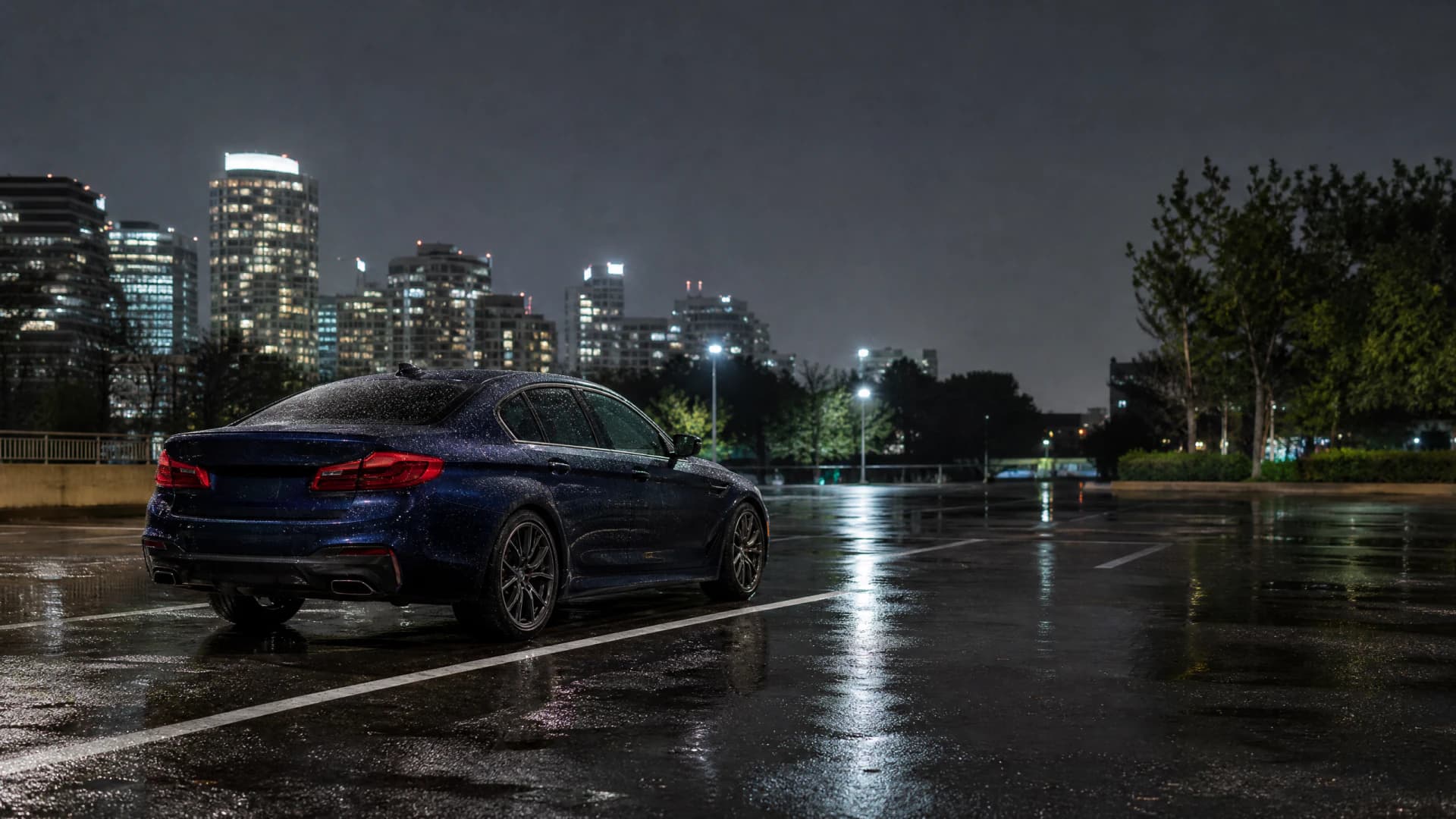
Your UM limit is shared across every vehicle on the policy. Adding a third car does not triple your uninsured-motorist protection unless you raise the limit manually.
Related Articles
Best Car Insurance for Multiple Vehicles SD
7/15/2026
Optional Car Insurance Worth It — South Dakota
7/15/2026
Choosing a Car Insurer in South Dakota
7/15/2026
Multi-Car Coverage Levels in South Dakota
7/15/2026

Minimum vs Full Coverage for Multiple Cars SD
7/15/2026

Best Carriers for Minimum Coverage SD
7/15/2026

When the Minimum Is Not Enough
The state minimum UM limit of $25,000 per person covers minor injuries: an emergency room visit, a few follow-up appointments, lost wages for a week or two. It does not cover a serious injury that requires surgery, months of physical therapy, or long-term disability. If an uninsured driver causes a collision that injures two passengers in your car, the $50,000 per-accident limit splits between them. A household with multiple drivers and frequent passengers should consider whether the minimum limit is adequate.
Raising your UM limit costs less than raising your liability limit because the carrier is not paying for damage you caused. For a household with three vehicles, two teenage drivers, and regular carpooling, the higher limit is often worth the cost. The risk is not the number of cars you own; the risk is the number of people riding in them and the severity of injuries an uninsured driver could cause.
South Dakota does not require underinsured motorist coverage, which covers the gap when the at-fault driver carries liability insurance but not enough to cover your injuries. UM covers uninsured drivers only. If you want protection against underinsured drivers as well, you must add that coverage separately. Many households add both when they raise their UM limits.
$25,000 / $50,000
South Dakota Minimum UM Limit
The state-mandated minimum uninsured motorist coverage matches the minimum liability limit. A household with multiple vehicles and several regular passengers should evaluate whether this floor provides adequate protection for serious injuries.
South Dakota Codified Laws
How Carriers Handle Multi-Vehicle Policies
When you add a vehicle to an existing policy, the carrier re-rates the entire policy. Your liability premium increases because you now have an additional vehicle that could cause an accident. Your UM premium may increase slightly because the carrier assumes more vehicles mean more miles driven and more exposure to uninsured drivers, but the UM limit itself does not change unless you request a higher limit.
Some carriers offer stacked UM coverage, which multiplies your per-accident limit by the number of vehicles on the policy. Stacked UM is not required in South Dakota, and not all carriers offer it. When it is available, it costs more than non-stacked UM but less than tripling your per-accident limit manually. Ask your carrier whether stacking is available and what it costs before you add another vehicle.
What to Do Before Adding Another Vehicle
Before you add a second or third car to your South Dakota policy, review your current UM limit. If you are still carrying the state minimum, calculate whether that limit covers the worst-case scenario: multiple passengers injured in a single accident caused by an uninsured driver. If the answer is no, request a quote for higher UM limits before the new vehicle goes on the policy. Adding the vehicle and raising the limit in the same transaction is simpler than adjusting coverage mid-term.
Compare how each carrier on the South Dakota roster structures UM coverage for multi-vehicle policies. Some carriers price UM coverage more aggressively than others, and some offer stacked UM while others do not. The difference in annual premium between a carrier that stacks and one that does not can be significant for a household with three or four vehicles. Get quotes that show both the per-vehicle liability cost and the total UM cost so you can see where your premium dollars are going.
How UM Limits Apply Across Multiple Vehicles
The per-person limit is the maximum the carrier will pay for any one injured person in a single accident, regardless of how many vehicles were involved. The per-accident limit is the maximum the carrier will pay for all injured people combined in that accident. If you carry $25,000/$50,000 UM and your spouse is injured as a passenger in one of your cars when an uninsured driver runs a red light, the carrier pays up to $25,000 for your spouse's injuries. If three family members are injured in the same accident, the carrier pays up to $50,000 total, divided among the three.
When you own multiple vehicles, the same limits apply no matter which car was hit. The declarations page lists every vehicle, but the UM coverage section shows one limit that covers all of them. Some households assume each vehicle carries its own UM limit because the liability section lists separate limits per car. That assumption is wrong. Liability coverage is per-vehicle; UM coverage is per-policy. If you want higher UM protection for a household that drives three cars daily, you raise the per-person and per-accident limits, not the number of vehicles.
Get Your Free Quote
Get My South Dakota Car Insurance QuoteFrequently Asked Questions
Does each vehicle on my South Dakota policy have its own uninsured motorist coverage?
No. Uninsured motorist coverage applies at the policy level, not the vehicle level. The UM limit you select covers all vehicles on the policy. If you own three cars, all three share the same per-person and per-accident UM limits unless you purchase stacked coverage.
What is stacked uninsured motorist coverage in South Dakota?
Stacked UM coverage multiplies your per-accident limit by the number of vehicles on your policy. Not all carriers offer stacking, and it costs more than non-stacked UM.
Can I decline uninsured motorist coverage in South Dakota?
No. South Dakota law requires every auto insurance policy to include uninsured motorist bodily injury coverage at limits that match your liability coverage. You cannot remove it. Property damage UM is optional.
How much does it cost to raise my UM limits on a multi-vehicle policy?
The incremental cost to raise UM limits is typically lower than raising liability limits because the carrier is not paying for damage you caused. The exact premium depends on your carrier, the number of vehicles, and the limits you select. Request a quote before adding another vehicle.
Does underinsured motorist coverage work the same way as uninsured motorist coverage?
Underinsured motorist coverage is not required in South Dakota, but when you add it, it typically follows the same per-policy structure as UM coverage. It covers the gap when the at-fault driver has liability insurance but not enough to cover your injuries.
What happens if two of my vehicles are in separate accidents with uninsured drivers on the same day?
Both claims draw from the same per-accident UM limit. If you carry $50,000 per-accident UM and both accidents result in injuries, the total payout across both accidents cannot exceed $50,000 unless you have stacked coverage.