
Choosing a Car Insurance Company — South Dakota
Free to compare
You're Comparing Carriers and the Requirements Don't Match
You own two or three vehicles, you've started quoting South Dakota carriers, and the requirements don't line up. One carrier wants every vehicle garaged at the same address. Another won't write your older truck on the same policy as your daily sedan. A third quotes you separately for each car and the combined premium is higher than you expected, even with a multi-car discount advertised.
The structural reality: South Dakota's mandatory uninsured-motorist coverage and 19-carrier roster create a choice between preferred-tier carriers that limit which vehicles they'll combine on one policy, and non-standard carriers that accept complex vehicle mixes but charge higher base rates. The multi-car discount exists at both tiers, but the same-policy requirements and the discount's actual impact vary by carrier tier and household structure.
“The multi-car discount requires every vehicle on the same policy; if a carrier won't combine your vehicles, the discount disappears.”

Check Your Rate Against Other South Dakota Drivers
Get My South Dakota Car Insurance Quote$25,000 / $50,000 / $25,000
South Dakota Minimum Liability
Bodily injury per person, per accident, and property damage. Every carrier writing in South Dakota must offer at least these limits, and uninsured motorist coverage is mandatory statewide.
South Dakota Department of Public Safety
Preferred Tier vs Non-Standard Tier: What the Difference Means for Multiple Vehicles
Preferred-tier carriers write lower base rates but impose stricter underwriting rules. State Farm, USAA, Allstate, and American Family fall into this category. They typically require every vehicle on the policy to be garaged at the same address, titled to a household member on the policy, and insured at similar coverage levels. If you own a classic car you drive twice a year and a daily commuter, a preferred carrier may refuse to write both on one policy, or may require full coverage on both when you only need liability on the rarely-driven vehicle.
Non-standard carriers accept households preferred carriers reject: mixed vehicle ages, drivers with recent violations, vehicles garaged at different addresses, or policies where one car needs full coverage and another needs only state minimums. Bristol West, Dairyland, The General, and National General write non-standard in South Dakota. The tradeoff: base rates are higher, but the carrier will write the policy structure you actually need. A smaller discount on a lower base rate can beat a larger discount on a higher one, but only if the preferred carrier will write your household in the first place.
Standard-tier carriers sit between the two. Geico, Progressive, Farmers, and Travelers write a broader mix of households than preferred carriers but maintain tighter underwriting than non-standard. They're often the best fit for households with two or three newer vehicles, clean driving records, and straightforward garaging situations.
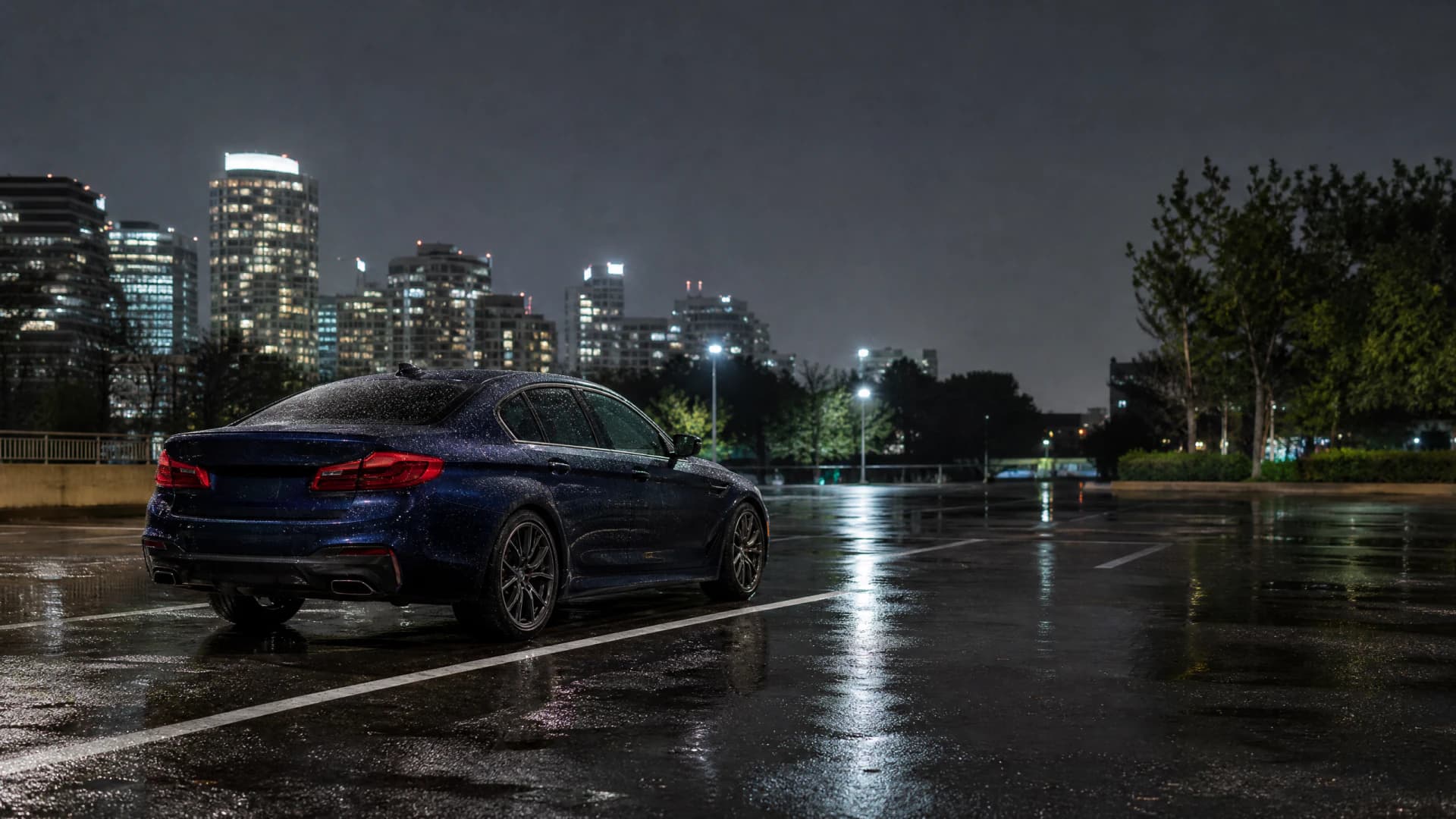
The multi-car discount requires every vehicle on the same policy. If a carrier won't combine your vehicles under their underwriting rules, the discount disappears.
Related Articles
Best Car Insurance for Multiple Vehicles SD
7/15/2026

Full Coverage Companies South Dakota
7/15/2026

Licensed Auto Insurers in South Dakota
7/15/2026

Cheapest Multi-Car Insurance — South Dakota
7/15/2026
Optional Car Insurance Worth It — South Dakota
7/15/2026
Uninsured Motorist Coverage in South Dakota
7/15/2026

What Each Carrier Requires to Write Multiple Vehicles on One Policy
Every carrier writing in South Dakota has same-policy requirements for the multi-car discount. State Farm and USAA require all vehicles garaged at the same address and titled to a named insured or resident relative. Allstate and American Family impose similar rules but allow limited exceptions for college-age drivers temporarily living away from home. Geico and Progressive permit vehicles garaged at different addresses within the same county if both addresses are listed on the policy and the primary garaging location is verified.
Non-standard carriers relax these rules. Bristol West and Dairyland write policies where vehicles are garaged at different addresses in different counties, as long as each address is disclosed and rated separately. The General writes households where one vehicle is titled to a non-resident family member, though that vehicle may not qualify for the multi-car discount depending on the titling structure. National General writes mixed-use vehicles, recreational vehicles, and older vehicles on the same policy as daily drivers, a combination many preferred carriers decline.
Failure mode: if you add a vehicle mid-term and the new vehicle doesn't meet the carrier's same-policy requirements, the carrier will either issue a separate policy for the new vehicle or decline to write it. Either outcome eliminates the multi-car discount. Verify same-policy requirements before you buy the vehicle, not after.
19 carriers
South Dakota Carrier Roster
Nineteen carriers write auto insurance in South Dakota, spanning preferred, standard, and non-standard tiers. Not all write multi-car policies, and not all accept every vehicle type.
South Dakota Division of Insurance

Uninsured Motorist Coverage and How It Affects Multi-Car Policies
South Dakota mandates uninsured motorist coverage on every auto policy. The minimum matches the state liability floor: $25,000 per person, $50,000 per accident. When you insure multiple vehicles on one policy, uninsured motorist coverage applies per accident, not per vehicle. If an uninsured driver hits one of your cars, the per-accident limit is the maximum the policy pays, regardless of how many vehicles you own.
Some carriers offer stacked uninsured motorist coverage, which multiplies the per-vehicle limit by the number of vehicles on the policy. Not all carriers writing in South Dakota offer stacking, and those that do charge a higher premium. Geico, Progressive, and State Farm offer stacked uninsured motorist in South Dakota; Bristol West and Dairyland typically do not. If stacking matters to your household, confirm availability before you quote.
Compare Carriers That Write Your Household's Structure
Quote at least three carriers in the tier that matches your household. If you own two newer vehicles garaged at the same address, quote State Farm, Geico, and Progressive. If your household includes mixed vehicle ages or a second garaging address, add Farmers and Travelers to the comparison. If a preferred or standard carrier declines your household or splits your vehicles across two policies, quote Bristol West, Dairyland, and National General.
Request quotes with identical coverage limits and deductibles across all carriers so you're comparing base rates and discount structures, not coverage differences. Verify that each quote includes uninsured motorist coverage at the level you need, and confirm that every vehicle qualifies for the multi-car discount under that carrier's same-policy rules. The lowest advertised rate means nothing if the carrier won't write your household on one policy.
How to Match Carrier Tier to Your Household Structure
Start with your vehicle count and garaging situation. If you own two or three vehicles, all garaged at your primary residence, and you want the same coverage level on each, quote preferred and standard carriers first. State Farm, USAA, Allstate, Geico, and Progressive all write multi-car policies for straightforward households and offer competitive multi-car discounts. If one vehicle is garaged at a second address or titled to a household member who doesn't live with you full-time, standard carriers like Geico and Progressive are more flexible than preferred carriers.
If your household includes a mix of vehicle types, quote non-standard carriers alongside standard. A household with a daily sedan, a work truck, and a recreational vehicle may find that Bristol West or Dairyland will write all three on one policy where a preferred carrier splits them across two policies or declines the recreational vehicle entirely. The non-standard base rate is higher, but keeping all vehicles on one policy preserves the multi-car discount and simplifies claims and renewals.
Get Your Free Quote
Get My South Dakota Car Insurance QuoteFrequently Asked Questions
Which South Dakota carriers offer the best multi-car discounts?
State Farm, Geico, and Progressive offer competitive multi-car discounts for straightforward households with two or three vehicles garaged at the same address. The discount's actual value depends on your household's base rate, not the advertised percentage. Compare quotes with identical coverage limits across at least three carriers to see which combination of base rate and discount produces the lowest total premium.
Can I insure vehicles garaged at different addresses on one South Dakota policy?
Geico and Progressive permit vehicles garaged at different addresses within the same county if both addresses are listed and rated separately. Bristol West and Dairyland write policies where vehicles are garaged in different counties. State Farm and USAA typically require all vehicles garaged at the same address for the multi-car discount to apply.
Does South Dakota require uninsured motorist coverage on multi-car policies?
Yes. South Dakota mandates uninsured motorist coverage on every auto policy at minimums matching the state liability floor: $25,000 per person, $50,000 per accident. On a multi-car policy, uninsured motorist coverage applies per accident, not per vehicle, unless you purchase stacked coverage from a carrier that offers it.
What happens if I add a vehicle mid-term and it doesn't qualify for my carrier's multi-car discount?
The carrier will either issue a separate policy for the new vehicle or decline to write it. Either outcome eliminates the multi-car discount on the existing policy. Verify the carrier's same-policy requirements before you buy the vehicle to avoid losing the discount or needing to switch carriers mid-term.
Should I choose a preferred or non-standard carrier for multiple vehicles in South Dakota?
Choose preferred or standard carriers like State Farm, Geico, or Progressive if you own two or three newer vehicles garaged at the same address with clean driving records. Choose non-standard carriers like Bristol West or Dairyland if your household includes mixed vehicle ages, a second garaging address, or vehicles a preferred carrier won't combine on one policy. The non-standard base rate is higher, but keeping all vehicles on one policy preserves the multi-car discount.