
Gap Insurance for Multiple Vehicles — South Dakota
Free to compare
When Gap Insurance Applies to Your Multi-Vehicle Household
You're adding a financed car to your South Dakota household policy and the lender mentioned gap insurance. You already carry full coverage on two other vehicles and aren't sure whether gap applies to all of them or just the newest one. The confusion is structural: gap insurance is vehicle-specific, not policy-wide, and only matters when a car's loan balance exceeds its actual cash value.
South Dakota requires $25,000 per person and $50,000 per accident in bodily injury liability, plus $25,000 in property damage and uninsured motorist coverage. Those minimums apply to every vehicle you register. Gap insurance sits outside that framework entirely. It covers the difference between what your carrier pays after a total loss and what you still owe the lender. If a vehicle is paid off or carries no loan, gap has nothing to cover.
“Gap insurance is vehicle-specific, not policy-wide, and only matters when a car's loan balance exceeds its actual cash value.”

Check Your Rate Against Other South Dakota Drivers
Get My South Dakota Car Insurance Quote$25,000 / $50,000 / $25,000
South Dakota Minimum Liability Limits
Bodily injury per person, per accident, and property damage. Every registered vehicle must meet these minimums. Gap insurance is separate and applies only to financed vehicles with negative equity.
South Dakota Department of Public Safety
Gap Insurance Covers Loan Balances, Not Vehicle Count
Gap insurance protects you when a financed vehicle is totaled and the carrier's actual-cash-value payout falls short of the outstanding loan. That gap exists because new cars depreciate faster than loan balances decline in the first two years.
The coverage is vehicle-specific. If you finance three cars on one South Dakota policy, you can add gap to the newest one with the largest loan and skip it on the other two if they're paid off or carry minimal balances. Carriers price gap per vehicle, not per policy. Adding gap to a car that's nearly paid off or bought outright wastes premium because there's no loan balance to protect.
South Dakota households with multiple vehicles often add gap reflexively to every car when only one or two need it. A paid-off 2018 sedan and a leased 2023 SUV sit on the same policy, but only the SUV carries a loan balance large enough to create a gap. The sedan needs collision and comprehensive to protect its value, but gap adds no benefit because there's no lender to pay off.
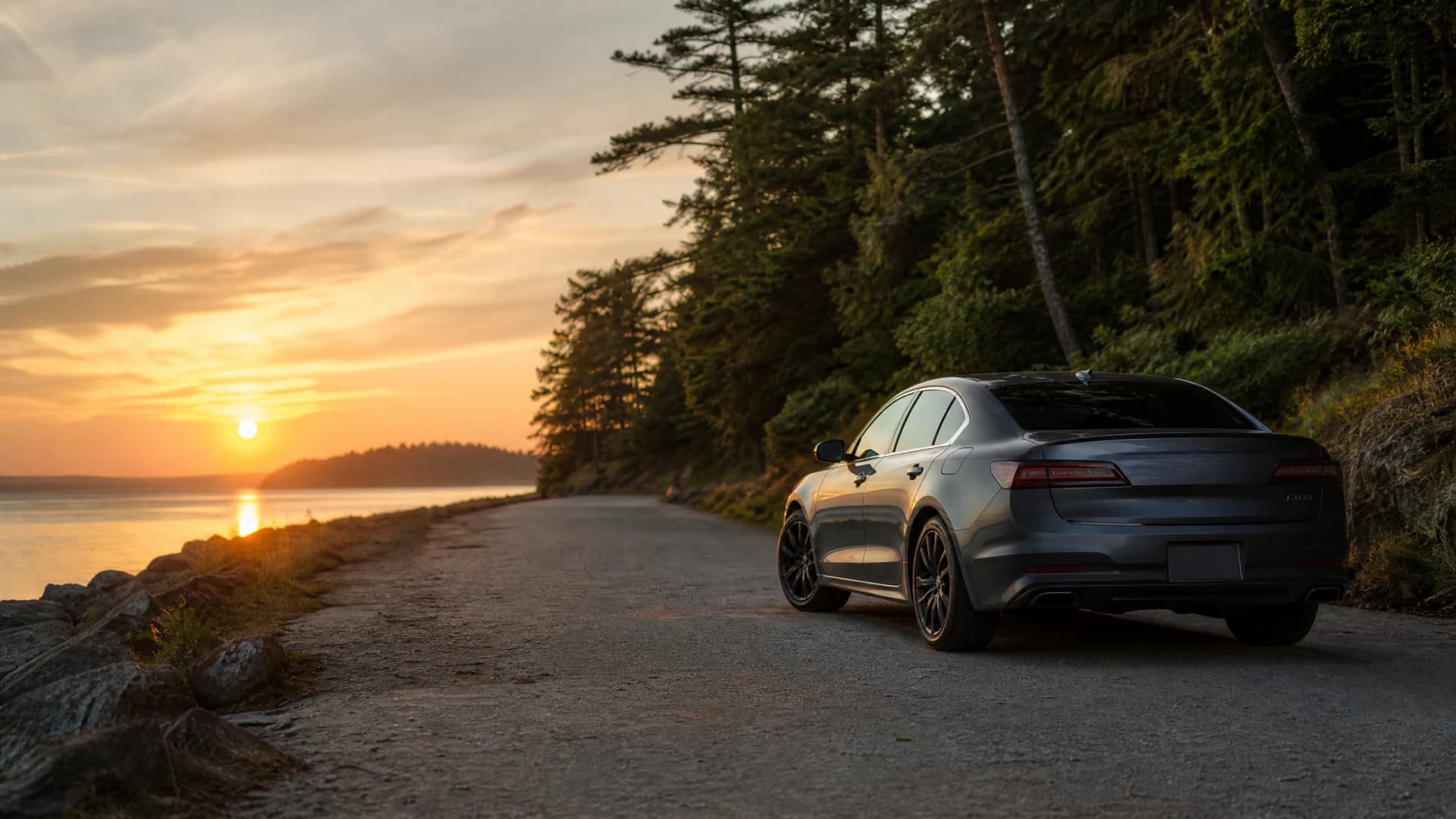
Gap insurance only matters when a vehicle's loan balance exceeds its actual cash value. A paid-off car or a car with minimal financing has no gap to cover.
Related Articles

Best Car Insurance for Multiple Vehicles SD
7/15/2026
Deductibles and Multi-Car Policies in SD
7/15/2026
Best Full Coverage for Multiple Cars SD
7/15/2026

Liability vs Full Coverage for Multiple Cars SD
7/15/2026
Optional Car Insurance Worth It — South Dakota
7/15/2026

Minimum vs Full Coverage for Multiple Cars SD
7/15/2026

Gap Insurance and Lease Vehicles on Multi-Car Policies
Leased vehicles create a different gap scenario. You don't own a leased car, but you're responsible for its value if it's totaled. Lease agreements include a gap-like provision called lease-gap or lease-payoff coverage, often built into the lease contract. Check your lease paperwork before adding gap through your South Dakota auto policy. If the lessor already includes gap, adding it through your carrier duplicates coverage and wastes premium.
If your household policy includes one leased vehicle and two financed vehicles, verify gap coverage vehicle by vehicle. The leased car may already be covered under the lease terms. The two financed cars need individual evaluation based on loan-to-value ratio. A multi-vehicle household in South Dakota might carry gap on one financed car, skip it on a second financed car with a small loan balance, and skip it entirely on the leased vehicle because the lessor already provides it.
South Dakota does not regulate gap insurance as a separate product. Carriers offer it as an endorsement to your collision and comprehensive coverage. That means gap only applies when you already carry full coverage on the vehicle. If you drop collision and comprehensive to save money on an older financed car, you also lose gap. The lender will notice and may force-place coverage at a higher cost.
19 carriers
South Dakota Multi-Vehicle Carriers
Nineteen carriers write multi-vehicle policies in South Dakota, including State Farm, Progressive, Geico, Farmers, and Allstate. All offer gap insurance as an optional per-vehicle add-on. Compare gap pricing across carriers when adding a financed vehicle to your household policy.
South Dakota Department of Labor and Regulation
When to Drop Gap Coverage on a Multi-Vehicle Policy
Drop gap coverage when the vehicle's actual cash value exceeds the loan balance. That crossover typically happens between year two and year four, depending on down payment, loan term, and depreciation rate. Check your loan payoff amount every six months and compare it to the vehicle's trade-in value. Once the loan balance falls below the vehicle's value, gap coverage no longer serves a purpose.
If you carry gap on three financed vehicles in your South Dakota household, you'll likely drop it from each vehicle at different times. The oldest car with the smallest remaining balance will cross the threshold first. The newest car with the largest loan will keep gap the longest. Carriers do not automatically remove gap when it's no longer needed. You must request removal. Dropping gap mid-term reduces your premium immediately, prorated to the remaining policy period.
Compare Gap Pricing When Adding a Financed Vehicle
Gap insurance pricing varies by carrier, vehicle value, and loan amount. When you add a financed car to your South Dakota multi-vehicle policy, request gap quotes from at least three carriers. Some carriers charge a flat annual fee. Others calculate gap as a percentage of your collision and comprehensive premium. A carrier offering a lower base rate but higher gap pricing may cost more overall than a carrier with a higher base rate and cheaper gap.
South Dakota households adding a financed vehicle to an existing policy should re-quote the entire policy, not just the new car. Adding a vehicle re-rates the policy and may shift your multi-car discount. A carrier that was competitive for two vehicles may not be competitive for three. Compare the total premium including gap coverage on the financed vehicle, not just the per-vehicle breakdown. Carriers writing multi-vehicle policies in South Dakota include State Farm, Progressive, Geico, Farmers, Allstate, American Family, Nationwide, Liberty Mutual, and USAA. All offer gap as an optional endorsement.
How to Decide Which Vehicles Need Gap Coverage
Start with the loan balance and the vehicle's current actual cash value. Lenders require collision and comprehensive on financed vehicles but cannot require gap. That decision is yours. Check your loan payoff amount online and compare it to your vehicle's trade-in value using a tool like Kelley Blue Book or NADA Guides. The difference tells you whether gap matters.
Gap coverage makes the most sense in the first two years of a loan, when depreciation outpaces principal reduction. After year three, most vehicles stabilize and the loan balance drops below actual cash value. If you're adding a brand-new financed car to a South Dakota policy that already includes two older paid-off vehicles, add gap only to the new car. The older vehicles don't need it because there's no loan to protect. Carriers writing multi-vehicle policies in South Dakota include State Farm, Progressive, Geico, Farmers, and Allstate, and all offer gap as an optional add-on priced per vehicle.
Get Your Free Quote
Get My South Dakota Car Insurance QuoteFrequently Asked Questions
Do I need gap insurance on every car in my South Dakota household?
No. Gap insurance applies only to financed vehicles where the loan balance exceeds the vehicle's actual cash value. Paid-off cars and cars with minimal financing don't need gap coverage because there's no loan balance to protect.
Does gap insurance cover all vehicles on a multi-car policy?
No. Gap insurance is added per vehicle, not per policy. You can add gap to one financed car and skip it on other vehicles that are paid off or carry small loan balances.
When should I drop gap insurance on a financed vehicle?
Drop gap coverage when the vehicle's actual cash value exceeds the loan payoff amount. This typically happens between year two and year four. Check your loan balance and vehicle value every six months to identify the crossover point.
Can I add gap insurance to a leased vehicle in South Dakota?
Check your lease agreement first. Most lease contracts include gap coverage or a lease-payoff provision. Adding gap through your auto policy may duplicate coverage and waste premium if the lessor already provides it.
How much does gap insurance cost on a multi-vehicle South Dakota policy?
Gap pricing varies by carrier, vehicle value, and loan amount. Some carriers charge a flat annual fee. Others calculate gap as a percentage of collision and comprehensive premium. Request gap quotes from multiple carriers when adding a financed vehicle to compare total cost.
Does South Dakota require gap insurance on financed vehicles?
No. South Dakota does not require gap insurance. Lenders require collision and comprehensive coverage on financed vehicles but cannot require gap. The decision to add gap is yours based on loan-to-value ratio.