
Multi-Car Coverage Requirements — South Dakota
Free to compare
Why Multi-Vehicle Households Face Coverage Gaps in South Dakota
You own three vehicles, each titled to a different household member, and you're trying to decide whether to put them all on one policy or keep them separate. South Dakota law requires every auto insurance policy to carry at least $25,000 bodily injury per person, $50,000 bodily injury per accident, $25,000 property damage, and uninsured-motorist coverage. Those minimums apply to the policy itself, not to each vehicle on it.
When you split vehicles across multiple policies, each policy must meet the state minimums independently. That sounds simple until you realize that a claim involving multiple household vehicles can exceed the per-policy limits if those vehicles sit on separate policies. The structural question is not just cost — it's whether your household's total coverage matches your household's total exposure.
“Separate policies mean separate limit pools — a claim involving one vehicle cannot access the limits on another vehicle's policy.”
Check Your Rate Against Other South Dakota Drivers
Get My South Dakota Car Insurance Quote$25,000/$50,000/$25,000
South Dakota Minimum Liability
Every auto insurance policy issued in South Dakota must carry at least $25,000 bodily injury per person, $50,000 bodily injury per accident, and $25,000 property damage. Uninsured-motorist coverage is also mandatory.
South Dakota state insurance requirements
One Policy Versus Multiple Policies: How Coverage Stacks
When all household vehicles sit on a single policy, the liability limits and uninsured-motorist coverage apply to any claim involving any vehicle on that policy.
When household vehicles sit on separate policies, each policy's limits apply only to claims involving that specific vehicle.
South Dakota does not prohibit splitting vehicles across policies. The structural reality is that separate policies create separate limit pools, and a claim cannot draw from a policy that does not cover the vehicle involved. Households that split vehicles to accommodate different drivers or different garaging addresses often discover this gap only after a claim.
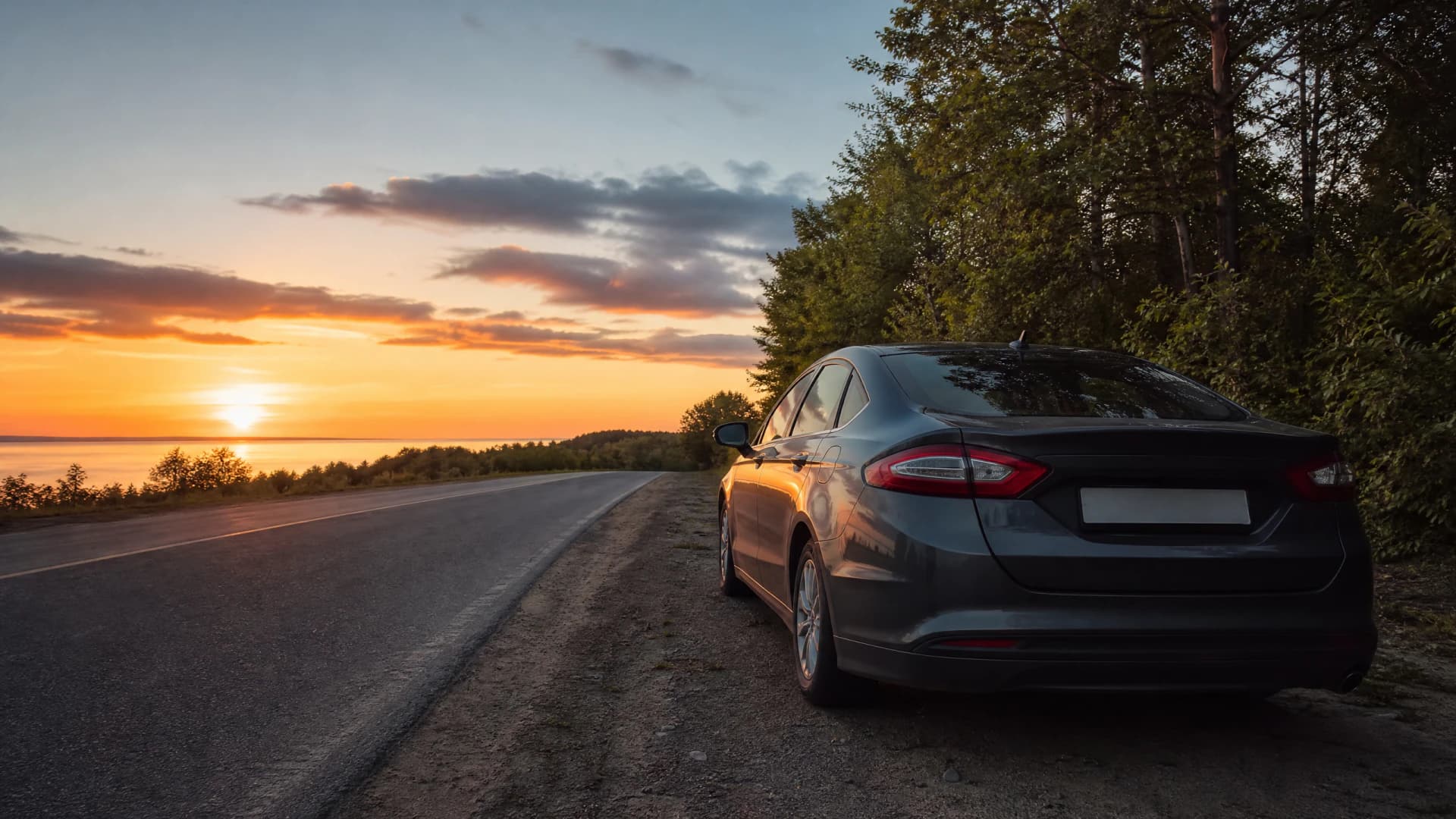
Separate policies mean separate limit pools — a claim involving one vehicle cannot access the limits on another vehicle's policy, even within the same household.
Related Articles




State-Specific Coverage Requirements Across Multiple Vehicles
South Dakota requires uninsured-motorist coverage on every auto insurance policy. That mandate applies whether you insure one vehicle or five. When all vehicles sit on one policy, a single uninsured-motorist limit covers every car. When vehicles sit on separate policies, each policy must carry its own uninsured-motorist coverage, and the limits do not stack.
South Dakota does not require personal injury protection, but carriers licensed in the state must offer it. If you decline PIP on one vehicle's policy, that declination does not carry over to another vehicle's policy — each policy is a separate contract. Households that split vehicles across policies sometimes accept PIP on one policy and decline it on another without realizing the coverage gap that creates for passengers who move between household vehicles.
The state does not mandate collision or comprehensive coverage, but lienholders do. If you finance or lease any vehicle in your household, the lienholder requires collision and comprehensive on that specific vehicle. When multiple financed vehicles sit on one policy, you can structure deductibles consistently across all of them. When financed vehicles sit on separate policies, deductible choices are independent, and households often end up with mismatched coverage that complicates claims.
9.4%
South Dakota Uninsured Motorist Rate
Nearly one in ten South Dakota drivers operates without insurance. The state's mandatory uninsured-motorist coverage requirement protects you when an at-fault driver cannot pay, but only up to the limits on your own policy.
South Dakota insurance statistics, 2023

When Splitting Policies Makes Structural Sense
Separate policies are sometimes the only option. A household member who garages a vehicle at a different address — a college student with a car at school, a work vehicle parked at a job site — may not qualify for the same-policy multi-car discount because carriers require all vehicles to garage at the same location. In that case, the structural choice is between a separate policy or no coverage.
A newly married couple merging two existing policies faces a similar decision. Each spouse arrives with a policy, and combining them into one multi-vehicle policy requires re-rating both vehicles under a single set of household drivers and garaging address. If one spouse has a significantly different driving record or lives in a higher-rate ZIP code, the combined premium can exceed the sum of the separate policies. The multi-car discount does not always offset the rate increase from pooling risk.
Compare Carriers That Write Multi-Vehicle Policies in South Dakota
Nineteen carriers write auto insurance in South Dakota, and most offer multi-car discounts. State Farm, Geico, Progressive, Allstate, Farmers, American Family, Nationwide, USAA, and Travelers all write multi-vehicle policies in the state. Bristol West, Dairyland, National General, and The General write non-standard auto insurance and also offer multi-car discounts, though their underwriting rules for adding vehicles differ from standard carriers.
Carriers differ on whether they allow you to add a vehicle titled to a household member who is not a named insured, whether they require all drivers in the household to be listed, and whether they re-rate the entire policy or only the new vehicle when you add a car mid-term. Those differences are not published on carrier websites — you discover them when you request a quote. Comparing carriers means comparing not just the premium but the policy structure that produces it.
How the Multi-Car Discount Works in South Dakota
To qualify for the multi-car discount, every vehicle must appear on the same policy. Vehicles titled to different household members can usually share a policy if they garage at the same address, but carriers differ on whether they require all titled owners to be named insureds or listed drivers. State Farm, Geico, Progressive, Farmers, and Allstate all write multi-vehicle policies in South Dakota and offer multi-car discounts, but the exact discount structure and same-household requirements vary by carrier.
Adding a vehicle mid-term re-rates the entire policy rather than simply adding a flat amount. That means the multi-car discount recalculates when the new vehicle joins, and the per-vehicle premium for every car on the policy can shift. Removing a vehicle works the same way — the discount recalculates and the remaining vehicles' premiums adjust. The multi-car discount is not a fixed percentage applied once; it is a pricing structure that treats the policy as a single unit.
Get Your Free Quote
Get My South Dakota Car Insurance QuoteFrequently Asked Questions
Can I insure multiple cars on one policy in South Dakota if they are titled to different people?
Yes, most carriers allow multiple vehicles titled to different household members on one policy if all vehicles garage at the same address. The titled owners typically must be named insureds or listed drivers. Carrier rules vary — State Farm, Geico, and Progressive all permit this structure, but underwriting requirements differ.
Does South Dakota require the same coverage on every vehicle I own?
No. South Dakota requires every policy to meet the state minimums, but you can structure coverage differently across vehicles on the same policy. You might carry collision and comprehensive on a financed vehicle and liability-only on an older paid-off car, as long as the policy meets $25,000/$50,000/$25,000 liability and uninsured-motorist requirements.
What happens to the multi-car discount if I remove a vehicle from my policy?
Removing a vehicle re-rates the entire policy. The multi-car discount recalculates based on the remaining vehicles, and the per-vehicle premium for each car on the policy adjusts. The discount does not disappear unless you drop down to one vehicle, but the savings decrease.
Do I need uninsured motorist coverage on every vehicle in South Dakota?
You need uninsured-motorist coverage on every policy, not every vehicle. If all your vehicles sit on one policy, a single uninsured-motorist limit covers all of them. If you split vehicles across multiple policies, each policy must carry its own uninsured-motorist coverage.
Can I add a vehicle to my policy mid-term without re-rating the other cars?
No. Adding a vehicle mid-term re-rates the entire policy. The multi-car discount recalculates, and the premium for every vehicle on the policy can shift. Carriers treat the policy as a single pricing unit, not as separate per-vehicle contracts.
Which South Dakota carriers offer the best multi-car discounts?
State Farm, Geico, Progressive, Allstate, and American Family all write multi-vehicle policies in South Dakota and offer multi-car discounts. Discount structures vary by carrier and are not published — you discover the actual savings only when you request a quote for your specific household and vehicles.