
Minimum Liability Limits — South Dakota
Free to compare
What You're Actually Required to Carry
South Dakota law requires every registered vehicle to carry liability insurance with minimum limits of $25,000 per person for bodily injury, $50,000 per accident for bodily injury, and $25,000 per accident for property damage. The state also mandates uninsured motorist coverage at the same minimums. When you insure two, three, or four vehicles on one policy, those limits apply to the entire policy—not to each car individually.
That structure creates a gap most multi-car households don't anticipate until they're comparing quotes or reviewing their declarations page. The $50,000 per-accident bodily injury limit covers all injuries you cause in a single crash, regardless of how many of your household's vehicles were involved or which one you were driving.
“The $50,000 limit covers all injuries in one crash—shared across every vehicle on your policy, not separately per car.”

Check Your Rate Against Other South Dakota Drivers
Get My South Dakota Car Insurance Quote$25,000 / $50,000 / $25,000
South Dakota Minimum Liability
Bodily injury per person, bodily injury per accident, and property damage per accident. These limits apply to the policy as a whole, covering all vehicles listed, not separately to each car.
South Dakota state minimum liability requirements
How the Limits Work Across Multiple Vehicles
The per-accident cap is the binding constraint. When you add a second or third vehicle to your policy, the $50,000 bodily injury limit and $25,000 property damage limit don't increase. You're not buying $50,000 of coverage per car—you're buying $50,000 of coverage per accident, shared across every vehicle on the policy.
This matters most when the at-fault crash involves multiple injured parties or significant property damage. A two-car collision with injuries to the other driver and a passenger quickly exhausts a $50,000 limit. The $25,000 property damage cap covers the other party's vehicle, but if you total a newer SUV or damage multiple vehicles, that limit disappears fast. Your household's other insured vehicles don't carry separate reserves—the policy limit is the policy limit.
South Dakota's mandatory uninsured motorist coverage follows the same structure: $25,000 per person, $50,000 per accident, $25,000 property damage. That coverage protects you when an uninsured driver hits one of your household's vehicles, but the per-accident cap still applies. If an uninsured driver injures two members of your household in one crash, the $50,000 limit is shared between them.
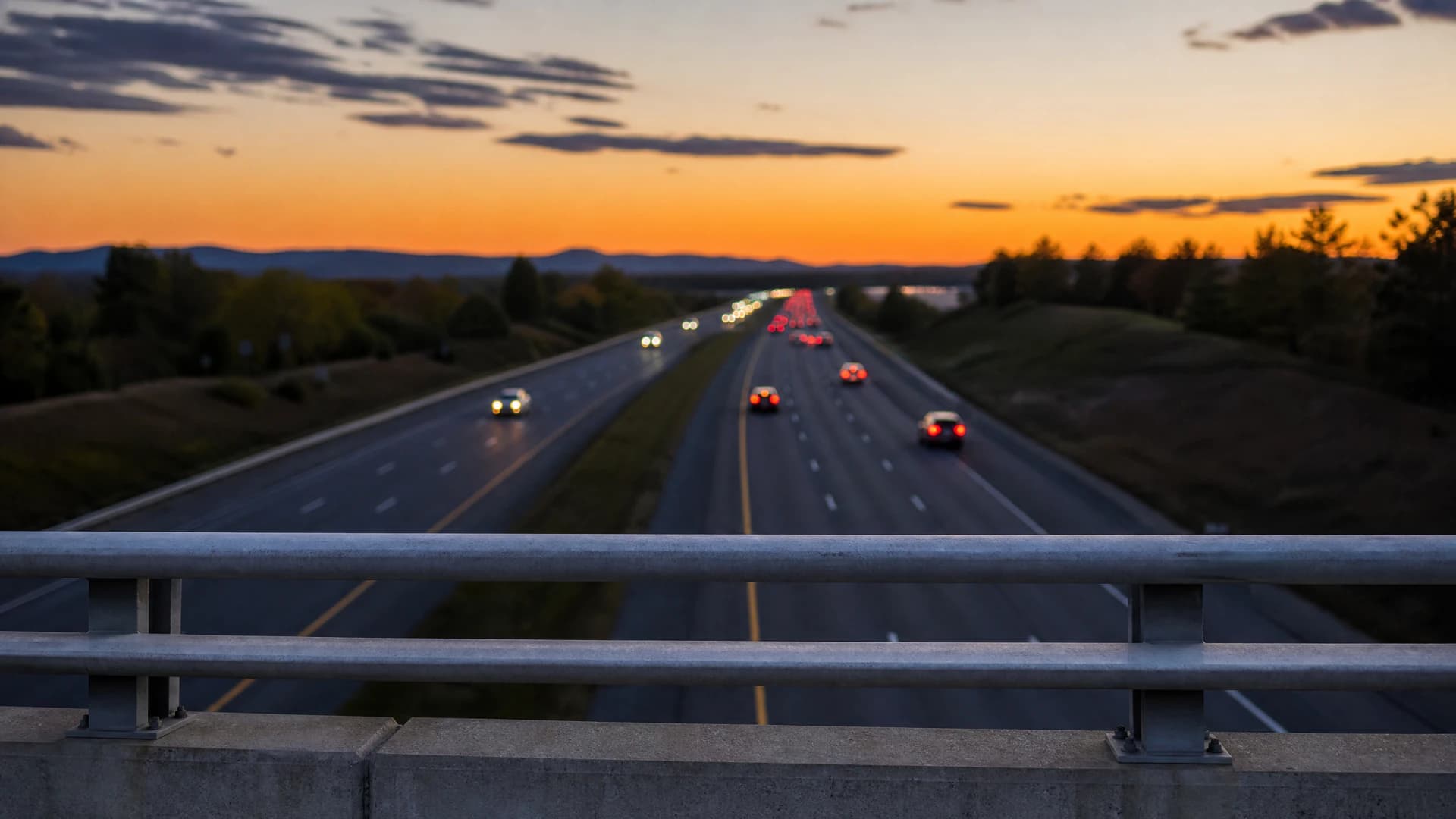
The $50,000 per-accident bodily injury limit covers all injuries in one crash, no matter how many of your vehicles are on the policy or which one you were driving.
Related Articles

When the Minimum Becomes a Liability
A household insuring multiple vehicles typically has higher total exposure than a single-car household. More drivers, more trips, more opportunities for an at-fault accident. The $50,000 bodily injury cap that might suffice for a household with one car and one driver becomes inadequate when you're covering a spouse, a teen driver, and three or four vehicles.
South Dakota does not cap non-economic damages in personal injury cases. If you cause a crash that results in serious injuries—broken bones, surgery, long-term disability—the other party's medical bills alone can exceed $50,000. Add lost wages, pain and suffering, and legal fees, and a single at-fault accident can produce a six-figure judgment. Your liability policy pays the first $50,000; you're personally liable for the rest, and that liability follows you regardless of which household vehicle you were driving.
The property damage minimum of $25,000 has not kept pace with vehicle values. The average transaction price for a new vehicle in the U.S. If you total a newer truck or SUV, $25,000 won't cover the loss. If the at-fault crash involves multiple vehicles—a chain reaction on I-90 or I-29—the $25,000 limit can be exhausted by the first vehicle, leaving you personally liable for damage to the others.
9.4%
South Dakota Uninsured Motorist Rate
Nearly one in ten drivers on South Dakota roads carries no insurance. Your mandatory uninsured motorist coverage is the only protection when one of them hits your household's vehicles, but it's capped at the same $50,000 per accident as your liability.
South Dakota state insurance statistics, 2023
Structuring Coverage Above the Minimum
That structure provides meaningful protection when the at-fault crash involves multiple injured parties or high-value vehicles, and it's the threshold most carriers recommend for households insuring more than one vehicle.
Uninsured motorist coverage can be increased independently of your liability limits. Given South Dakota's 9.4% uninsured rate, raising UM to 100/300/100 ensures that an uninsured driver's lack of coverage doesn't leave your household underinsured when one of your vehicles is hit. Some carriers allow you to stack UM coverage across multiple vehicles on the policy, effectively multiplying the per-accident cap; others do not. Ask specifically whether UM stacking is available and whether it applies automatically or requires an endorsement.
Compare Carriers Writing Your Household
Twenty carriers write auto insurance in South Dakota, and their appetite for multi-vehicle policies varies. South Dakota car insurance requirements provides the full carrier roster with tier, quoting method, and coverage attributes for each. Some carriers offer explicit multi-car discounts; others price the policy as a whole without itemizing the discount. Base rates vary enough that a smaller discount on a lower base rate often beats a larger discount on a higher one.
When you're structuring coverage for two or more vehicles, request quotes at both the state minimum and at 100/300/100 limits from at least three carriers. The incremental difference is often smaller than households expect, and the per-accident cap increase is the single most important coverage decision you'll make. The state minimum meets South Dakota's legal requirement, but it does not meet the exposure a multi-car household actually faces.
What the State Minimum Doesn't Cover
The state minimum includes no collision or comprehensive coverage. If you're financing or leasing any of your household's vehicles, the lender will require both. Even if all vehicles are owned outright, collision and comprehensive are the only coverages that pay to repair or replace your own cars after an accident, theft, weather damage, or vandalism. Liability covers the other party's vehicle—not yours.
Personal injury protection is not required in South Dakota, and the state minimum does not include medical payments coverage. If you or a household member is injured while driving one of your vehicles, your health insurance is the primary payer unless you've added optional medical payments or PIP to the auto policy. The mandatory uninsured motorist coverage provides some protection when an uninsured driver injures you, but it's subject to the same $25,000-per-person, $50,000-per-accident caps as your liability coverage.
Get Your Free Quote
Get My South Dakota Car Insurance QuoteFrequently Asked Questions
Does South Dakota require insurance on every vehicle I own?
Yes. Every registered vehicle in South Dakota must carry liability insurance meeting the state's 25/50/25 minimums and uninsured motorist coverage at the same limits. You can insure all household vehicles on one policy or separate policies, but each registered vehicle must be covered.
If I have three cars on one policy, do I get three times the liability coverage?
No. The liability limits apply per accident, not per vehicle. A policy with $50,000 per-accident bodily injury covers all injuries in one crash up to $50,000 total, regardless of how many vehicles are listed on the policy or which one you were driving.
Can I insure one vehicle at the state minimum and another at higher limits?
Not on the same policy. When multiple vehicles are on one policy, the liability limits apply to the policy as a whole. If you want different limits for different vehicles, you must place them on separate policies, which typically costs more than insuring all vehicles together.
What happens if I cause an accident and the damages exceed my $50,000 limit?
You are personally liable for the difference. The injured party can pursue a judgment against your personal assets—wages, bank accounts, home equity—to collect the balance.
Does South Dakota require collision or comprehensive coverage?
No. South Dakota requires only liability and uninsured motorist coverage. Collision and comprehensive are optional unless your lender requires them. If you're financing or leasing any household vehicle, the lender will mandate both coverages as a condition of the loan.
How much does it cost to increase liability limits above the state minimum?
The incremental difference varies by carrier, driving history, and location, but increasing from 25/50/25 to 100/300/100 typically adds less than households expect. Request quotes at both limits from multiple carriers to compare the actual difference for your household's vehicles.