
Switching Car Insurance Companies When Moving — South Dakota
Free to compare
The Multi-Vehicle Switch Decision
You moved to South Dakota with two or more vehicles. Your out-of-state policy expires in 30 days. You need to switch carriers, register the vehicles in South Dakota, and meet the state's coverage requirements before your grace period runs out. The question blocking you: do you put every vehicle on one new South Dakota policy, or keep them on separate policies?
The answer depends on South Dakota's mandatory coverage structure and how your household's vehicles are titled and garaged. South Dakota requires liability minimums of $25,000 per person, $50,000 per accident for bodily injury, and $25,000 for property damage. The state also mandates uninsured motorist coverage. Most carriers writing multi-vehicle policies in South Dakota offer a multi-car discount, but only when every vehicle sits on the same policy and shares a garaging address. If your vehicles are titled to different household members or garaged at separate addresses, the discount may not apply.
“The multi-car discount requires every vehicle on the same policy and often the same garaging address.”
Check Your Rate Against Other South Dakota Drivers
Get My South Dakota Car Insurance Quote$25,000/$50,000/$25,000
South Dakota Liability Minimums
South Dakota requires $25,000 bodily injury per person, $50,000 per accident, and $25,000 property damage. Uninsured motorist coverage is also mandatory. These are the minimums every vehicle on your new policy must carry.
South Dakota state minimum liability requirements
What South Dakota Requires for Every Vehicle
South Dakota law requires every registered vehicle to carry liability insurance meeting the state minimums and uninsured motorist coverage. When you register your vehicles at the county treasurer's office, you must present proof of insurance. The proof must show coverage effective on or before the registration date. If you switch carriers after registering, you must notify the South Dakota Department of Public Safety within 30 days.
The state does not require personal injury protection. Collision and comprehensive coverage are optional unless your lender requires them. If you own your vehicles outright and want to drop physical damage coverage, you can carry liability and uninsured motorist only. Most households with multiple vehicles choose full coverage on newer cars and liability-only on older ones.
South Dakota operates on a fault-based system. The at-fault driver's liability coverage pays for the other party's damages. If the at-fault driver is uninsured, your uninsured motorist coverage steps in. This is why the state mandates it. With 9.4% of South Dakota motorists uninsured, the mandate protects you when the other driver has no coverage.
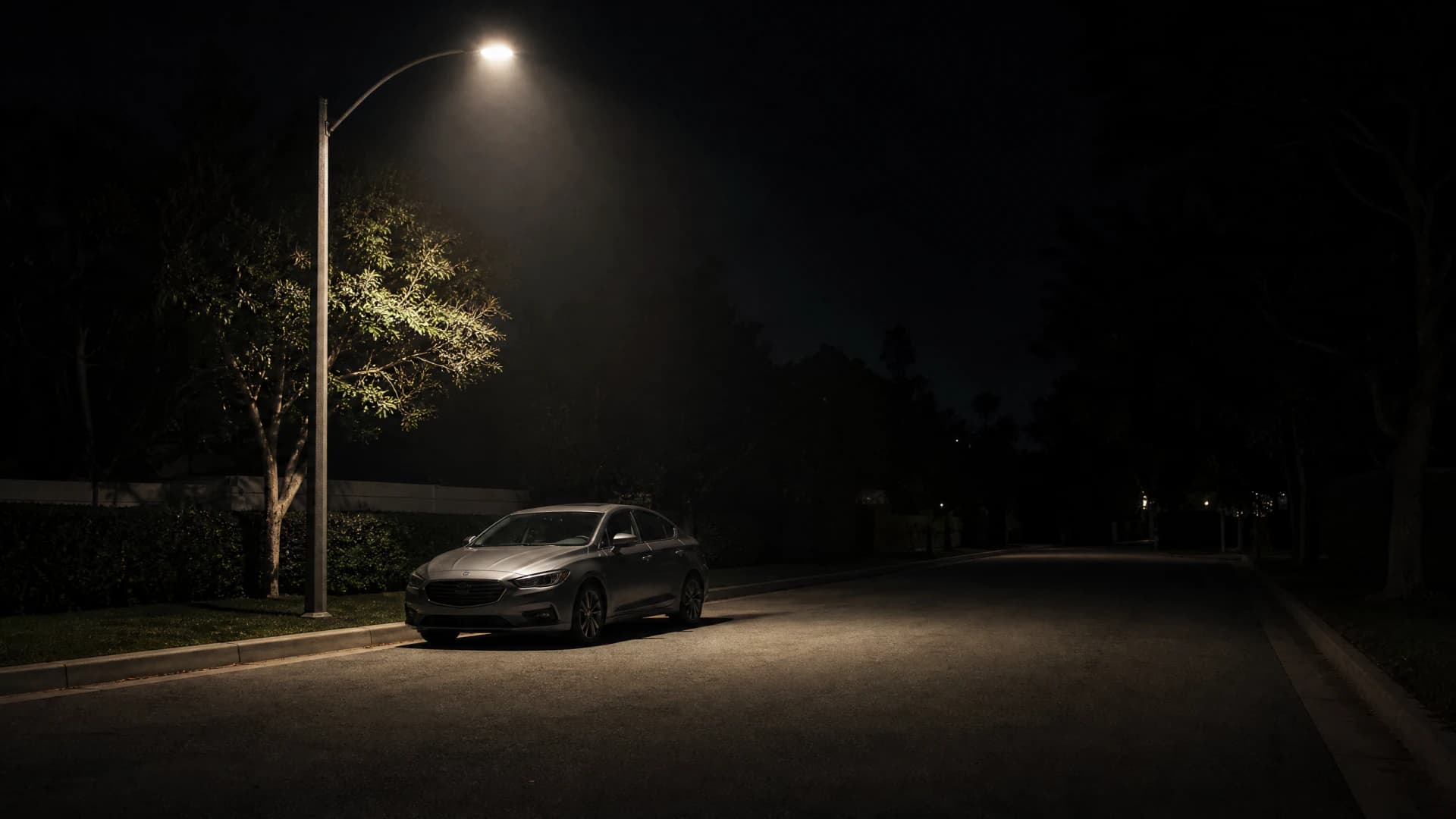
The multi-car discount requires every vehicle on the same policy. Vehicles titled to different household members or garaged at separate addresses often do not qualify.
Related Articles
Timing the Switch to Avoid a Coverage Gap
South Dakota gives you a grace period to register your vehicles after moving, typically 30 to 90 days depending on whether you establish residency. Your out-of-state policy may cover you during this period, but many out-of-state policies terminate when you establish residency in a new state. Read your current policy's residency clause. If it terminates on the date you establish South Dakota residency, you need a new South Dakota policy effective that same day.
Bind your new South Dakota policy before your out-of-state policy terminates. Do not wait until the termination date to start shopping. Carriers need time to underwrite multi-vehicle policies, especially if you are adding a household member's vehicle or switching from separate policies to one combined policy. Request quotes at least two weeks before your current policy expires. Bind coverage at least three business days before the termination date so the carrier has time to issue proof of insurance.
When you bind the new policy, ask the carrier to send proof of insurance immediately. You need the proof to register your vehicles. South Dakota county treasurers require proof of insurance showing coverage effective on or before the registration date. If you register before your new policy's effective date, the treasurer will reject the registration. Sequence it: bind coverage first, receive proof, then register.
19 carriers
Carriers Writing in South Dakota
Nineteen carriers write auto insurance in South Dakota, including Allstate, American Family, Farmers, Geico, Progressive, State Farm, and USAA. Not all carriers offer the same multi-car discount structure, so compare how each handles multiple vehicles on one policy.
South Dakota carrier roster
When Separate Policies Cost Less Than One Combined Policy
The multi-car discount does not always produce the lowest combined premium. If one vehicle has a high-risk driver or a recent violation, placing that vehicle on a separate policy may cost less than combining it with your other vehicles. Carriers rate the entire policy based on the highest-risk driver. Adding a high-risk driver to a multi-vehicle policy can increase the premium on every vehicle, even if the other drivers have clean records.
Run quotes both ways: one policy covering all vehicles, and separate policies for each vehicle. Compare the combined premium for separate policies against the premium for one multi-vehicle policy. If the combined premium for separate policies is lower, the multi-car discount is not worth it. This happens most often when one household member has a DUI, multiple at-fault accidents, or a suspended license in the past three years.
Switching Carriers When You Still Owe on a Vehicle
If you financed any of your vehicles, your lender requires collision and comprehensive coverage. The lender is listed as the lienholder on your current policy. When you switch carriers, the new carrier must list the same lienholder and send proof of coverage to the lender. If the lender does not receive proof within 30 days, the lender can force-place coverage at a much higher cost and bill you for it.
Tell your new carrier the lienholder's name and address for each financed vehicle. The carrier will list the lienholder on the declarations page and mail proof of coverage directly to the lender. Confirm with the carrier that they will notify the lienholder before you cancel your old policy. Do not cancel your old policy until the new carrier confirms the lienholder received proof. A gap in lienholder notification triggers force-placed coverage even if you have continuous coverage through the new carrier.
Compare full coverage quotes from carriers writing in South Dakota. Full coverage includes liability, collision, comprehensive, and uninsured motorist. If you own your vehicles outright, you can drop collision and comprehensive and carry liability insurance and uninsured motorist only. The choice depends on each vehicle's value and your ability to replace it out of pocket if it is totaled.
How to Structure Your New South Dakota Policy
Start by listing every vehicle you moved to South Dakota. Note the titled owner for each vehicle and the garaging address. If every vehicle is titled to the same person or to members of the same household, and all vehicles are garaged at the same address, you can place them on one policy. If a vehicle is titled to someone outside your household or garaged at a different address, that vehicle may need its own policy.
Contact carriers writing multi-vehicle policies in South Dakota. Nineteen carriers write in South Dakota, including Allstate, American Family, Farmers, Geico, Progressive, State Farm, and USAA. Ask each carrier whether their multi-car discount applies when vehicles are titled to different household members or garaged at separate addresses. Some carriers require shared garaging; others allow different garaging addresses as long as the titled owners live in the same household. Get the answer in writing before you bind coverage.
Get Your Free Quote
Get My South Dakota Car Insurance QuoteFrequently Asked Questions
Do I need to cancel my old policy before switching to a South Dakota carrier?
Bind your new South Dakota policy first, then cancel your old policy effective the same day the new policy starts. Do not cancel your old policy before the new one is active.
Can I keep my out-of-state insurance after moving to South Dakota?
Most out-of-state policies terminate when you establish residency in South Dakota. Read your current policy's residency clause. If it allows coverage after a move, you can keep it temporarily, but South Dakota requires proof of insurance meeting state minimums when you register your vehicles. Your out-of-state policy must meet South Dakota's $25,000/$50,000/$25,000 liability minimums and include uninsured motorist coverage.
How long do I have to register my vehicles after moving to South Dakota?
South Dakota gives new residents 30 to 90 days to register vehicles, depending on when you establish residency. You must present proof of insurance meeting South Dakota's requirements when you register. If you register after the grace period expires, you may face late registration penalties.
Does South Dakota require uninsured motorist coverage on every vehicle?
Yes. South Dakota mandates uninsured motorist coverage on every registered vehicle. The coverage protects you when an at-fault driver has no insurance. With 9.4% of South Dakota motorists uninsured, the mandate is a structural protection against uncollectible claims.
Will my premium increase if I add a high-risk driver to my multi-vehicle policy?
Yes. Carriers rate the entire policy based on the highest-risk driver. Adding a driver with a DUI, multiple at-fault accidents, or a suspended license will increase the premium on every vehicle on the policy. Compare quotes for one combined policy against separate policies for each driver to see which costs less.
Can I insure vehicles garaged at different addresses on one policy?
It depends on the carrier. Some South Dakota carriers allow different garaging addresses as long as the titled owners live in the same household. Others require every vehicle to be garaged at the same address to qualify for the multi-car discount. Ask each carrier before you bind coverage.