
Verifying Car Insurance Licensure — South Dakota
Free to compare
Why Licensure Verification Matters Before You Buy
You are comparing quotes from three carriers for your household's two vehicles, and one quote is significantly lower than the others. Before you commit, you need to confirm that carrier is actually licensed to write auto insurance in South Dakota. An unlicensed carrier cannot legally issue a policy, and a policy from an unlicensed insurer is worthless if you file a claim or get pulled over.
South Dakota requires every auto insurer operating in the state to hold a certificate of authority from the Department of Labor and Regulation, Division of Insurance. That certificate confirms the carrier meets the state's financial solvency standards, maintains required reserves, and can legally issue policies to South Dakota residents. The state publishes a searchable database of licensed carriers, but the search interface requires specific information most drivers do not have when they start.
“A policy from an unlicensed carrier is treated as no insurance at all under South Dakota law.”

Check Your Rate Against Other South Dakota Drivers
Get My South Dakota Car Insurance Quote19 carriers
Licensed Auto Insurers in SD
South Dakota's auto insurance market includes 19 carriers confirmed licensed to write standard, non-standard, SR-22, and non-owner policies as of the most recent state roster. The actual count of entities holding certificates of authority is higher because some carriers operate through multiple legal entities.
SD Division of Insurance carrier roster, 2025
The Legal Entity Name Problem
The South Dakota Division of Insurance database lists carriers by their legal entity names, not the marketing names you see in advertisements or on quote comparison sites. Progressive advertises as Progressive, but the legal entity licensed in South Dakota is Progressive Casualty Insurance Company or one of several related entities. Geico markets as Geico, but the licensed entity is Government Employees Insurance Company. If you search the database for the marketing name, you may get zero results even though the carrier is fully licensed.
This mismatch creates a procedural blocker: you cannot verify licensure without knowing the carrier's exact legal name or its NAIC company code. The NAIC code is a five-digit identifier assigned to every insurance company in the United States. Most drivers do not know the NAIC code for the carrier they are researching, and the marketing materials rarely include it.
The state database does allow partial-name searches, but the results list can include dozens of entities with similar names. Without additional context, you cannot tell which entity is the one writing your policy.
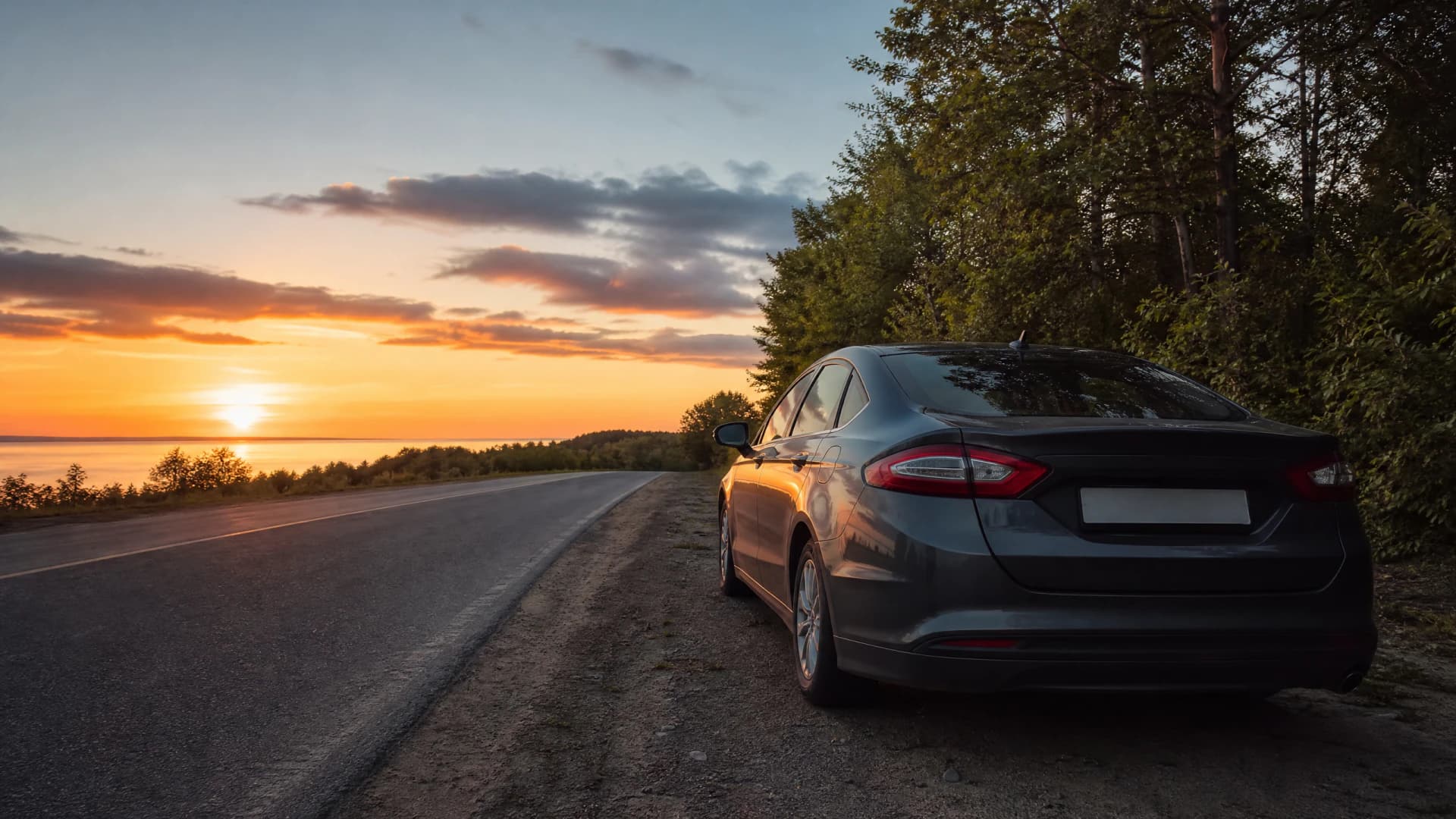
The South Dakota insurer database will not return results for marketing names like Progressive or Geico. You need the legal entity name or NAIC code to confirm licensure.
Related Articles

Using the South Dakota Division of Insurance Database
Navigate to the South Dakota Division of Insurance website at dlr.sd.gov/insurance and locate the Company Search or Producer Search tool. The interface allows searches by company name, NAIC code, or license number. Enter the legal entity name or NAIC code you identified in the previous step. If the carrier is licensed, the search will return a result showing the entity name, NAIC code, certificate of authority status, and the lines of business the carrier is authorized to write.
Verify that the result shows Property and Casualty or Auto as an authorized line of business. A carrier licensed only for Life or Health insurance cannot write your auto policy. Check the certificate status field: it should show Active or In Good Standing. If the status shows Suspended, Revoked, or Inactive, the carrier cannot legally issue new policies in South Dakota.
If you are comparing quotes from a carrier you have never heard of, check the entity's AM Best rating in addition to its licensure status. AM Best rates insurers on financial strength and claims-paying ability. A carrier with an A- or higher rating has strong financial reserves and a low risk of insolvency. Ratings below B+ signal elevated financial risk. The South Dakota database does not include AM Best ratings, but you can search for the carrier's rating at ambest.com or request it from the carrier directly.
$25,000 / $50,000 / $25,000
SD Minimum Liability Limits
South Dakota requires every auto policy to carry at least $25,000 bodily injury per person, $50,000 bodily injury per accident, and $25,000 property damage. A licensed carrier must issue policies that meet or exceed these minimums. An unlicensed carrier may offer lower limits or no coverage at all.
SDCL 32-35-113
What to Do If the Carrier Is Not Licensed
If your search returns no results, or if the certificate status shows anything other than Active, do not buy the policy. An unlicensed carrier cannot legally issue auto insurance in South Dakota, and a policy from an unlicensed insurer will not satisfy the state's proof-of-insurance requirement. If you are pulled over or involved in an accident, law enforcement and the other driver's insurer will verify your policy against the state's licensed-carrier roster. A policy from an unlicensed carrier is treated as no insurance at all.
Contact the South Dakota Division of Insurance at 605-773-3563 to report the unlicensed carrier and confirm your search results. The Division can verify whether the carrier holds a certificate of authority under a different legal name or NAIC code. If the carrier is genuinely unlicensed, the Division will investigate and may issue a cease-and-desist order.
Compare Licensed Carriers for Your Household
Once you have confirmed a carrier is licensed, compare its quote against quotes from other licensed carriers writing policies in South Dakota. The state roster includes 19 carriers offering coverage to households insuring multiple vehicles, and rates vary significantly by carrier, vehicle, and driver profile. A licensed carrier with a higher quote may offer better claims service, broader coverage options, or a multi-car discount that lowers your total premium below the initially cheaper option.
Request quotes from at least three licensed carriers and compare coverage limits, deductibles, and discount eligibility across all vehicles on your policy. Verify that each quote meets South Dakota's minimum liability requirements and includes uninsured motorist coverage, which the state mandates. A licensed carrier will automatically include these coverages; an unlicensed one may not. Compare the total annual premium for all vehicles on one policy rather than the per-vehicle rate, because the multi-car discount applies to the policy total and can shift which carrier offers the best value for your household.
How to Find the Legal Entity Name
Check the carrier's own website footer or legal disclosures page. Most carriers list their licensed legal entities by state in a section titled Underwriting Companies, Certificates of Authority, or State Licenses. This page will show the exact legal name licensed in South Dakota and often includes the NAIC code. For example, Allstate's disclosures page lists Allstate Insurance Company (NAIC 19232) as the entity writing policies in South Dakota. If the carrier does not publish this information on its website, call the carrier's customer service line and ask for the legal entity name and NAIC code for South Dakota policies.
Alternatively, search the NAIC's Company Search tool at naic.org. Enter the marketing name in the search field, select the matching company from the results, and review the company profile. The profile will show the NAIC code, the legal entity name, and the states where the company holds a certificate of authority. This tool is free and does not require an account. Once you have the NAIC code or legal entity name, you can verify licensure in South Dakota's database.
Get Your Free Quote
Get My South Dakota Car Insurance QuoteFrequently Asked Questions
How do I verify a car insurance company is licensed in South Dakota?
Search the South Dakota Division of Insurance database at dlr.sd.gov/insurance using the carrier's legal entity name or NAIC code. The database will show the certificate of authority status and authorized lines of business. If the status shows Active and the carrier is authorized for Property and Casualty or Auto, the carrier is licensed to write policies in South Dakota.
What is the difference between a carrier's marketing name and legal entity name?
The marketing name is the brand you see in advertisements, such as Progressive or Geico. The legal entity name is the corporate name licensed by the state, such as Progressive Casualty Insurance Company or Government Employees Insurance Company. South Dakota's database lists carriers by legal entity name, not marketing name, so you need the legal name or NAIC code to verify licensure.
Can I buy auto insurance from an out-of-state carrier?
You can buy a policy from a carrier headquartered in another state, but that carrier must hold a certificate of authority in South Dakota to legally write policies for South Dakota residents. The carrier's home state does not matter; what matters is whether South Dakota has licensed the carrier to operate here. Verify licensure in the South Dakota Division of Insurance database before you buy.
What happens if I buy a policy from an unlicensed carrier?
A policy from an unlicensed carrier does not satisfy South Dakota's proof-of-insurance requirement. If you are pulled over or involved in an accident, the policy will be treated as invalid, and you will face penalties for driving uninsured. You will also be personally liable for damages in an accident.
How do I find a carrier's NAIC code?
Check the carrier's website footer or legal disclosures page for a section titled Underwriting Companies or State Licenses. The NAIC code is usually listed alongside the legal entity name. Alternatively, search the NAIC Company Search tool at naic.org by entering the carrier's marketing name. The company profile will display the NAIC code and legal entity name.
Does South Dakota require uninsured motorist coverage?
Yes. South Dakota requires every auto policy to include uninsured motorist coverage at the same limits as your liability coverage. A licensed carrier will automatically include this coverage in your quote. An unlicensed carrier may not, leaving you without protection if you are hit by an uninsured driver.