
The Registration-Coverage Link
You own multiple vehicles. One sits unused most of the year. You want to know whether South Dakota law requires you to keep insurance active on that car even when you're not driving it. The short answer: South Dakota does not have a continuous-coverage statute that penalizes gaps in insurance the way some states do. But the practical answer is more complicated.
South Dakota ties insurance requirements to registration, not ownership. If a vehicle carries active South Dakota registration, you must maintain liability coverage that meets the state's minimum limits: $25,000 bodily injury per person, $50,000 per accident, $25,000 property damage, plus uninsured motorist coverage. Drop coverage on a registered vehicle and the state treats it as an uninsured vehicle on the road, triggering suspension and reinstatement penalties even if the car never moves.
Compare car insurance rates in your state
Get quotes from licensed carriers — no obligation, no spam, results in minutes.
Get Your Free QuoteSD Reinstatement Fee
The fee applies even if the vehicle was parked and never driven during the lapse.
SD DPS Driver Licensing
What Happens When Coverage Lapses on a Registered Vehicle
When your insurer cancels or you drop coverage on a registered vehicle, the carrier notifies the South Dakota Department of Public Safety. The state does not distinguish between a car you drive daily and one sitting in your driveway. Both carry registration; both require active insurance.
The Secretary of the Department of Public Safety has authority to suspend your driver's license when a registered vehicle loses coverage. The suspension is administrative, not criminal. You receive notice. If you want to keep the vehicle registered but not insured, South Dakota's structure does not accommodate that choice.
This is the structural blocker households with multiple vehicles hit: you cannot selectively insure only the cars you drive and leave the others registered but uninsured. The state's system assumes every registered vehicle is a potential road vehicle and enforces coverage accordingly.
South Dakota suspends your license when any registered vehicle loses coverage, even if that vehicle never leaves your garage. Registration triggers the coverage requirement.
Two Paths for Vehicles You Don't Drive
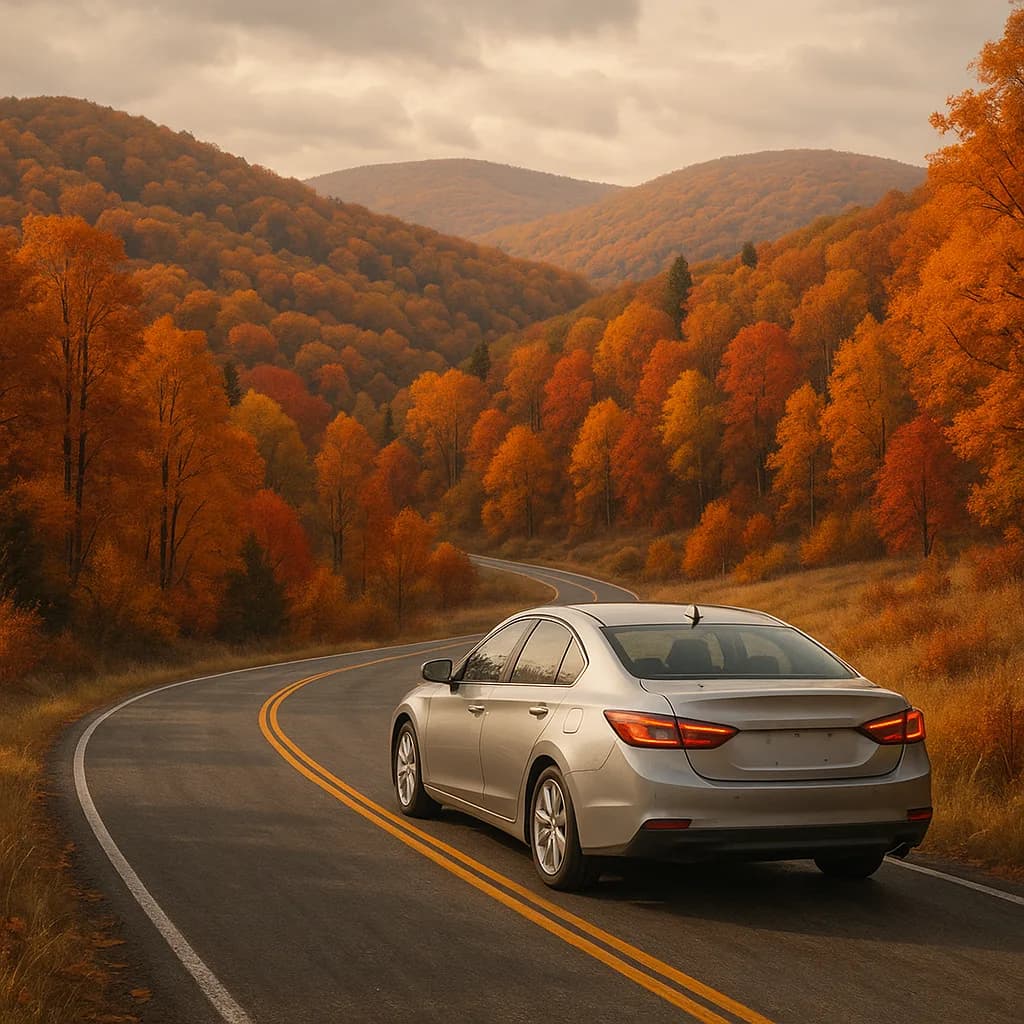
The first path: surrender the vehicle's registration. South Dakota allows you to turn in plates and cancel registration on a vehicle you're not using. Once registration is canceled, the insurance requirement disappears. The vehicle can sit uninsured as long as it remains unregistered. When you want to drive it again, you re-register, obtain insurance, and restore plates. This path works for seasonal vehicles, project cars, or any car that will sit idle for months. The registration surrender must happen before you drop coverage. Drop coverage first and the suspension process begins immediately.
The second path: maintain liability-only coverage on the unused vehicle at the lowest limits South Dakota allows. Liability coverage on a parked car costs far less than full coverage because you drop collision and comprehensive. The vehicle stays registered and legal. You avoid suspension and reinstatement fees. This path works when you want the flexibility to drive the vehicle occasionally without the friction of re-registering it each time. Compare the annual cost of minimum liability against the hassle and timing of repeated registration cycles.
Related Articles




How Multi-Vehicle Households Structure Coverage
Households insuring multiple vehicles on one policy face a related question: can you remove one vehicle from the policy mid-term without triggering a lapse penalty? The answer depends on whether that vehicle stays registered. Remove a vehicle from your policy and surrender its registration at the same time, and no lapse occurs. Remove it from the policy but leave it registered, and the state sees an uninsured registered vehicle.
Carriers writing multi-vehicle policies in South Dakota include State Farm, Geico, Progressive, Farmers, Allstate, American Family, and others. When you call to remove a vehicle, the carrier will ask whether you're surrendering registration or transferring the car to another policy. If you're surrendering registration, document that with the carrier. If the vehicle moves to a different household member's separate policy, confirm the new policy is active before the old one drops that vehicle. The gap between policies is where the suspension risk lives.
Some households keep all vehicles on one policy year-round and adjust coverage levels instead of removing vehicles. A car driven daily carries full coverage. A car driven occasionally drops to liability-only. A car sitting unused all winter keeps liability coverage at state minimums. This structure avoids the registration-surrender friction and keeps every vehicle legal, but it does require paying for coverage on vehicles that may not move for months.
SD Uninsured Motorist Rate
9.4%
Nearly one in ten South Dakota motorists drives uninsured. The state's uninsured-motorist coverage requirement protects you when an at-fault driver has no insurance, a scenario more common here than in many other states.
Insurance Information Institute, 2023
The Cost Trade-Off
The decision between maintaining year-round coverage and cycling registration depends on how often you use each vehicle. A car you drive even once a month typically costs less to insure at minimum liability than to re-register multiple times per year. South Dakota's five-year standard license cycle and relatively low registration fees make repeated registration less painful than in states with annual renewal, but the friction still adds up.
Liability-only coverage on a vehicle you rarely drive runs lower than most drivers expect. You're not insuring the car's value; you're meeting the state's minimum financial-responsibility threshold. Collision and comprehensive premiums disappear. The remaining cost covers bodily injury and property damage liability plus uninsured motorist coverage. For a vehicle that sits parked most of the time, that coverage protects you in the unlikely event someone else causes damage while the car is stationary or you make a rare trip and cause an accident.
What to Do Right Now
If you currently insure multiple vehicles and one sits unused, contact your carrier and ask for a quote on liability-only coverage for that vehicle at South Dakota's minimum limits. Compare that annual cost against the friction of surrendering and re-registering. If the vehicle will sit idle for six months or more and you're certain you won't drive it, surrendering registration and dropping coverage saves money. If you might drive it occasionally, keeping minimum liability avoids the re-registration process each time you need the car.
Households shopping for multi-vehicle policies should compare carriers that write coverage in South Dakota and ask specifically about per-vehicle coverage flexibility. Not every carrier prices liability-only the same way, and the difference on a rarely-driven vehicle can be significant. South Dakota's minimum liability requirements set the floor; your household's vehicle mix determines the structure that works best.