
What the State Requires Before You Register
South Dakota's financial responsibility law (SDCL 32-35) requires you to carry liability insurance and uninsured motorist coverage on every vehicle you register. The minimums are $25,000 bodily injury per person, $50,000 bodily injury per accident, and $25,000 property damage. Uninsured motorist coverage is mandatory at the same limits. You cannot register a vehicle without proof of both.
When you insure multiple vehicles, each car on your policy must meet these minimums independently. The state does not aggregate limits across vehicles. A household with three cars needs three sets of compliant coverage, whether you carry them on one policy or split them across separate policies.
Compare car insurance rates in your state
Get quotes from licensed carriers — no obligation, no spam, results in minutes.
Get Your Free QuoteSouth Dakota Liability Minimums
$25,000 / $50,000 / $25,000
Bodily injury per person, bodily injury per accident, and property damage. These are the lowest limits the state allows. Uninsured motorist coverage is required at the same minimums.
SDCL 32-35
Why Uninsured Motorist Coverage Is Mandatory
South Dakota is one of the states that requires uninsured motorist coverage on every policy. The mandate exists because 9.4% of drivers in the state carry no insurance at all. When an uninsured driver hits you, their lack of coverage does not waive your claim — your own uninsured motorist coverage pays for your injuries and vehicle damage up to your policy limits.
The mandatory uninsured motorist coverage must match your liability limits unless you reject higher limits in writing. If you carry $25,000/$50,000/$25,000 liability, your uninsured motorist coverage starts at the same floor. Most carriers allow you to increase uninsured motorist limits above the liability floor, but you cannot drop below it.
For a household with multiple vehicles, uninsured motorist coverage applies per vehicle. If two cars on your policy are hit by separate uninsured drivers in separate incidents, each vehicle's uninsured motorist coverage applies independently. The state does not stack limits across vehicles unless your policy explicitly includes stacking provisions.
South Dakota's uninsured motorist mandate is not optional. You cannot waive it, and carriers cannot sell you a policy without it.
How Proof of Insurance Works at Registration and Traffic Stops

When you register a vehicle, the county treasurer verifies that you carry liability and uninsured motorist coverage meeting state minimums. Most carriers file proof electronically through the state's verification system. If your policy lapses or cancels, the carrier notifies the state, and your registration becomes invalid. Driving with an invalid registration is a separate violation on top of the no-insurance penalty.
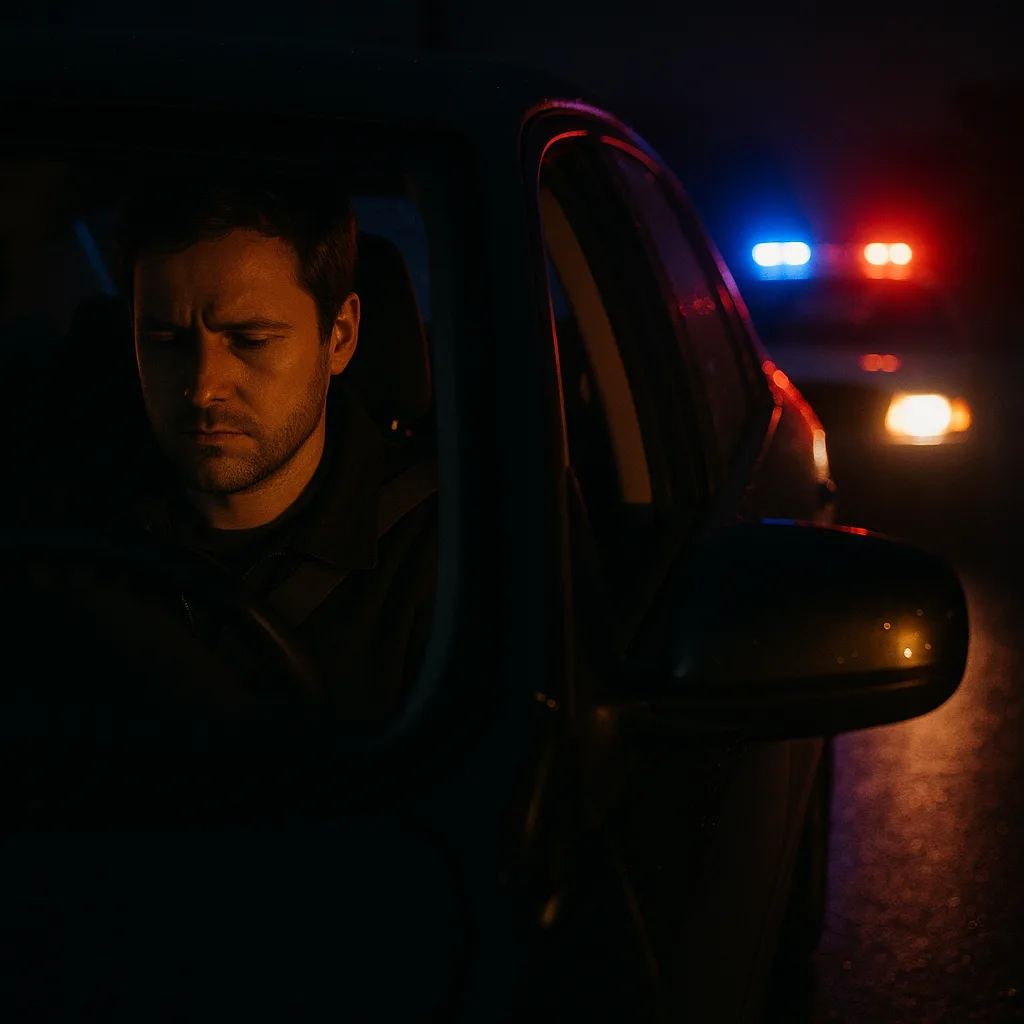
At a traffic stop, law enforcement checks your proof of insurance against the state database. You can show a physical insurance card, a digital card on your phone, or rely on the officer's database lookup. If the database shows no active coverage, you face a citation even if you believe your policy is current. Households with multiple vehicles should verify that every car appears in the state system after adding or renewing coverage.
Related Articles




What Happens When You Drive Without Coverage
Driving without insurance in South Dakota triggers an immediate license suspension. The state does not issue warnings or grace periods.
The suspension applies to every vehicle registered in your name, not just the one you were driving. A household with three cars loses registration on all three if any one car is driven without coverage. Reinstating requires proof of current insurance on every vehicle, payment of the reinstatement fee, and resolution of any citations issued during the uninsured period.
South Dakota does not allow hardship or restricted licenses for drivers suspended solely for lack of insurance. The only path to reinstatement is filing proof of coverage and paying the fee. If you cannot afford coverage, you cannot legally drive.
South Dakota Reinstatement Fee
Paid to the Department of Public Safety after a suspension for driving without insurance. The fee applies once per suspension, not per vehicle, but you must prove coverage on every registered vehicle before reinstatement.
South Dakota Department of Public Safety
How Multi-Vehicle Households Should Structure Coverage
Most carriers offer a multi-car discount when you insure multiple vehicles on one policy. The discount applies to the total premium, not to each vehicle individually. Combining three cars on one policy typically costs less than carrying three separate policies, but the savings depend on the household's drivers, vehicles, and coverage levels.
When you add a vehicle to an existing policy, the carrier re-rates the entire policy. The new premium reflects the added vehicle plus any change in household risk. Adding a third car does not simply add a flat amount — it recalculates the premium for all three vehicles together. Some households see the per-vehicle cost drop as the multi-car discount increases; others see it rise if the new vehicle or its primary driver carries higher risk.
Compare Carriers That Write Multi-Vehicle Policies in South Dakota
Nineteen carriers write auto insurance in South Dakota, and most offer multi-vehicle discounts. Compare South Dakota carriers that insure households with multiple cars. The state's uninsured motorist mandate and liability minimums apply to every vehicle on your policy, but the total premium depends on how each carrier prices your household's combined risk. Get quotes from at least three carriers before choosing a policy.