
Multi-Car Insurance Discounts — South Dakota
Free to compare
When Multi-Car Discounts Apply in South Dakota
You own two or more vehicles and want to know whether combining them on one South Dakota policy lowers your premium. The multi-car discount exists, but it applies only when every vehicle sits on the same policy with the same carrier. Split your vehicles across two policies or two carriers and the discount disappears, even if both policies cover the same household address.
South Dakota does not mandate multi-car discounts by statute. Carriers offer them voluntarily, and each carrier sets its own eligibility rules. Most require that all vehicles share a single policy number and that the primary garaging address match across vehicles. Understanding these structural requirements before you add or remove a vehicle prevents premium surprises at renewal.
“Split your vehicles across two policies or two carriers and the discount disappears, even if both policies cover the same household address.”
Check Your Rate Against Other South Dakota Drivers
Get My South Dakota Car Insurance Quote19 carriers
South Dakota Auto Carriers
Nineteen carriers write auto insurance in South Dakota, including State Farm, Geico, Progressive, Allstate, Farmers, Nationwide, USAA, and American Family. Not all offer the same multi-car discount structure, so comparing carriers matters when you insure multiple vehicles.
South Dakota Division of Insurance carrier roster
Same-Policy Requirement and Household Structure
The multi-car discount requires every vehicle to appear on the same policy. A policy is a single contract with one policy number. If you own three cars and insure two on one policy and one on another, only the policy with two vehicles qualifies for the multi-car discount. The standalone policy does not.
Household structure matters. Most carriers define a household as people living at the same address who share financial responsibility for the vehicles. When you add a spouse's car after marriage, combining both vehicles onto one policy typically triggers the discount. When an adult child moves out and takes their car, that vehicle no longer qualifies under your policy's multi-car discount once they establish a separate address.
Garaging address is the overnight parking location the carrier uses to calculate risk. Some carriers require that all vehicles on a multi-car policy share the same garaging address. Others allow different garaging addresses within the same household, such as a college student's dorm or a second property. Confirm your carrier's garaging rule before you add a vehicle parked at a different location.
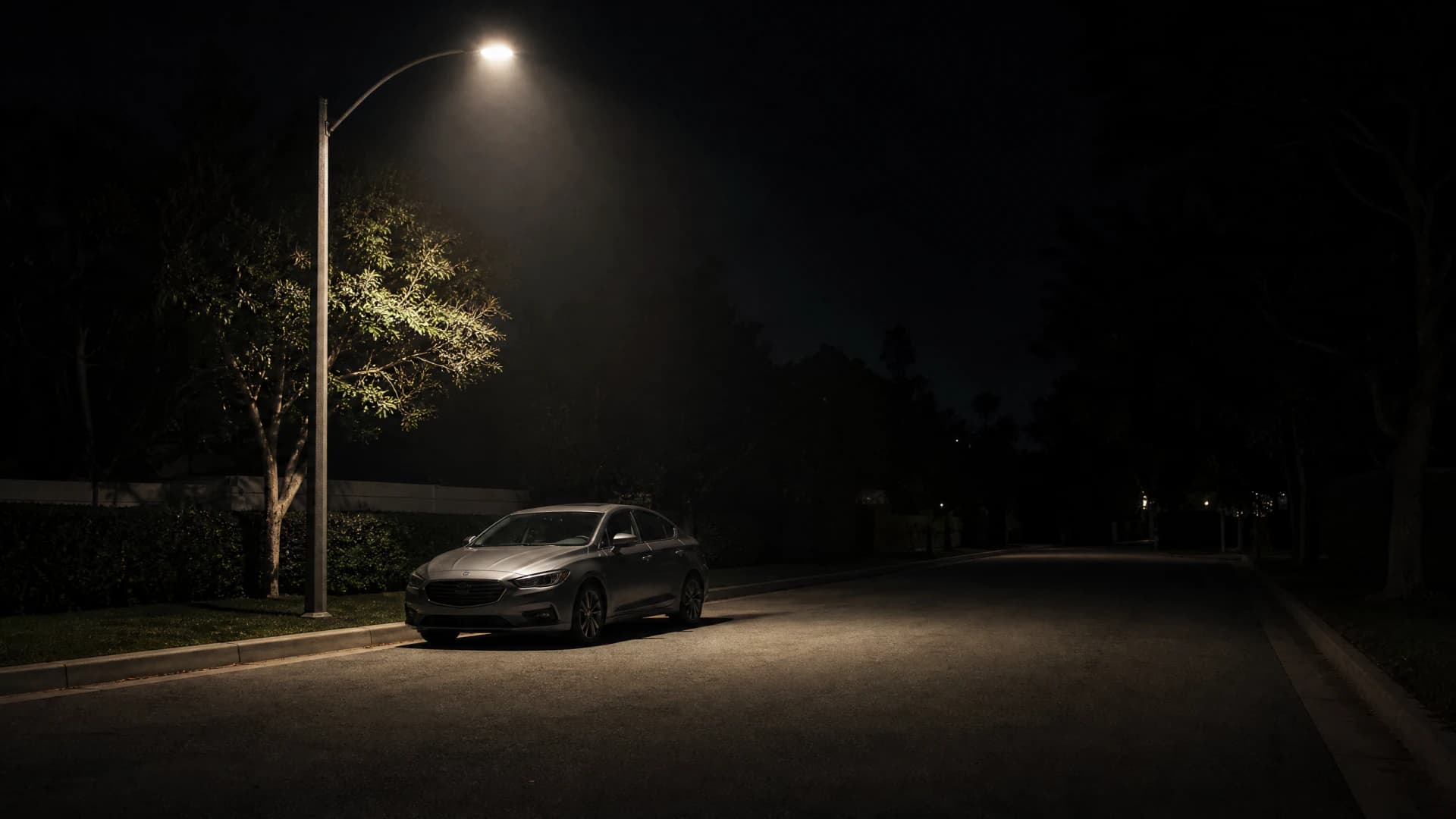
Splitting vehicles across two policies or two carriers eliminates the multi-car discount, even when both policies cover the same household.




Discounts Beyond Multi-Car That Apply to Multiple Vehicles
The multi-car discount is not the only discount that lowers premiums when you insure multiple vehicles. Bundling your auto policy with homeowners or renters insurance often produces a separate discount that stacks with the multi-car discount. Carriers call this a multi-policy or bundle discount, and it applies to the entire policy, not per vehicle.
Paid-in-full discounts reward paying the full six-month or annual premium upfront rather than in monthly installments. This discount applies to the total policy premium, so it scales with the number of vehicles. A household with three cars pays a higher total premium than a household with one, and the paid-in-full discount saves more in absolute dollars on the larger policy.
Paperless and automatic-payment discounts also apply at the policy level. When you enroll in electronic delivery of documents and authorize automatic bank withdrawals, the carrier applies these discounts to the entire policy. The savings per vehicle are small, but they compound when you insure multiple vehicles on one policy.
$25,000 / $50,000 / $25,000
South Dakota Minimum Liability
South Dakota requires minimum liability coverage of $25,000 per person for bodily injury, $50,000 per accident for bodily injury, and $25,000 per accident for property damage. These minimums apply to every vehicle on your policy, and insuring multiple vehicles at minimum limits does not reduce the per-vehicle requirement.
South Dakota Codified Laws § 32-35
When Splitting Policies Makes Sense
Most households save money by combining all vehicles on one policy, but splitting policies occasionally makes sense. A household with a high-risk driver and several low-risk drivers may pay less by isolating the high-risk driver on a separate policy. The high-risk policy carries a higher premium, but the remaining vehicles stay on a lower-rated policy without the high-risk driver's surcharge spreading across every car.
Classic or collector vehicles often require specialty coverage that standard multi-car policies do not provide. Agreed-value coverage, mileage restrictions, and show-use endorsements typically live on a separate classic-car policy. You can still maintain a standard multi-car policy for your daily drivers while the collector vehicle sits on its own policy with a specialty carrier.
Compare Carriers That Write Multi-Vehicle Policies in South Dakota
Nineteen carriers write auto insurance in South Dakota, and each structures its multi-car discount differently. State Farm, Geico, Progressive, Allstate, Farmers, Nationwide, USAA, and American Family all write multi-vehicle policies in the state, but their discount structures, garaging-address rules, and bundling options vary. One carrier's multi-car discount may save more than another's, even when the base premium is similar.
Request quotes from at least three carriers that write multi-vehicle policies in South Dakota. Provide the same coverage limits, deductibles, and vehicle information to each carrier so you can compare the total policy premium and the per-vehicle breakdown. The carrier with the lowest single-car rate does not always offer the lowest multi-car rate. Use the South Dakota Car Insurance Requirements comparison tool to see which carriers write policies for households with multiple vehicles and how their multi-car structures differ.
How Adding a Vehicle Re-Rates Your Policy
When you add a second vehicle to an existing single-car policy, the carrier recalculates your premium for both vehicles and applies the multi-car discount to the combined policy. The total premium is not your original premium plus the new vehicle's standalone cost. It is a new combined rate that reflects the discount applied to both vehicles. This often results in a lower per-vehicle cost than insuring each car separately.
The same re-rating happens when you remove a vehicle. Drop one car from a three-car policy and the carrier recalculates the premium for the remaining two vehicles. The multi-car discount still applies, but the per-vehicle cost may rise slightly because the discount now spreads across fewer vehicles. Understanding this re-rating behavior prevents confusion when your renewal notice shows a different per-vehicle breakdown than you expected.
Get Your Free Quote
Get My South Dakota Car Insurance QuoteFrequently Asked Questions
Does South Dakota require multi-car discounts?
No. South Dakota does not mandate multi-car discounts by statute. Carriers offer them voluntarily, and each carrier sets its own eligibility rules. Most require that all vehicles sit on the same policy with the same carrier and share a primary garaging address.
Can I get a multi-car discount if my vehicles are garaged at different addresses?
It depends on the carrier. Some carriers require that all vehicles on a multi-car policy share the same garaging address. Others allow different garaging addresses within the same household, such as a college student's dorm. Confirm your carrier's garaging rule before adding a vehicle parked at a different location.
What happens to my premium when I add a second vehicle mid-term?
The carrier re-rates your entire policy when you add a vehicle mid-term. It recalculates the premium for both vehicles and applies the multi-car discount to the combined policy. The total premium is not your original premium plus the new vehicle's standalone cost; it is a new combined rate reflecting the discount applied to both vehicles.
Do I lose the multi-car discount if I remove one vehicle from a three-car policy?
No, but the carrier recalculates the premium for the remaining two vehicles. The multi-car discount still applies, but the per-vehicle cost may rise slightly because the discount now spreads across fewer vehicles. You do not lose the discount entirely unless you drop down to a single vehicle.
Can I combine my auto policy with homeowners insurance to save more?
Yes. Bundling your auto policy with homeowners or renters insurance produces a separate multi-policy discount that stacks with the multi-car discount. This discount applies to the entire policy, not per vehicle, and most South Dakota carriers offer it.
Which South Dakota carriers write multi-vehicle policies?
Nineteen carriers write auto insurance in South Dakota, including State Farm, Geico, Progressive, Allstate, Farmers, Nationwide, USAA, and American Family. All write multi-vehicle policies, but their discount structures and garaging-address rules vary. Request quotes from at least three carriers to compare total policy premiums and per-vehicle breakdowns.