
Multi-Car Insurance Savings — South Dakota
Free to compare
When Adding a Second Vehicle Changes Your Premium
You just bought a second car and called your carrier to add it to your existing South Dakota auto policy. The agent quoted a new premium that jumped more than you expected. You assumed the multi-car discount would lower the per-vehicle cost, but instead the total premium climbed sharply. The confusion is structural: adding a vehicle does not simply tack on a flat amount—it re-rates the entire policy, and the multi-car discount applies only after that re-rating.
South Dakota law requires every registered vehicle to carry at least $25,000 per person and $50,000 per accident in bodily injury liability, plus $25,000 in property damage liability, and uninsured motorist coverage. When you add a second vehicle, the carrier re-underwrites the policy using the new vehicle's make, model, year, garaging address, and your household's driving record. The multi-car discount—typically a percentage reduction applied to each vehicle's premium—comes after that calculation, not before. If the second vehicle is newer, more expensive to repair, or garaged in a ZIP code with higher theft or collision rates, the base premium for that vehicle can exceed the discount's value.
“A smaller discount on a lower base rate can beat a larger discount on a higher base rate.”
Check Your Rate Against Other South Dakota Drivers
Get My South Dakota Car Insurance Quote$25,000/$50,000/$25,000
South Dakota Minimum Liability
Every vehicle registered in South Dakota must carry at least $25,000 per person, $50,000 per accident in bodily injury liability, and $25,000 in property damage liability. Uninsured motorist coverage is also required. These minimums apply to each vehicle on your policy.
South Dakota state minimum liability requirements
What the Multi-Car Discount Actually Requires
The multi-car discount is not automatic. Most carriers require every vehicle to sit on the same policy and share the same garaging address. If your household owns three cars but one is titled to a family member on a separate policy, that vehicle does not count toward your multi-car discount. If one car is garaged at a second address—a college student's apartment, a work parking lot, or a vacation property—some carriers will not apply the discount to that vehicle.
South Dakota carriers writing multi-vehicle policies include State Farm, Geico, Progressive, American Family, Allstate, Farmers, and USAA. Each carrier defines the multi-car discount differently. Some apply the discount to every vehicle after the first; others apply it only when you insure three or more vehicles. Some carriers require all drivers in the household to be listed on the policy; others allow excluded drivers if the excluded driver has separate coverage. The same-policy requirement is nearly universal, but the same-garaging-address rule varies by carrier.
When you combine two existing policies after marriage or a household move, the carrier re-rates the combined policy using the driving records, vehicles, and garaging addresses of both households. The multi-car discount applies to the new combined policy, but the total premium depends on whether the second household brings a clean driving record or a history of claims and violations. A household with one at-fault accident and one speeding ticket may see the combined premium rise even with the discount applied.
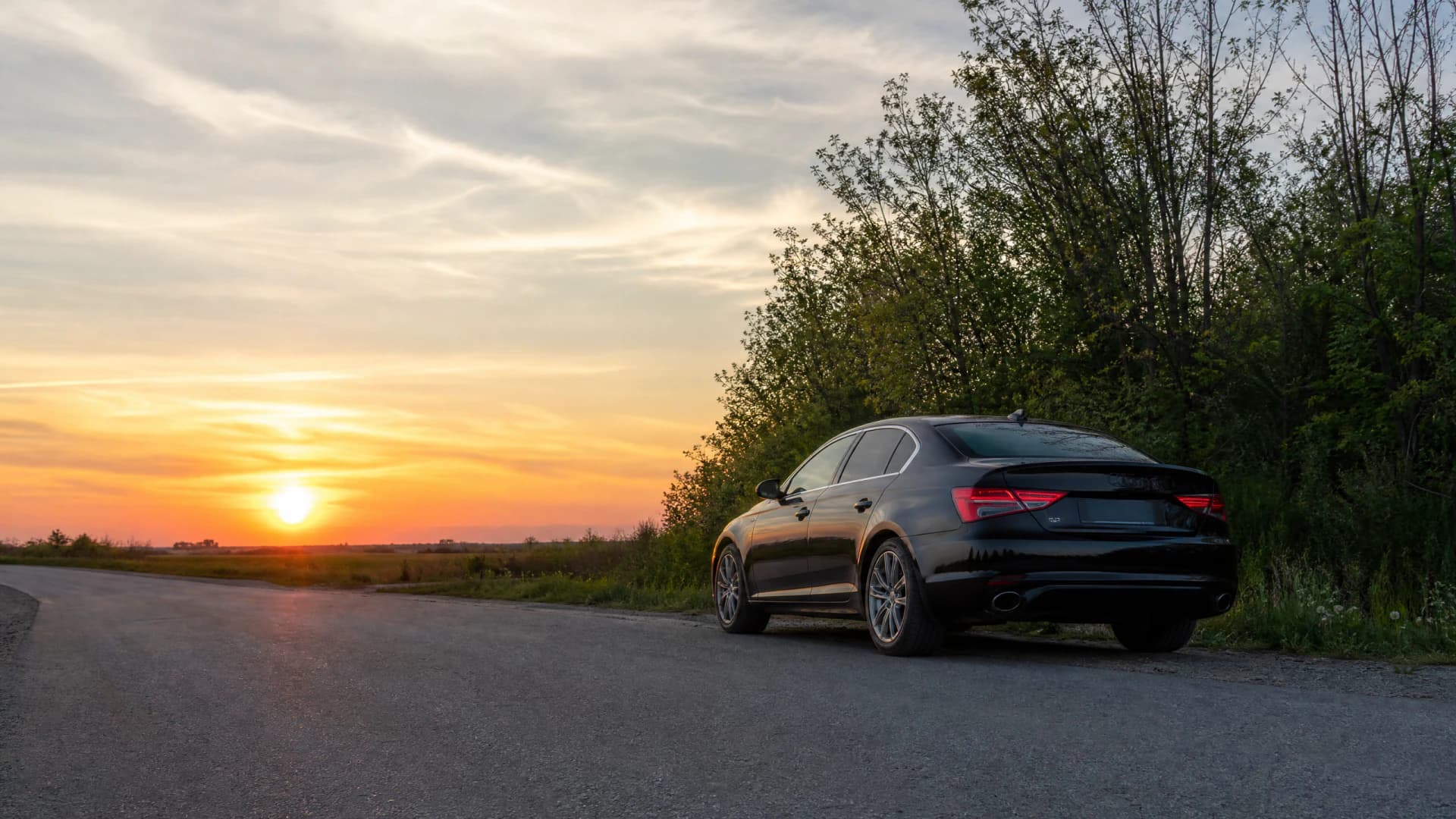
The multi-car discount requires every vehicle on the same policy and, for most carriers, the same garaging address. A vehicle titled to someone outside the household or garaged elsewhere typically does not qualify.




When Separate Policies Cost Less Than One Combined Policy
Combining vehicles on one policy does not always save money. If one household member has a DUI conviction, multiple at-fault accidents, or a suspended license, adding that driver to your policy raises the premium for every vehicle. Some carriers allow you to exclude a high-risk driver from your policy if that driver has separate coverage, but the exclusion removes the multi-car discount for any vehicle that driver uses. If the excluded driver's separate policy costs less than the premium increase from including them, separate policies save money.
A second scenario where separate policies cost less: one vehicle is a classic car, a rarely-driven vehicle, or a vehicle used only seasonally. Many carriers offer low-mileage or storage coverage for vehicles driven fewer than a certain number of miles per year. That coverage typically costs less than adding the vehicle to a standard multi-car policy, even with the discount applied. If you own a daily driver and a classic car, compare the cost of a multi-car policy with full coverage on both vehicles against the cost of a standard policy for the daily driver and a separate low-mileage policy for the classic.
A third scenario: one vehicle is titled to someone outside your household—a college-age child, an elderly parent, or a roommate. If that person maintains a separate policy, their vehicle does not qualify for your multi-car discount, and adding it to your policy may not be possible without re-titling the vehicle. If re-titling is not an option, the separate-policy structure is not a choice—it is the only structure available.
9.4%
South Dakota Uninsured Motorist Rate
Nearly one in ten South Dakota motorists drives without insurance. Uninsured motorist coverage is required in South Dakota and protects you when an at-fault driver has no coverage. The coverage applies to every vehicle on your policy.
South Dakota state insurance statistics, 2023

How Adding a Vehicle Mid-Term Affects Your Premium
When you add a vehicle to an existing South Dakota policy mid-term, the carrier re-rates the policy immediately and charges a prorated premium for the new vehicle covering the remainder of the current term. The multi-car discount applies to the new combined policy, but the total premium reflects the new vehicle's base cost, not just the discount. If the new vehicle is more expensive to insure than the vehicle already on the policy, the prorated charge for the remainder of the term can exceed the discount's value, and your next renewal premium will reflect the full annual cost of both vehicles.
Most South Dakota carriers provide a grace period—typically 14 to 30 days—during which a newly purchased vehicle is automatically covered under your existing policy at the same coverage level as your current vehicle. That grace period does not extend the multi-car discount to the new vehicle; it simply provides temporary coverage while you complete the formal addition. If you do not report the new vehicle within the grace period, the carrier can deny a claim involving that vehicle. The grace period is not a cost-saving window—it is a compliance window.
Compare Carriers That Write Multi-Vehicle Policies in South Dakota
Nineteen carriers write auto insurance in South Dakota, and most offer multi-car policies. State Farm, Geico, Progressive, American Family, Allstate, Farmers, USAA, Nationwide, Travelers, and Liberty Mutual all write multi-vehicle policies and apply a multi-car discount. The discount structure, the same-garaging-address requirement, and the base premium for each vehicle vary by carrier. A carrier that offers the lowest premium for a single vehicle may not offer the lowest premium for a household with three vehicles.
Request quotes from at least three carriers, and provide identical information for each quote: the make, model, and year of every vehicle; the garaging address for each vehicle; the driving record of every household member who will be listed on the policy; and the coverage levels you want for each vehicle. Compare the total annual premium, not just the per-vehicle premium or the discount percentage. A carrier that applies a smaller discount but starts with a lower base rate can deliver a lower total premium than a carrier that applies a larger discount to a higher base rate. South Dakota's minimum liability requirements set the floor for every policy, but the cost of meeting those minimums varies by carrier, vehicle, and household.
How Carriers Apply the Multi-Car Discount
Most South Dakota carriers apply the multi-car discount as a percentage reduction to each vehicle's base premium after the first. If you insure two vehicles, the second vehicle receives the discount. If you insure three vehicles, the second and third vehicles each receive the discount, and the first vehicle pays the full base premium. Some carriers apply a tiered discount: a smaller percentage for the second vehicle and a larger percentage for the third and fourth. A few carriers apply the discount to every vehicle, including the first, once you meet the minimum vehicle count.
The discount percentage itself is not published by most carriers and varies by state, vehicle type, and coverage level. A carrier that advertises a multi-car discount does not guarantee the discount will lower your total premium below the cost of separate policies. The base premium for each vehicle—driven by the vehicle's value, repair cost, theft rate, and your driving record—determines whether the discount produces net savings. A smaller discount on a lower base rate can beat a larger discount on a higher base rate.
Get Your Free Quote
Get My South Dakota Car Insurance QuoteFrequently Asked Questions
Does South Dakota require the same coverage limits for every vehicle on a multi-car policy?
South Dakota requires every registered vehicle to carry at least $25,000 per person and $50,000 per accident in bodily injury liability, $25,000 in property damage liability, and uninsured motorist coverage. You can choose higher limits for one vehicle and minimum limits for another on the same policy, but every vehicle must meet the state minimums.
Can I add a vehicle titled to someone outside my household to my South Dakota multi-car policy?
Most South Dakota carriers require the policyholder to be the registered owner or co-owner of every vehicle on the policy. If the vehicle is titled to someone outside your household, you typically cannot add it to your policy without re-titling the vehicle. Some carriers allow exceptions for household members, but a vehicle titled to a non-household member usually requires a separate policy.
How long does the grace period last when I buy a new vehicle in South Dakota?
Most South Dakota carriers provide a 14- to 30-day grace period during which a newly purchased vehicle is automatically covered under your existing policy at the same coverage level as your current vehicle. The grace period does not extend the multi-car discount to the new vehicle—it provides temporary coverage while you formally add the vehicle. If you do not report the new vehicle within the grace period, the carrier can deny a claim.
Does the multi-car discount apply if one vehicle is garaged at a different address in South Dakota?
Most South Dakota carriers require every vehicle on a multi-car policy to share the same garaging address for the multi-car discount to apply. If one vehicle is garaged at a college student's apartment, a work parking lot, or a second home, some carriers will not apply the discount to that vehicle. Check with your carrier before assuming the discount applies to a vehicle garaged elsewhere.
Can I exclude a high-risk driver from my South Dakota multi-car policy?
Some South Dakota carriers allow you to exclude a household member from your policy if that person has separate coverage. Excluding a high-risk driver removes their driving record from your policy's rating, but it also removes the multi-car discount for any vehicle that driver uses. If the excluded driver's separate policy costs less than the premium increase from including them, separate policies save money.
How does adding a third vehicle to my South Dakota policy affect the multi-car discount?
Adding a third vehicle re-rates the entire policy using the new vehicle's make, model, year, garaging address, and your household's driving record. Most South Dakota carriers apply the multi-car discount to the second and third vehicles, and some carriers apply a larger discount to the third vehicle than to the second. The total premium depends on the base cost of the third vehicle, not just the discount percentage.