
What Affects Car Insurance Rates — South Dakota
Free to compare
Why Your Multi-Vehicle Quote Varies by Carrier
You requested quotes from three carriers for your two-car household in South Dakota. One quoted you substantially lower than the other two, even though you provided identical information. The variation is not random. South Dakota carriers weight the same six rating factors differently, and when you insure multiple vehicles on one policy, those weighting differences compound across every car.
The multi-car discount appears on every quote, but it does not work the same way at every carrier. Some apply the discount to the base premium before calculating coverage add-ons; others apply it after. The sequence changes the final number. Understanding which factors matter most to each carrier helps you predict which one will price your household lowest.
“Adding a third vehicle re-rates all three cars together based on the combined household risk profile, not just the incremental cost of the new car.”
Check Your Rate Against Other South Dakota Drivers
Get My South Dakota Car Insurance Quote$1,367.39
SD Average Annual Auto Expenditure Per Vehicle
South Dakota drivers paid an average of $1,367.39 per insured vehicle in 2023, according to NAIC data. Households insuring multiple vehicles on one policy typically pay less per vehicle than that figure due to the multi-car discount, but the total household premium depends on how many vehicles you insure and how each carrier structures the discount.
NAIC Auto Insurance Database Report 2023
The Six Rating Factors That Control Your Premium
Every South Dakota carrier uses the same six inputs: your driving record, the vehicles you insure, where you garage them, your coverage selections, your credit history, and how many vehicles sit on the policy. The weight each factor carries varies by carrier. One carrier may penalize a recent ticket heavily and ignore vehicle age; another does the opposite.
Driving record includes every moving violation, at-fault accident, and license suspension in the past three to five years. South Dakota does not operate a point system visible to drivers, but carriers track violations internally and assign surcharges that last three years from the conviction date. A single speeding ticket can raise your premium 15 to 30 percent depending on the carrier's internal weighting.
Vehicle characteristics include year, make, model, safety ratings, theft rates, and repair costs. A vehicle with high theft rates or expensive parts costs more to insure for comprehensive and collision coverage. When you add a second or third vehicle to your policy, the carrier re-rates the entire policy based on the combined risk profile of all vehicles, not just the incremental cost of the new car.
Garaging location determines your base rate. South Dakota uses ZIP code and sometimes street address to assess regional risk: traffic density, theft rates, uninsured motorist frequency, and weather patterns. Rural ZIP codes with low traffic density typically cost less than Sioux Falls or Rapid City addresses. When you insure multiple vehicles garaged at the same address, all vehicles share the same location rating factor.
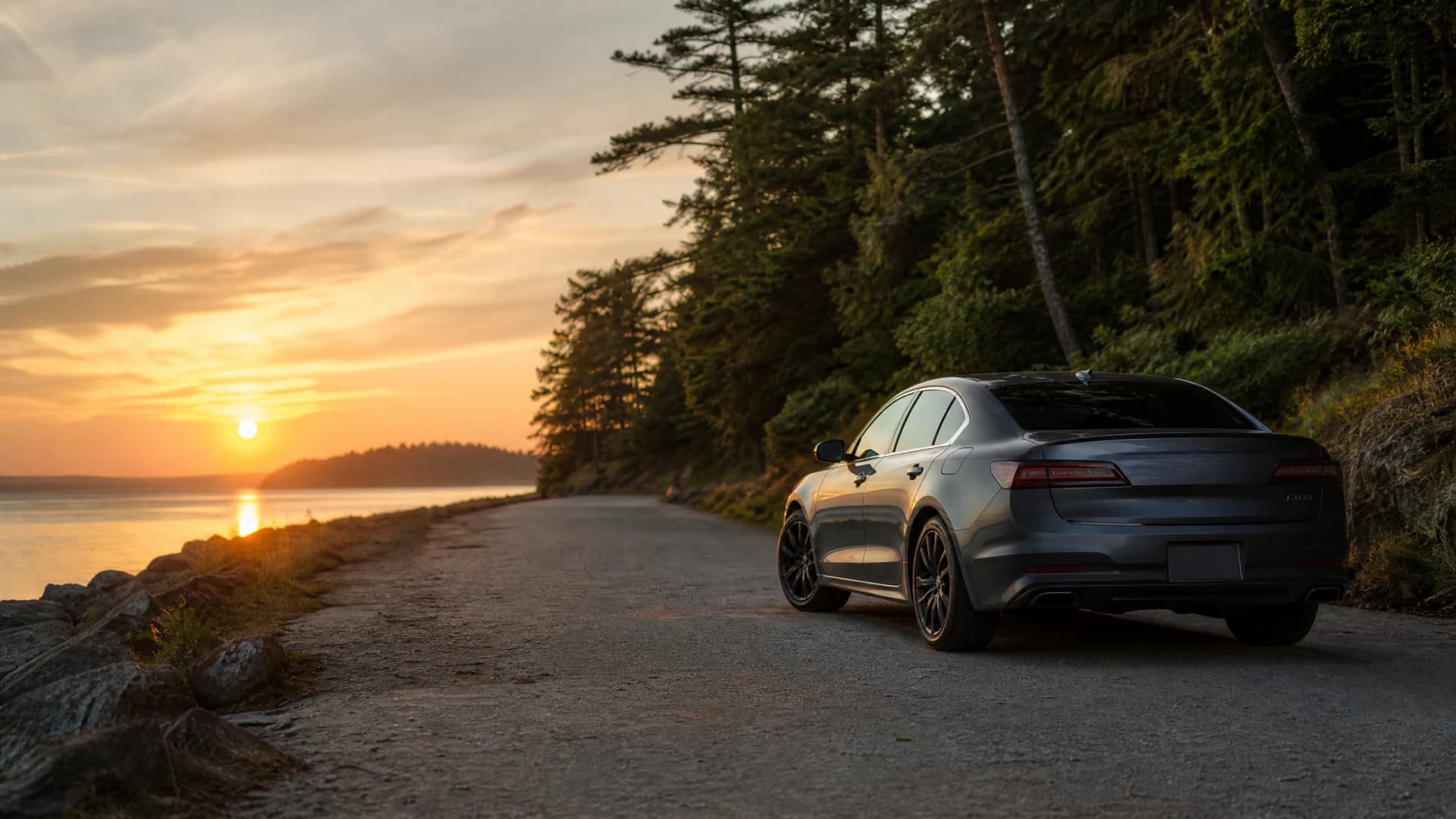
Adding a third vehicle to your policy re-rates all three cars together, not just the new one. The total premium reflects the combined risk profile of your entire household.
Related Articles



Credit History and Insurance Score in South Dakota
South Dakota allows carriers to use credit-based insurance scores when setting rates. The score is not your credit score; it is a separate calculation that predicts claim likelihood based on credit behavior. Carriers that use insurance scoring apply it to the primary policyholder, and the score affects the base rate for the entire policy, including all vehicles.
The impact is larger on multi-vehicle policies because the score applies to the household base rate before the multi-car discount. Improving your credit over time lowers your insurance score and reduces your premium at renewal, but the change is gradual.
Not every carrier weights insurance score the same way. Some carriers penalize low scores heavily; others use them minimally or not at all. If your credit history is poor, comparing carriers that de-emphasize insurance scoring can save you hundreds of dollars annually on a multi-vehicle policy.
9.4%
SD Uninsured Motorist Rate
9.4 percent of South Dakota motorists drove uninsured in 2023. That rate directly affects your uninsured motorist premium, which is mandatory in South Dakota. Carriers price UM coverage based on regional uninsured rates, so the same coverage costs more in areas with higher uninsured driver concentrations.
Insurance Research Council, 2023

How the Multi-Car Discount Actually Works
The multi-car discount reduces your per-vehicle cost when you insure two or more vehicles on the same policy. The discount is not a flat percentage; it varies by carrier and by how many vehicles you insure. Most carriers require every vehicle to be garaged at the same address and titled to household members on the same policy. A vehicle titled to someone outside your household typically does not qualify.
The discount applies differently depending on the carrier's rating structure. Some carriers apply the discount to the base premium before adding coverage costs; others apply it after. The sequence matters because applying the discount early reduces the base on which collision, comprehensive, and other coverages are calculated. A carrier that applies the discount late may quote higher even if the discount percentage is the same.
Adding a third or fourth vehicle increases the total household premium, but the per-vehicle cost drops because the discount grows. The savings are not linear. Going from one car to two saves more per vehicle than going from three to four. Households with four or more vehicles on one policy see diminishing marginal savings on each additional car.
Why Comparing Carriers Matters More for Multi-Vehicle Households
A carrier that prices you lowest for one vehicle may not price you lowest for three. Rating factor weights compound across multiple vehicles, and small differences in how a carrier weights driving record, vehicle age, or location produce large differences in total household premium. The only way to identify which carrier prices your specific household lowest is to compare quotes with identical coverage across at least three carriers.
South Dakota has 19 carriers writing auto insurance in the state, and most write multi-vehicle policies. South Dakota car insurance requirements and carrier availability vary by coverage type, so confirming which carriers write the coverage you need before requesting quotes saves time. Households with clean records and newer vehicles typically get the best rates from preferred-tier carriers; households with violations or older vehicles may find better pricing from standard-tier or non-standard carriers that specialize in higher-risk profiles.

Compare Quotes with Your Household's Actual Vehicle and Driver Profile
Request quotes from at least three South Dakota carriers that write multi-vehicle policies. Provide identical coverage selections, vehicle details, and driver information to each carrier so the quotes reflect true rate differences, not coverage mismatches. Specify how many vehicles you are insuring, where they are garaged, and who drives each one. The multi-car discount applies only when the carrier can verify that all vehicles belong on the same policy and meet the same-address requirement.
How Coverage Selections Change Multi-Car Policy Cost
South Dakota requires $25,000 bodily injury per person, $50,000 per accident, and $25,000 property damage liability on every vehicle. Uninsured motorist coverage is mandatory and mirrors your liability limits. These minimums apply to each vehicle on your policy.
Collision and comprehensive are optional and priced per vehicle based on actual cash value. A $500 deductible costs more than a $1,000 deductible, and the difference is larger on a newer vehicle with higher value. Households insuring three or four vehicles often carry full coverage on the two newest cars and liability-only on older vehicles to control total cost.
Get Your Free Quote
Get My South Dakota Car Insurance QuoteFrequently Asked Questions
Does adding a second car to my South Dakota policy double my premium?
No. The multi-car discount reduces the per-vehicle cost when you insure two or more cars on one policy, so adding a second car raises your total premium but not by the full cost of insuring that car separately. The exact savings depend on the carrier's discount structure and your household's rating factors.
Can I get the multi-car discount if my vehicles are garaged at different addresses in South Dakota?
Most South Dakota carriers require all vehicles on a multi-car policy to be garaged at the same address. If you garage vehicles at two locations, you may need separate policies or a carrier that allows split garaging, which typically reduces or eliminates the multi-car discount.
How much does a speeding ticket raise my premium on a multi-vehicle policy in South Dakota?
A single speeding ticket typically raises your South Dakota premium 15 to 30 percent depending on the carrier's internal weighting. The surcharge applies to your household base rate, so it affects the total cost of insuring all vehicles on your policy, not just the car you were driving when ticketed.
Does South Dakota require the same liability limits on every vehicle I insure?
Yes. South Dakota requires $25,000 bodily injury per person, $50,000 per accident, and $25,000 property damage on every vehicle. Uninsured motorist coverage is mandatory and mirrors your liability limits. You can raise limits above the minimum, but the higher limits apply to all vehicles on your policy.
Will my South Dakota multi-car premium go down if I improve my credit score?
Yes, if your carrier uses credit-based insurance scoring. South Dakota allows carriers to factor insurance scores into rates, and improving your credit over time lowers your score and reduces your premium at renewal. The impact is gradual and applies to your household base rate, affecting all vehicles on your policy.
Can I insure my teenager's car on a separate policy to lower my multi-vehicle premium?
Technically yes, but it almost always costs more. Teen drivers carry high risk, and insuring a teen on a standalone policy eliminates the multi-car discount and removes the household rating pool that spreads risk across multiple vehicles. Most South Dakota households save money by keeping the teen's car on the family policy despite the rate increase.
Do I need collision and comprehensive on every vehicle in my South Dakota multi-car policy?
No. Collision and comprehensive are optional in South Dakota and priced per vehicle based on actual cash value.