
Minimum vs Full Coverage — South Dakota
Free to compare
What You're Actually Comparing
You're weighing South Dakota's state minimum against full coverage because you want to know whether adding collision and comprehensive is worth the premium increase. The state minimum is $25,000 per person and $50,000 per accident for bodily injury liability, plus $25,000 for property damage liability. South Dakota also mandates uninsured motorist coverage at the same limits, so your household already has protection if an uninsured driver hits you.
Full coverage adds two things: collision (pays to repair your car after an accident regardless of fault) and comprehensive (pays for theft, hail, fire, animal strikes, and other non-collision damage). The decision turns on whether your vehicle's value and your household's asset exposure justify paying to protect the car itself, not just the other driver's losses.
“South Dakota minimum coverage protects the other driver and your household's medical costs. It does not protect your car.”

Check Your Rate Against Other South Dakota Drivers
Get My South Dakota Car Insurance Quote$25,000 / $50,000 / $25,000
South Dakota Minimum Liability
Bodily injury per person, bodily injury per accident, and property damage. South Dakota also requires uninsured motorist coverage at the same limits, adding a layer of protection that many states leave optional.
South Dakota Department of Public Safety
The Structural Reality of South Dakota Minimum Coverage
South Dakota's minimum is liability-only, meaning it pays the other driver's medical bills and repair costs when you cause an accident. It does not pay to fix your own car. The uninsured-motorist mandate is the structural difference: if an uninsured driver hits you, your UM coverage steps in to pay your household's medical costs up to your policy limits. That protection is built into every South Dakota policy by law.
Many drivers assume minimum coverage leaves them completely exposed after an accident. That's not accurate in South Dakota. Your UM coverage protects your household's medical expenses even when the at-fault driver has no insurance. What minimum coverage does NOT protect is your vehicle. If you total your car in an at-fault accident, or if hail shatters your windshield, minimum coverage pays nothing toward repairs or replacement.
The gap between minimum and full coverage is narrower in South Dakota than in states where UM is optional. You're not deciding whether to protect your household's medical costs; that's already covered. You're deciding whether to protect the vehicle itself.
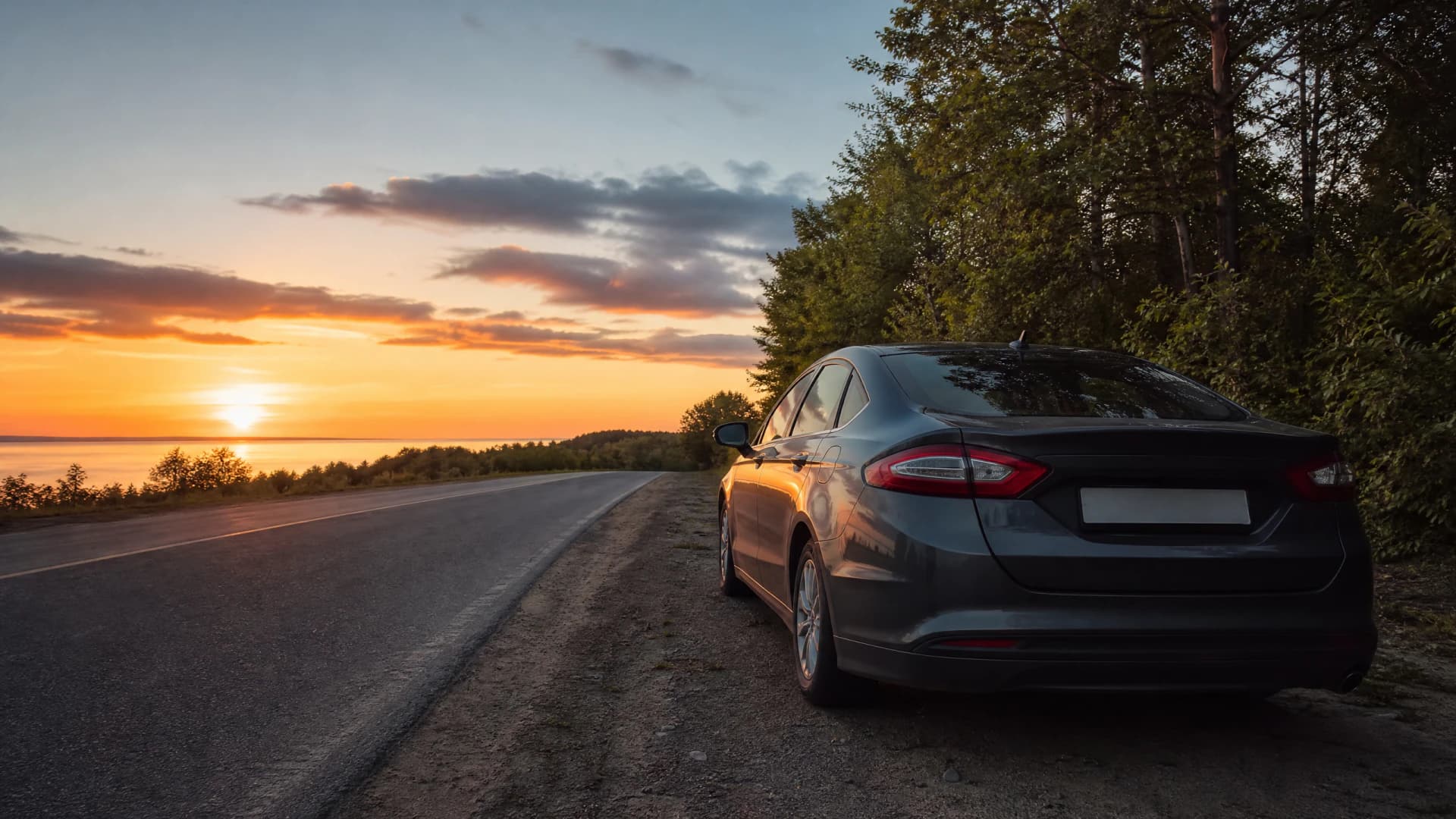
South Dakota minimum coverage protects the other driver and your household's medical costs. It does not protect your car.
Related Articles







When Full Coverage Justifies the Cost
Full coverage justifies the premium when your vehicle's value is high enough that replacing it out-of-pocket would strain your household budget, or when a lender requires it. Collision coverage pays the actual cash value minus your deductible, protecting your household from a total financial loss.
Comprehensive coverage protects against non-collision risks that are common in South Dakota: hail damage, deer strikes, and vehicle theft. South Dakota recorded 205.2 motor vehicle thefts per 100,000 population in 2024. Hail is a recurring risk across the state, particularly in spring and summer. If your vehicle is worth enough that a hail-damage total loss would be a financial problem, comprehensive coverage transfers that risk to the carrier.
The rule of thumb: if your vehicle's value exceeds ten times the annual cost of collision and comprehensive combined, full coverage is usually worth carrying.
Financing adds a non-negotiable requirement. Lenders and lessors require collision and comprehensive until the loan is paid off or the lease ends. You cannot carry minimum coverage on a financed vehicle. The lender's collateral protection requirement overrides the household's cost-benefit analysis.
205.2 per 100,000
South Dakota Vehicle Theft Rate
Motor vehicle thefts per 100,000 population in 2024. Comprehensive coverage protects against theft, and the rate is high enough that households with newer vehicles face measurable risk.
FBI Uniform Crime Reporting Program, 2024

How Deductibles Shape the Decision
Collision and comprehensive policies include deductibles: the amount you pay out-of-pocket before the carrier pays the rest. Common deductibles are $500 or $1,000. A $500 deductible means you pay the first $500 of every claim; the carrier pays everything above that. A $1,000 deductible lowers your premium but increases your out-of-pocket cost at claim time.
Choosing a higher deductible makes sense when your household can cover the deductible amount from savings without hardship. A $1,000 deductible paired with full coverage protects you from catastrophic vehicle loss while keeping premiums lower. A $500 deductible costs more per month but reduces the immediate cash outlay after an accident. The choice depends on your household's cash reserves and risk tolerance.
Compare Carriers Writing Your Household's Vehicles
Nineteen carriers write auto insurance in South Dakota, and premium variation for the same coverage is significant. Compare South Dakota carriers that write policies covering your household's vehicles. Request quotes for both minimum coverage and full coverage with your chosen deductible, then compare the monthly premium difference against your vehicle's value and your household's ability to absorb a total loss. The decision is clearest when you see the actual cost difference in your county for your vehicles.
When Minimum Coverage Works
If your car is worth less than a few thousand dollars, paying collision and comprehensive premiums may cost more over two or three years than the vehicle's replacement value. The math works when the vehicle is inexpensive and you can absorb the loss.
Minimum coverage also works when you own the vehicle outright and have no loan or lease. Lenders require collision and comprehensive to protect their collateral. If you own the car free and clear, the choice is yours. Households managing multiple older vehicles often carry minimum coverage on one or two cars they can afford to replace, while maintaining full coverage on newer or financed vehicles.
Get Your Free Quote
Get My South Dakota Car Insurance QuoteFrequently Asked Questions
Does South Dakota require full coverage car insurance?
No. South Dakota requires $25,000/$50,000/$25,000 liability plus uninsured motorist at the same limits. Full coverage (adding collision and comprehensive) is required only when a lender or lessor holds the vehicle title as collateral.
What does South Dakota minimum coverage not pay for?
Minimum coverage does not pay to repair or replace your own vehicle after an accident, theft, hail damage, or other physical loss. It pays only the other driver's medical bills and repair costs when you cause an accident, plus your household's medical costs if an uninsured driver hits you.
When should I drop full coverage and switch to minimum in South Dakota?
Drop full coverage when your vehicle's value falls below ten times the annual cost of collision and comprehensive combined, and when you own the vehicle outright with no loan or lease.
Does uninsured motorist coverage count as full coverage in South Dakota?
No. Uninsured motorist coverage is part of South Dakota's minimum required coverage, not full coverage. Full coverage means liability plus collision and comprehensive. UM protects your household's medical costs; collision and comprehensive protect your vehicle.
Can I carry minimum coverage on one car and full coverage on another in South Dakota?
Yes. Households managing multiple vehicles often carry full coverage on newer or financed cars and minimum coverage on older vehicles they can afford to replace. Each vehicle on your policy can have different coverage levels.
What is the cost difference between minimum and full coverage in South Dakota?
The difference depends on your vehicle's value, your deductible, your driving record, and your location. Request quotes from carriers writing in South Dakota for both coverage levels, then compare the monthly premium difference against your vehicle's replacement cost and your household's cash reserves.