
Car Insurance Cost Per Month — South Dakota
Free to compare
The Multi-Vehicle Cost Question
You own two or more vehicles in South Dakota, and you're trying to figure out what your monthly car insurance bill should look like. The question isn't just what one car costs — it's how adding a second, third, or fourth vehicle changes the total premium, and whether combining them all on one policy saves money or costs more.
The answer depends on three factors: South Dakota's minimum liability requirements, how your carrier structures multi-vehicle discounts, and whether every vehicle in your household qualifies to sit on the same policy. Most households assume combining policies always lowers cost. That's not always true.
“The multi-car discount applies only if both vehicles sit on the same policy — a vehicle titled outside your household may not qualify.”

Check Your Rate Against Other South Dakota Drivers
Get My South Dakota Car Insurance Quote$25,000 / $50,000 / $25,000
South Dakota Minimum Liability
South Dakota requires $25,000 bodily injury per person, $50,000 bodily injury per accident, and $25,000 property damage. Uninsured motorist coverage is also mandatory. These minimums apply to every vehicle you insure.
South Dakota Department of Public Safety
What South Dakota Requires for Every Vehicle
South Dakota law requires liability insurance on every registered vehicle. The state minimum is $25,000 bodily injury per person, $50,000 bodily injury per accident, and $25,000 property damage. Uninsured motorist coverage is mandatory. These minimums apply whether you own one car or five.
When you add a second vehicle to your household, you're not just doubling the premium. The second vehicle triggers a policy re-rating. Your carrier recalculates the entire policy based on the new vehicle's year, make, model, garaging address, and the drivers who have access to it. The multi-car discount applies only if both vehicles sit on the same policy.
If the second vehicle is titled to someone outside your household, or if it's garaged at a different address, many carriers will not allow it on your policy. That forces you into two separate policies, and you lose the multi-car discount entirely. This is the structural reality most households don't discover until they try to add the vehicle.
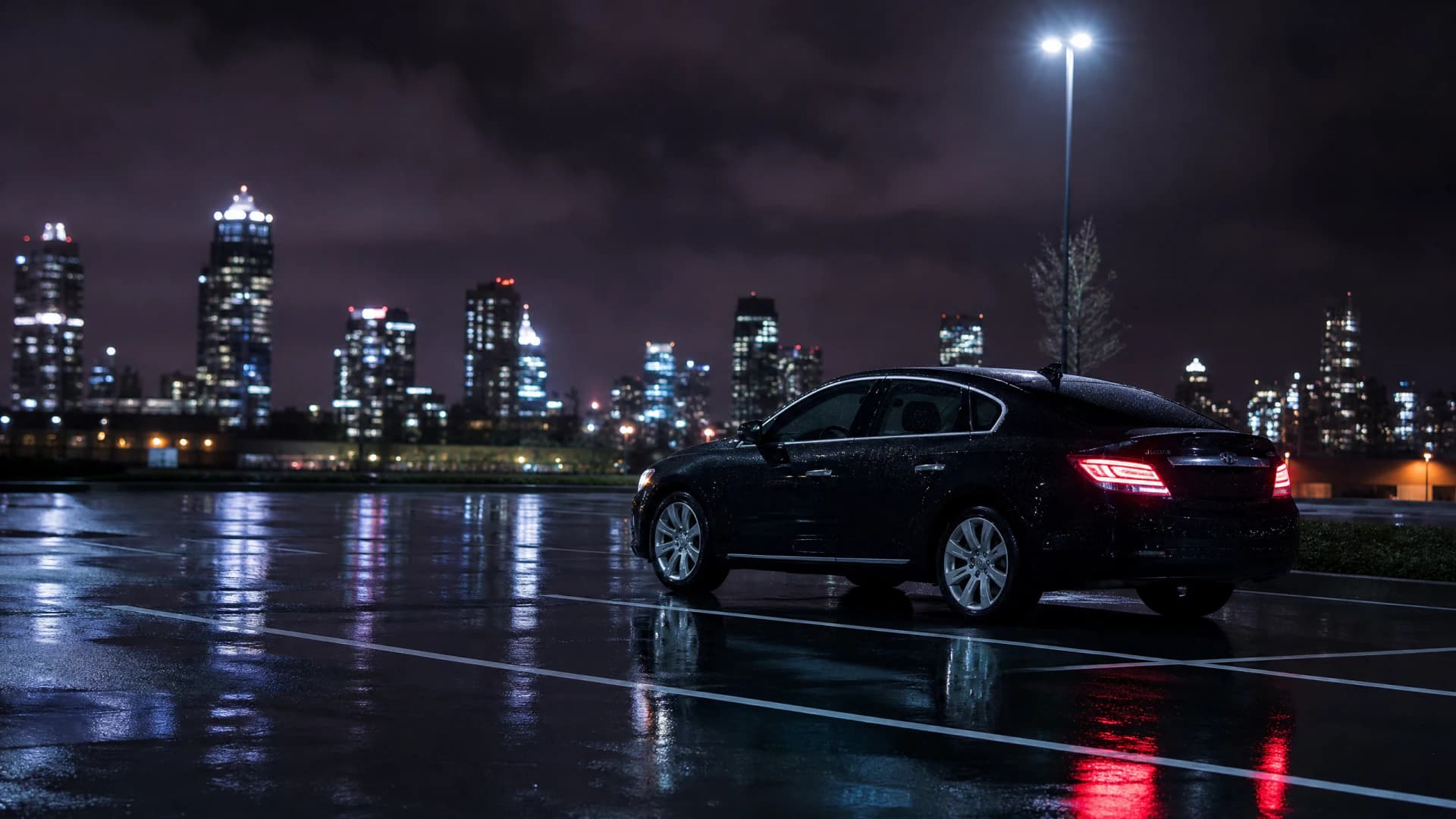
The multi-car discount requires every vehicle on the same policy, often at the same garaging address. A vehicle titled to someone outside your household may not qualify.






When Combining Policies Costs More
Combining policies does not always lower cost. If one household member has a DUI conviction, a suspended license, or multiple at-fault accidents, adding that driver to your policy can raise the entire household's premium more than the multi-car discount saves. In that case, keeping the high-risk driver on a separate non-standard policy and the other vehicles on a standard policy may cost less overall.
The same applies when one vehicle is a classic car, a rarely-driven vehicle, or a vehicle used for business. Carriers often require separate policies for these vehicles because the risk profile is different. Forcing them onto a household policy can raise the premium for every vehicle on the policy.
The decision is not automatic. You compare the combined-policy premium against the sum of two separate policies. If the combined premium is lower, you combine. If it's higher, you keep them separate. The multi-car discount is a factor, not a rule.
9.4%
South Dakota Uninsured Motorist Rate
Nearly one in ten South Dakota drivers is uninsured. Uninsured motorist coverage is mandatory in South Dakota and protects you when an at-fault driver has no insurance. This coverage applies to every vehicle on your policy.
Insurance Information Institute, 2023

Coverage Levels Across Multiple Vehicles
You do not have to carry the same coverage on every vehicle. South Dakota requires liability and uninsured motorist coverage on every vehicle, but collision and comprehensive are optional. If you own a newer vehicle and an older vehicle, you might carry full coverage on the newer car and liability-only on the older one. The carrier rates each vehicle separately for collision and comprehensive, so dropping those coverages on one vehicle lowers that vehicle's portion of the premium without affecting the others.
The same applies to deductibles. You can choose a $500 deductible on one vehicle and a $1,000 deductible on another. Higher deductibles lower the premium for that vehicle. This flexibility lets you structure coverage based on each vehicle's value and your tolerance for out-of-pocket cost at claim time.
Compare Carriers That Write Multi-Vehicle Policies in South Dakota
South Dakota has 19 carriers writing auto insurance in the state. Not all of them offer the same multi-car discount structure. Allstate, American Family, Farmers, Geico, Liberty Mutual, Nationwide, Progressive, State Farm, and USAA all write multi-vehicle policies in South Dakota. Bristol West, Dairyland, National General, and The General write non-standard policies and also offer multi-car discounts, though their base rates and discount structures differ from standard carriers.
The only way to see which carrier saves you the most is to compare quotes with every vehicle included. Use the comparison tool on this site to see quotes from multiple carriers at once. Enter every vehicle you want to insure, the drivers who will use them, and the coverage levels you want. The tool returns quotes structured for your household's actual situation, not generic estimates.
How Multi-Vehicle Policies Are Structured
When you combine two vehicles on one policy, the carrier rates both vehicles together. The discount typically reduces the combined premium, but the amount varies by carrier. Some carriers apply a percentage discount to the second vehicle's premium; others reduce the base rate for both vehicles. The discount structure is not standardized across carriers, so comparing quotes from multiple carriers is the only way to see which structure saves you more.
Adding a third or fourth vehicle follows the same pattern. Each additional vehicle re-rates the entire policy. The multi-car discount grows with each vehicle, but so does the complexity. If one vehicle has a high-risk driver assigned to it, that driver's rate affects the entire policy. If one vehicle is a high-value car that requires comprehensive and collision coverage, that coverage cost applies to that vehicle alone, not to the others.
Get Your Free Quote
Get My South Dakota Car Insurance QuoteFrequently Asked Questions
Does South Dakota require the same coverage on every vehicle I own?
South Dakota requires liability and uninsured motorist coverage on every registered vehicle. Collision and comprehensive are optional. You can carry full coverage on one vehicle and liability-only on another.
Can I insure two vehicles on one policy if they are titled to different people?
Most carriers require every vehicle on the policy to be titled to the policyholder or a household member living at the same address. A vehicle titled to someone outside your household typically requires a separate policy.
How does adding a second vehicle change my premium in South Dakota?
Adding a second vehicle re-rates your entire policy. The carrier recalculates the premium based on both vehicles, the drivers who have access to them, and the coverage levels you choose. The multi-car discount applies to the combined premium.
What is South Dakota's minimum liability insurance requirement?
$25,000 bodily injury per person, $50,000 bodily injury per accident, and $25,000 property damage. Uninsured motorist coverage is also mandatory. These minimums apply to every vehicle you insure in South Dakota.
Does combining two policies always save money?
No. If one household member has a high-risk driving record, adding that driver to your policy can raise the premium more than the multi-car discount saves. Compare the combined-policy premium against two separate policies to see which costs less.
Can I have different deductibles on different vehicles?
Yes. You can choose a different deductible for each vehicle. A higher deductible lowers the premium for that vehicle without affecting the others on your policy.