
Progressive Multi-Car Insurance — South Dakota
Free to compare
Progressive Writes Multi-Car Policies in South Dakota
You own two or more vehicles and want to know if Progressive can insure all of them on one policy in South Dakota. Progressive does write multi-car policies in the state and offers a multi-vehicle discount when every car sits on the same policy. The discount applies to the policy, not to individual vehicles, so combining coverage usually lowers your total premium compared to separate policies for each car.
The structural reality: Progressive's multi-vehicle discount requires every vehicle to be listed on the same policy and typically garaged at the same address. A car titled to a household member on a different policy, or a vehicle garaged at a second address, may not qualify for the same-policy discount. Understanding these requirements before you combine policies prevents surprises when you request a quote.
“A vehicle titled to someone outside the household or garaged at a different address may not qualify for the multi-vehicle discount, even if it sits on the same policy.”

Check Your Rate Against Other South Dakota Drivers
Get My South Dakota Car Insurance Quote19
Carriers Writing Multi-Car SD
Nineteen carriers write auto insurance in South Dakota, including Progressive. Not all offer the same multi-vehicle discount structure or same-policy requirements, so comparing carriers that write your household's vehicles is the clearest path to the best fit.
South Dakota Department of Labor and Regulation, Division of Insurance
Same-Policy Requirement and Garaging Rules
Progressive's multi-vehicle discount applies when every car you want to insure sits on the same policy. A vehicle titled to someone outside the household, or a car on a separate policy even within the same household, does not count toward the discount. This is the most common structural blocker households hit when they assume combining policies automatically qualifies every vehicle.
Garaging address matters. Progressive typically requires every vehicle on the policy to be garaged at the same address. A car parked at a second home, a college student's vehicle garaged out of state, or a work vehicle stored at a different location may not qualify for the multi-vehicle discount even if it sits on the same policy. Verify garaging requirements with Progressive before adding a vehicle to avoid re-rating surprises.
South Dakota requires minimum liability limits of $25,000 per person, $50,000 per accident for bodily injury, and $25,000 for property damage. Progressive writes policies that meet or exceed these minimums. When you add a vehicle to an existing policy, the carrier re-rates the entire policy rather than simply adding a flat amount, so your total premium changes based on every vehicle's risk profile.
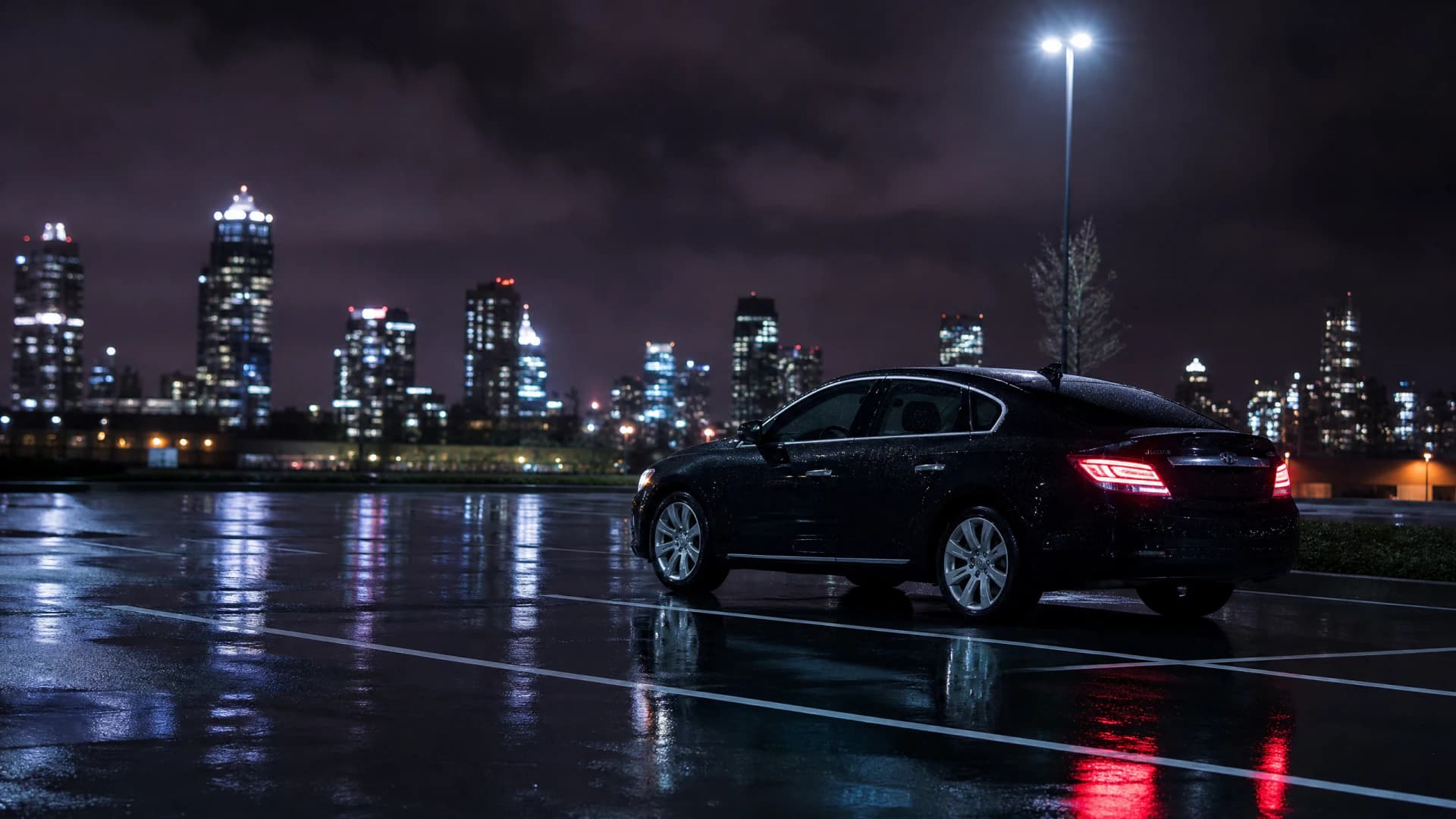
A vehicle titled to someone outside the household or garaged at a different address may not qualify for Progressive's multi-vehicle discount, even if it sits on the same policy.
Related Articles

Best Car Insurance for Multiple Vehicles SD
7/15/2026
Progressive Multi-Car Insurance South Dakota
7/15/2026
Best Cheap Multi-Car Insurance — South Dakota
7/15/2026
State Farm Multi-Car Insurance South Dakota
7/15/2026

State Farm Multi-Car Rates South Dakota
7/15/2026
Geico Multi-Car Insurance South Dakota
7/15/2026

When Separate Policies Cost Less Than Combining
Combining policies does not always lower your total premium. A household with one high-risk vehicle and several low-risk vehicles may pay more when all cars sit on the same policy, because the high-risk vehicle raises the base rate for the entire policy. A teen driver's car, a vehicle with a recent at-fault claim, or a car driven by someone with a DUI conviction can push the combined policy premium higher than the sum of separate policies.
Progressive writes policies for high-risk drivers, but the multi-vehicle discount may not offset the higher base rate. Compare a combined policy to separate policies for each vehicle, especially when one vehicle or driver carries significantly higher risk than the others. A smaller discount on a higher base rate can cost more than a larger discount on a lower one.
South Dakota requires uninsured motorist coverage, which adds to the policy premium for every vehicle. When you combine policies, the uninsured motorist coverage applies to the entire policy, not per vehicle. This structure usually lowers the total cost compared to separate policies, but verify the combined premium before you commit.
$25,000 / $50,000 / $25,000
SD Minimum Liability Limits
South Dakota requires minimum liability coverage of $25,000 per person, $50,000 per accident for bodily injury, and $25,000 for property damage. Progressive writes policies that meet or exceed these minimums, and adding vehicles to a policy does not change the per-vehicle liability requirement.
South Dakota Codified Laws § 32-35
Comparing Progressive to Other South Dakota Carriers
Progressive is one of nineteen carriers writing auto insurance in South Dakota. Other carriers that write multi-car policies in the state include State Farm, Geico, Allstate, American Family, Farmers, Nationwide, and Dairyland. Each carrier applies its own multi-vehicle discount structure, same-policy requirements, and garaging rules, so the carrier that offers the best rate for one household may not be the best fit for another.
State Farm and American Family write multi-car policies in South Dakota and offer multi-vehicle discounts with similar same-policy requirements. Geico and Farmers also write multi-car policies and allow online quotes, making them easy to compare alongside Progressive. Dairyland writes non-standard auto insurance and may offer competitive rates for households with high-risk vehicles, though the multi-vehicle discount structure differs from standard carriers.
Request Quotes for Every Vehicle on One Policy
The clearest path forward: request quotes from Progressive and at least two other carriers that write multi-car policies in South Dakota, listing every vehicle you want to insure on the same policy. Provide the same coverage limits, deductibles, and driver information to each carrier so you compare equivalent policies. The multi-vehicle discount applies only when every vehicle sits on the same policy, so request combined-policy quotes rather than separate quotes for each car.
Verify garaging requirements and same-policy rules with each carrier before you commit. A vehicle garaged at a second address or titled to someone outside the household may disqualify the multi-vehicle discount, even if the carrier writes the policy. Compare the combined policy premium to the sum of separate policies to confirm combining saves money in your specific situation. South Dakota does not cap the number of vehicles you can insure on one policy, so households with three or more vehicles can structure coverage the same way as households with two.
Adding a Vehicle Mid-Term Re-Rates Your Policy
Progressive calculates the multi-vehicle discount at the policy level. Adding a second or third vehicle triggers a full re-rating: the carrier evaluates every vehicle's year, make, model, garaging ZIP code, and how each driver in the household uses each car. A newer vehicle with higher replacement cost, or a car driven by a younger household member, raises the policy premium more than an older vehicle with lower coverage limits.
The multi-vehicle discount partially offsets the added premium, but it does not eliminate it. A household adding a third vehicle often sees a smaller total premium increase than they would pay for a standalone policy on that vehicle, but the increase is still real. Compare the re-rated policy premium to the cost of a separate policy for the new vehicle to confirm combining saves money in your specific situation.
Get Your Free Quote
Get My South Dakota Car Insurance QuoteFrequently Asked Questions
Does Progressive offer a multi-car discount in South Dakota?
Yes. Progressive offers a multi-vehicle discount in South Dakota when every vehicle sits on the same policy. The discount applies to the policy, not to individual vehicles, so combining coverage usually lowers your total premium compared to separate policies for each car.
Can I add a vehicle garaged at a different address to my Progressive policy?
Progressive typically requires every vehicle on the policy to be garaged at the same address. A car garaged at a second home or a different location may not qualify for the multi-vehicle discount even if it sits on the same policy. Verify garaging requirements with Progressive before adding the vehicle.
How does adding a vehicle mid-term change my Progressive premium?
Adding a vehicle to an existing Progressive policy triggers a full re-rating. The carrier evaluates every vehicle's combined risk profile and recalculates the policy premium rather than adding a flat per-vehicle charge. The multi-vehicle discount partially offsets the added premium but does not eliminate it.
Is Progressive the cheapest multi-car insurance in South Dakota?
Not necessarily. Nineteen carriers write multi-car policies in South Dakota, and the carrier that offers the best rate for one household may not be the best fit for another. Compare quotes from Progressive, State Farm, Geico, and at least one other carrier listing every vehicle on the same policy to find the best rate for your situation.
Do I need uninsured motorist coverage on a multi-car policy in South Dakota?
Yes. South Dakota requires uninsured motorist coverage on every auto insurance policy. When you combine vehicles on one policy, the uninsured motorist coverage applies to the entire policy, not per vehicle, which usually lowers the total cost compared to separate policies.