
Best Cheap Car Insurance Companies — South Dakota
Free to compare
Finding Multi-Car Coverage in South Dakota
You own two or more vehicles in South Dakota and you need to know which carriers will insure them on one policy, how the multi-car discount actually works, and whether your household structure qualifies. The carrier you choose determines whether you capture the discount or pay full rate for every car.
Nineteen carriers write auto insurance in South Dakota, and their multi-car discount rules are not identical. Some require every vehicle garaged at the same address. Others allow vehicles titled to different household members only if those members live together. A few will not write a multi-car policy at all if one vehicle is a commercial-use truck or a classic car driven fewer than 3,000 miles per year. The structural decision—which carrier, which policy structure—happens before you ever see a quote, and getting it wrong means you lose the discount entirely.
“The carrier with the lowest single-car rate is not always the carrier with the lowest multi-car rate, because discount structures and base-rate calculations differ.”
Check Your Rate Against Other South Dakota Drivers
Get My South Dakota Car Insurance Quote19 carriers
South Dakota Auto Insurers
Nineteen carriers are licensed to write auto insurance in South Dakota, including standard-tier carriers like State Farm and Allstate, non-standard carriers like Dairyland and The General, and preferred-tier carriers like USAA and Amica. Not all write multi-car policies for every household configuration.
South Dakota Division of Insurance carrier licensing data
What the Multi-Car Discount Actually Requires
The multi-car discount applies when you insure two or more vehicles on the same policy. That sounds simple, but the structural reality is more specific: the discount requires every vehicle to sit on one policy, issued by one carrier, under one named insured. If you and your spouse each carry a separate policy—even with the same carrier—you do not qualify for the multi-car discount. The policies must merge.
Most carriers also require every vehicle to be garaged at the same address. A vehicle garaged at a second home, a college student's apartment, or a work parking lot may disqualify the entire policy from the discount. Some carriers allow an exception for a dependent child away at school if the student remains on the parent's policy and the vehicle is titled to the parent. Others do not.
A vehicle titled to someone outside your household—a parent, an adult child who moved out, a business partner—cannot be added to your policy in most cases, and if the carrier allows it at all, the multi-car discount typically will not apply to that vehicle. The same-policy requirement is structural, not cosmetic.
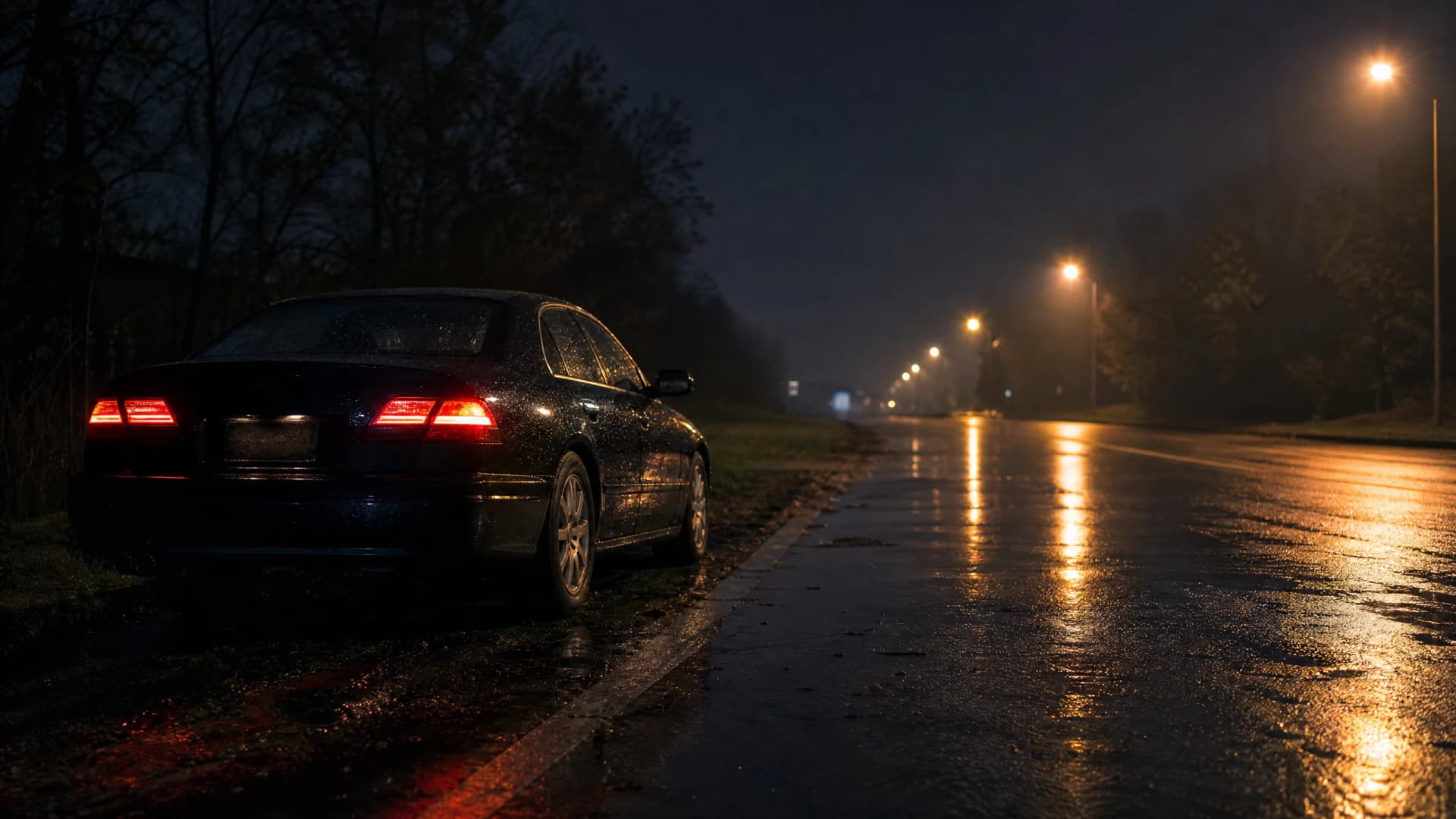
If your vehicles are garaged at different addresses or titled to people in different households, the multi-car discount will not apply—even if you own both cars.
Related Articles
Best Car Insurance for Multiple Vehicles SD
7/15/2026

Cheapest Multi-Car Insurance — South Dakota
7/15/2026
State Farm Multi-Car Insurance South Dakota
7/15/2026
State Farm Multi-Car Rates South Dakota
7/15/2026
Best Full Coverage for Multiple Cars SD
7/15/2026

Progressive Multi-Car Insurance South Dakota
7/15/2026
Non-Standard Carriers and Multi-Car Policies
Non-standard carriers like Dairyland, Bristol West, The General, and National General write multi-car policies for households that preferred and standard carriers decline: drivers with multiple violations, a DUI, a suspended license reinstatement, or no prior insurance history. These carriers write multi-car policies, but the discount structure is different. Instead of a percentage discount applied to the total premium, non-standard carriers often reduce the per-vehicle base rate when you add a second or third car. The savings appear in the quote, but they are not labeled as a multi-car discount.
Non-standard carriers are more likely to allow vehicles titled to different household members on the same policy, and they rarely enforce a same-garaging-address rule. If your household includes a driver with a recent violation and a driver with a clean record, a non-standard carrier may be the only option that writes both drivers on one policy. The trade-off: the base rate is higher than a standard-tier carrier, even with the multi-car structure.
Bristol West, Dairyland, and The General all write non-owner policies in South Dakota, which means they can add a vehicle to a policy even when the named insured does not own a car. This matters for households where one driver owns multiple vehicles but another driver in the household needs coverage. A non-owner policy for the second driver, combined with a multi-car policy for the vehicle owner, can sometimes produce a lower combined premium than adding the second driver to the vehicle owner's policy.
National General writes multi-car policies for households with mixed risk profiles—one clean driver, one driver with points or a recent claim—and structures the policy so the higher-risk driver's surcharge does not apply to every vehicle. This is rare among standard-tier carriers, which typically apply the highest-risk driver's rate to the entire policy.
$25,000 / $50,000 / $25,000
South Dakota Minimum Liability
South Dakota requires minimum liability coverage of $25,000 per person for bodily injury, $50,000 per accident for bodily injury, and $25,000 per accident for property damage. Every vehicle on a multi-car policy must carry at least these limits, and most carriers require you to carry the same liability limit on every vehicle.
South Dakota Codified Laws 32-35
How Adding a Vehicle Re-Rates Your Policy
When you add a second or third vehicle to an existing policy, the carrier re-rates the entire policy. The multi-car discount applies, but so does a new base rate calculation that accounts for the additional vehicle's make, model, year, garaging ZIP code, and primary driver. A newer vehicle with comprehensive and collision coverage will raise your total premium more than an older vehicle with liability-only coverage, even after the multi-car discount.
Most carriers calculate the multi-car discount as a percentage reduction applied to each vehicle's base rate, not to the total policy premium. If your first vehicle's base rate is higher than your second vehicle's base rate, the discount saves you more on the first vehicle than on the second. A smaller discount on a lower base rate can produce a lower total cost than a larger discount on a higher base rate, which is why comparing carriers matters even when every carrier offers a multi-car discount.
Structuring Coverage for Your Household
If you and your spouse each carry a separate policy and you want to combine them into one multi-car policy, contact the carrier that writes the lower of the two premiums and ask for a multi-car quote that includes both vehicles. Do this before your next renewal date. Combining policies mid-term triggers a re-rating on both policies, and you may owe a short-rate cancellation penalty on the policy you cancel. Timing the combination to coincide with one policy's renewal avoids the penalty.
If you are adding a third or fourth vehicle to an existing two-car policy, confirm with your carrier that the multi-car discount applies to all vehicles, not just the first two. Some carriers cap the discount at two vehicles. Others apply a smaller discount to the third and fourth vehicles. If your carrier caps the discount, compare the total premium against a competitor that applies the discount to every vehicle.
If one vehicle in your household is titled to someone who does not live with you—an adult child, a parent, a business partner—that vehicle cannot go on your policy in most cases. The titled owner must carry their own policy. If the titled owner lives with you but the vehicle is registered at a different address, some carriers will add it to your policy but exclude it from the multi-car discount. Others will decline to add it at all. Ask before you buy the vehicle.
South Dakota requires uninsured motorist coverage on every auto policy unless you reject it in writing. When you structure a multi-car policy, the uninsured motorist limit applies per accident, not per vehicle. If you carry $25,000 per person in uninsured motorist coverage and two of your vehicles are involved in the same accident, the $25,000 limit covers both vehicles combined.

Compare Carriers That Write Your Household
Nineteen carriers write auto insurance in South Dakota, but not all of them write multi-car policies for your household's specific configuration. Start by identifying which carriers write policies for every driver and every vehicle in your household. Then compare quotes from at least three carriers in that group. The carrier with the lowest single-car rate is not always the carrier with the lowest multi-car rate, because discount structures and base-rate calculations differ.
Use the South Dakota car insurance requirements page to confirm your state's minimum liability limits and uninsured motorist rules before you request quotes. Carriers quote the state minimum by default, but that minimum may not be enough coverage for a household with multiple vehicles and significant assets. The incremental cost on a multi-car policy is smaller than on a single-car policy because the higher limit applies to the entire policy, not to each vehicle separately.
Which Carriers Write Multi-Car Policies in South Dakota
Preferred-tier carriers like State Farm, USAA, and Amica write multi-car policies for households with clean driving records, good credit, and no recent claims. These carriers typically offer the largest multi-car discount—but they also enforce the strictest same-garaging-address rule. If one vehicle is garaged elsewhere, the discount disappears. USAA restricts eligibility to military members and their families, so most South Dakota households cannot access it even if they qualify on driving record.
Standard-tier carriers like Allstate, Farmers, Geico, and Progressive write multi-car policies for a broader range of households, including drivers with one or two violations, moderate credit, or a recent at-fault claim. Their multi-car discount is typically smaller than preferred-tier carriers, but their same-policy requirements are more flexible. Progressive and Geico, for example, allow a vehicle garaged at a college address if the student is listed on the policy and the vehicle is titled to a parent. Farmers and Allstate require the same garaging address in most cases but allow exceptions for military deployment or a temporary work assignment.
Get Your Free Quote
Get My South Dakota Car Insurance QuoteFrequently Asked Questions
Do all South Dakota car insurance carriers offer a multi-car discount?
Most carriers licensed in South Dakota offer a multi-car discount, but the discount structure and same-policy requirements differ by carrier. Preferred-tier carriers like State Farm and Amica typically offer the largest discount but enforce strict same-garaging-address rules. Non-standard carriers like Dairyland and Bristol West reduce the per-vehicle base rate instead of applying a labeled discount, and they allow more flexible household configurations.
Can I combine two separate policies into one multi-car policy in South Dakota?
Yes, you can combine two separate policies into one multi-car policy by contacting the carrier that writes the lower premium and requesting a multi-car quote for both vehicles. Time the combination to coincide with one policy's renewal date to avoid a short-rate cancellation penalty on the policy you cancel. The carrier will re-rate both vehicles and apply the multi-car discount to the combined policy.
Does the multi-car discount apply if my vehicles are garaged at different addresses?
Most South Dakota carriers require every vehicle on a multi-car policy to be garaged at the same address for the discount to apply. Some carriers allow an exception for a dependent child away at college if the student remains on the parent's policy and the vehicle is titled to the parent. If your vehicles are garaged at different addresses for any other reason, the multi-car discount typically will not apply.
What is South Dakota's minimum car insurance requirement for multiple vehicles?
South Dakota requires minimum liability coverage of $25,000 per person for bodily injury, $50,000 per accident for bodily injury, and $25,000 per accident for property damage on every vehicle. When you insure multiple vehicles on one policy, each vehicle must carry at least these limits. South Dakota also requires uninsured motorist coverage unless you reject it in writing, and that limit applies per accident, not per vehicle.
Can I add a vehicle titled to someone else to my South Dakota multi-car policy?
Most carriers will not add a vehicle titled to someone outside your household to your multi-car policy. If the titled owner lives with you, some carriers will add the vehicle but exclude it from the multi-car discount. Others will decline to add it at all. If the vehicle is titled to a household member who lives elsewhere, that person must carry their own separate policy.
Which South Dakota carriers write multi-car policies for high-risk drivers?
Non-standard carriers like Dairyland, Bristol West, The General, and National General write multi-car policies for South Dakota drivers with violations, DUIs, suspended license reinstatements, or no prior insurance history. These carriers reduce the per-vehicle base rate when you add a second or third car, and they allow more flexible household configurations than preferred or standard-tier carriers.