
Cheapest Minimum Coverage Car Insurance — South Dakota
Free to compare
Why Multi-Car Minimum Coverage Costs More Than You Expect
You own two or more vehicles in South Dakota and want the cheapest legal coverage for all of them. You assume buying separate minimum policies for each car keeps costs low. That assumption costs you money every month because the multi-car discount — the single biggest savings lever for households with multiple vehicles — only applies when every car sits on the same policy.
South Dakota law requires $25,000 bodily injury per person, $50,000 bodily injury per accident, $25,000 property damage, and uninsured motorist coverage on every registered vehicle. Meeting those minimums across three cars on three separate policies means paying three separate base rates with no discount. One policy covering all three vehicles applies the multi-car discount to the combined premium, lowering your total cost while meeting the same state requirements.
“The multi-car discount only applies when every vehicle sits on one policy with the same garaging address.”
Check Your Rate Against Other South Dakota Drivers
Get My South Dakota Car Insurance Quote$25,000/$50,000/$25,000
South Dakota Minimum Liability
Every vehicle registered in South Dakota must carry at least $25,000 bodily injury per person, $50,000 bodily injury per accident, and $25,000 property damage. Uninsured motorist coverage is also mandatory.
South Dakota Department of Public Safety
The Same-Policy Requirement Most Households Miss
The multi-car discount is not automatic when you own multiple vehicles. It triggers only when every vehicle you insure appears on a single auto insurance policy, issued by the same carrier, under the same policy number. If you bought your first car and started a policy, then bought a second car and started a separate policy because you didn't know you could add it, you're paying two full base rates with no discount applied to either one.
Carriers calculate the discount as a percentage reduction applied to the combined premium after rating all vehicles together. The discount exists because insuring multiple vehicles under one policy reduces the carrier's administrative cost per vehicle and consolidates risk. That savings only materializes when the policy structure allows it. Two policies mean two separate underwriting files, two renewal cycles, two billing streams, and no discount.
Most carriers in South Dakota require that all vehicles on the policy share the same garaging address. If you own a car garaged at your primary residence and a second vehicle garaged at a vacation property or a college student's dorm, the carrier may not allow both on the same policy. In that case, the multi-car discount does not apply, and you pay separate base rates for each location.
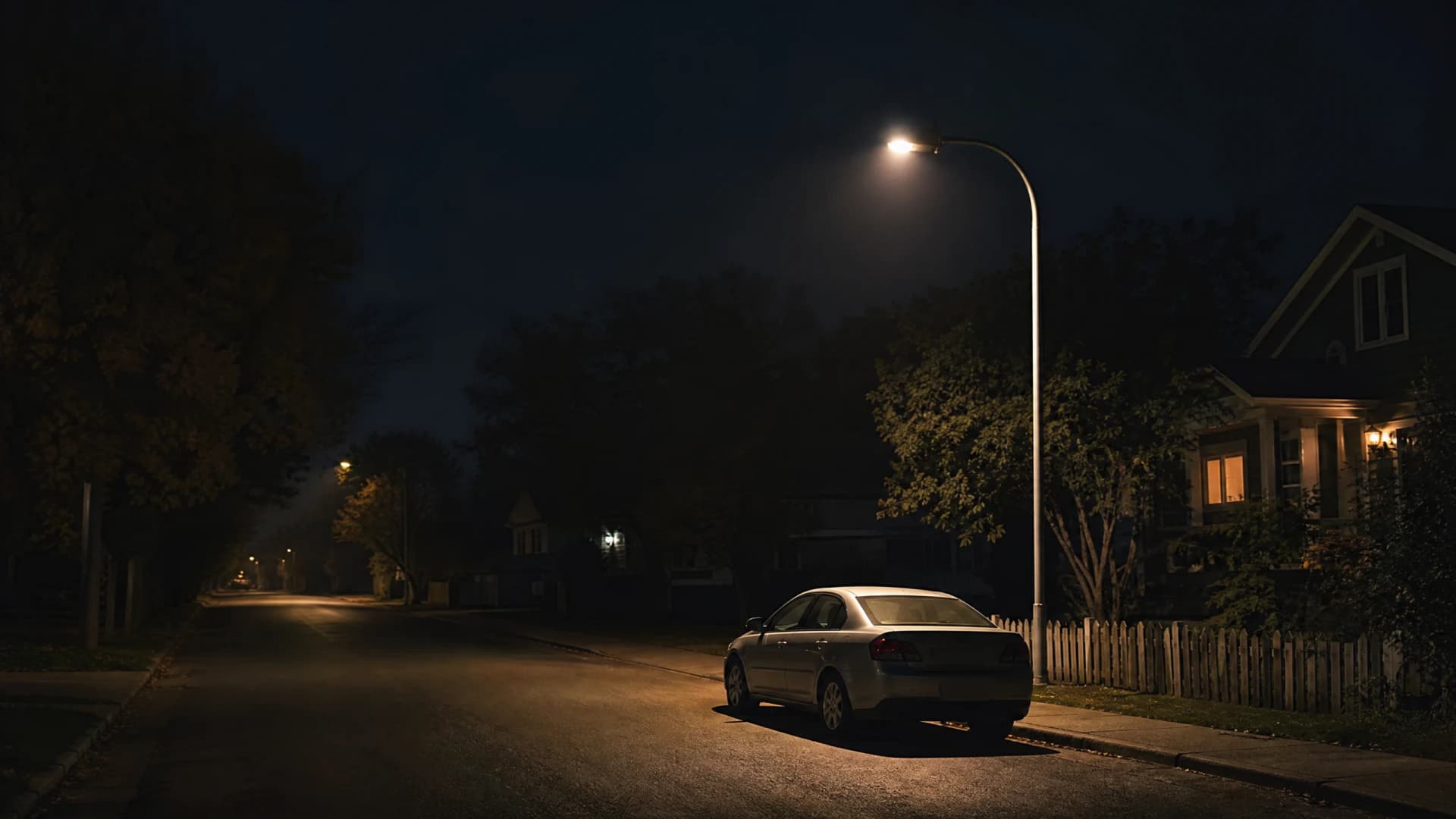
The multi-car discount only applies when every vehicle sits on one policy with the same garaging address. Separate policies mean separate base rates and no discount.




What Happens When You Add a Vehicle Mid-Term
Adding a vehicle to your existing policy mid-term does not simply add a flat monthly charge to your current bill. The carrier re-rates the entire policy, recalculating the premium for every vehicle based on the new multi-car discount tier. If you currently insure one vehicle and add a second, your premium for the first vehicle may drop slightly because the multi-car discount now applies to both. The total premium increases because you're insuring an additional vehicle, but the per-vehicle cost decreases.
Carriers in South Dakota typically provide a grace period — often 14 to 30 days — during which a newly purchased vehicle is automatically covered under your existing policy at the same coverage level as your other vehicles. You must report the new vehicle to the carrier within that window to formalize the addition and adjust your premium. If you miss the grace period and do not report the vehicle, the carrier can deny a claim on that vehicle even if you thought it was covered.
When you add a vehicle mid-term, the carrier prorates the additional premium from the date you add the vehicle to the end of your current policy term. At renewal, the full annual premium for all vehicles reflects the multi-car discount applied to the combined risk. If the added vehicle significantly changes your risk profile — for example, adding a high-performance car to a policy that previously covered only sedans — the carrier may adjust your base rate upward for all vehicles, not just the new one.
19 carriers
South Dakota Multi-Car Options
Nineteen carriers write auto insurance in South Dakota, including Allstate, American Family, Geico, Progressive, State Farm, and USAA. Not all offer the same multi-car discount structure, so comparing quotes across carriers is essential.
South Dakota Department of Labor and Regulation
Comparing Carriers for Multi-Vehicle Minimum Coverage
The cheapest carrier for a single-vehicle minimum policy is not always the cheapest for a multi-vehicle policy. Carriers weight the multi-car discount differently, and some apply it more aggressively to minimum-coverage policies than to full-coverage policies. Request quotes from at least three carriers, providing identical vehicle and driver information to each. Compare the total annual premium for all vehicles combined, not the per-vehicle breakdown, because the discount applies to the combined total.
Carriers in South Dakota that write non-standard and high-risk policies — including Bristol West, Dairyland, National General, and The General — often offer competitive multi-car rates for households with violations or lapses in coverage history. If your household includes a driver with a DUI, suspended license, or multiple at-fault accidents, these carriers may quote lower combined premiums than standard-market carriers even after applying the multi-car discount. Do not assume a standard carrier like State Farm or Allstate will always be cheaper for minimum coverage just because they dominate the preferred-risk market.
Compare Multi-Car Minimum Quotes in South Dakota
You now understand that the multi-car discount requires every vehicle on one policy, that adding a vehicle mid-term re-rates your entire policy, and that the cheapest single-vehicle carrier is not always the cheapest for multiple vehicles. The next step is to request quotes from carriers that write multi-vehicle policies in South Dakota, providing identical information to each so you can compare total combined premiums accurately. Use the comparison tool on this site to request quotes from multiple carriers at once, or contact carriers directly to confirm their multi-car discount structure and same-policy requirements before committing.
How to Structure Your Multi-Car Minimum Policy
Call your current carrier and ask to add the second vehicle to your existing policy, not start a new one. Provide the VIN, title information, and garaging address for the vehicle you're adding. The carrier will re-rate your policy to include both vehicles and apply the multi-car discount to the combined premium. If you already have two separate policies with the same carrier, ask to consolidate them into one policy. The carrier can usually do this at renewal or mid-term, depending on your state and their underwriting rules.
If you're shopping for a new policy to cover multiple vehicles, request a quote for all vehicles on one policy from the start. Provide the VIN and driver information for every vehicle and every licensed household member. The quote you receive will reflect the multi-car discount applied to the combined premium. Compare that total to your current separate-policy costs to see the actual savings. Do not assume the discount percentage is the same across carriers — one carrier's smaller discount on a lower base rate can cost less than another carrier's larger discount on a higher base rate.
Get Your Free Quote
Get My South Dakota Car Insurance QuoteFrequently Asked Questions
Does South Dakota require the same coverage on every vehicle on a multi-car policy?
No. South Dakota requires every vehicle to meet the state minimum liability limits of $25,000/$50,000/$25,000 plus uninsured motorist coverage, but you can structure different coverage levels for different vehicles on the same policy. You might carry liability-only on an older car and full coverage on a financed vehicle, both on the same policy, and still receive the multi-car discount on the combined premium.
Can I get the multi-car discount if I own three vehicles but only drive two regularly?
Yes, as long as all three vehicles sit on the same policy. Carriers do not require that every vehicle be driven daily to qualify for the multi-car discount. If one vehicle is rarely driven, you can reduce its coverage to liability-only to lower the premium while keeping it on the same policy to preserve the discount for all three vehicles.
What happens to my multi-car discount if I sell one of my vehicles?
When you remove a vehicle from your policy, the carrier re-rates the remaining vehicles and adjusts the multi-car discount tier. If you drop from three vehicles to two, you still receive the multi-car discount, but the percentage may be smaller because the discount typically increases with the number of vehicles insured. Your premium decreases overall because you're insuring fewer vehicles, but the per-vehicle cost may rise slightly.
Do all South Dakota carriers offer the same multi-car discount percentage?
No. Multi-car discount percentages vary by carrier, and some carriers apply the discount more aggressively to minimum-coverage policies than others. State Farm, Geico, Progressive, and American Family all write multi-car policies in South Dakota, but their discount structures differ. Request quotes from multiple carriers to compare total combined premiums, not just the advertised discount percentage.
Can I add a vehicle to my policy if it's titled to someone else in my household?
Most carriers allow you to add a vehicle titled to a household member to your policy as long as that person is listed as a driver on the policy and the vehicle is garaged at the same address. If the vehicle is titled to someone outside your household or garaged at a different address, the carrier may require a separate policy, and the multi-car discount will not apply.