
Car Impoundment for No Insurance — South Dakota
Free to compare
What Happens When You're Stopped Without Insurance
You're pulled over in South Dakota, and when the officer asks for proof of insurance, you realize you don't have it. The immediate question: will your car be towed right now? South Dakota law does not mandate vehicle impoundment solely because you lack insurance at the traffic stop. The penalty for driving without insurance is a license suspension ranging from 30 to 365 days and a citation, but the statute does not require the officer to impound your vehicle on the spot.
That does not mean your car is safe. Officers have separate authority to impound a vehicle when the driver cannot legally continue operating it. If your license is already suspended, if you cannot produce a valid license at all, or if no one else at the scene holds a valid license and can legally drive the car away, the officer can order the vehicle towed under general impoundment authority. The lack of insurance triggers the suspension, but the tow happens because you cannot legally drive.
“South Dakota does not mandate impoundment for lack of insurance alone, but officers can tow when the driver cannot legally continue operating the vehicle.”

Check Your Rate Against Other South Dakota Drivers
Get My South Dakota Car Insurance Quote30–365 days
SD Uninsured Driver Suspension
South Dakota suspends your driving privilege for 30 to 365 days when you're caught driving without insurance. The suspension begins immediately upon citation, and you must file SR-22 proof of insurance for three years to reinstate.
SD Department of Public Safety, Driver Licensing Division
The Structural Reality of South Dakota Impoundment Law
South Dakota does not treat uninsured driving as an impoundable offense by itself. The state's uninsured-motorist statute (SDCL 32-35) imposes a license suspension and requires SR-22 filing for three years, but it does not grant officers authority to seize the vehicle. Impoundment authority comes from a different legal channel: the officer's discretion to remove a vehicle from the roadway when it cannot be legally driven away from the scene.
This distinction matters. If you are stopped without insurance but your license is otherwise valid, and you have a licensed passenger who can drive the car home, the officer will typically issue the citation and allow the passenger to take the wheel. The suspension does not take effect until the court processes the citation. If you are alone, or if your license is already suspended for another reason, or if no one present can legally drive, the car gets towed because leaving it on the roadway is not an option.
The confusion arises because many drivers assume the lack of insurance itself triggers the tow. It does not. The tow happens because the suspension or the absence of a valid license makes continued operation illegal, and the officer cannot leave an undrivable vehicle on the side of the road.

South Dakota officers can impound your car when you cannot legally drive it away, not because you lack insurance. The suspension creates the condition that allows the tow.
Related Articles


How to Avoid Impoundment When Stopped Without Insurance
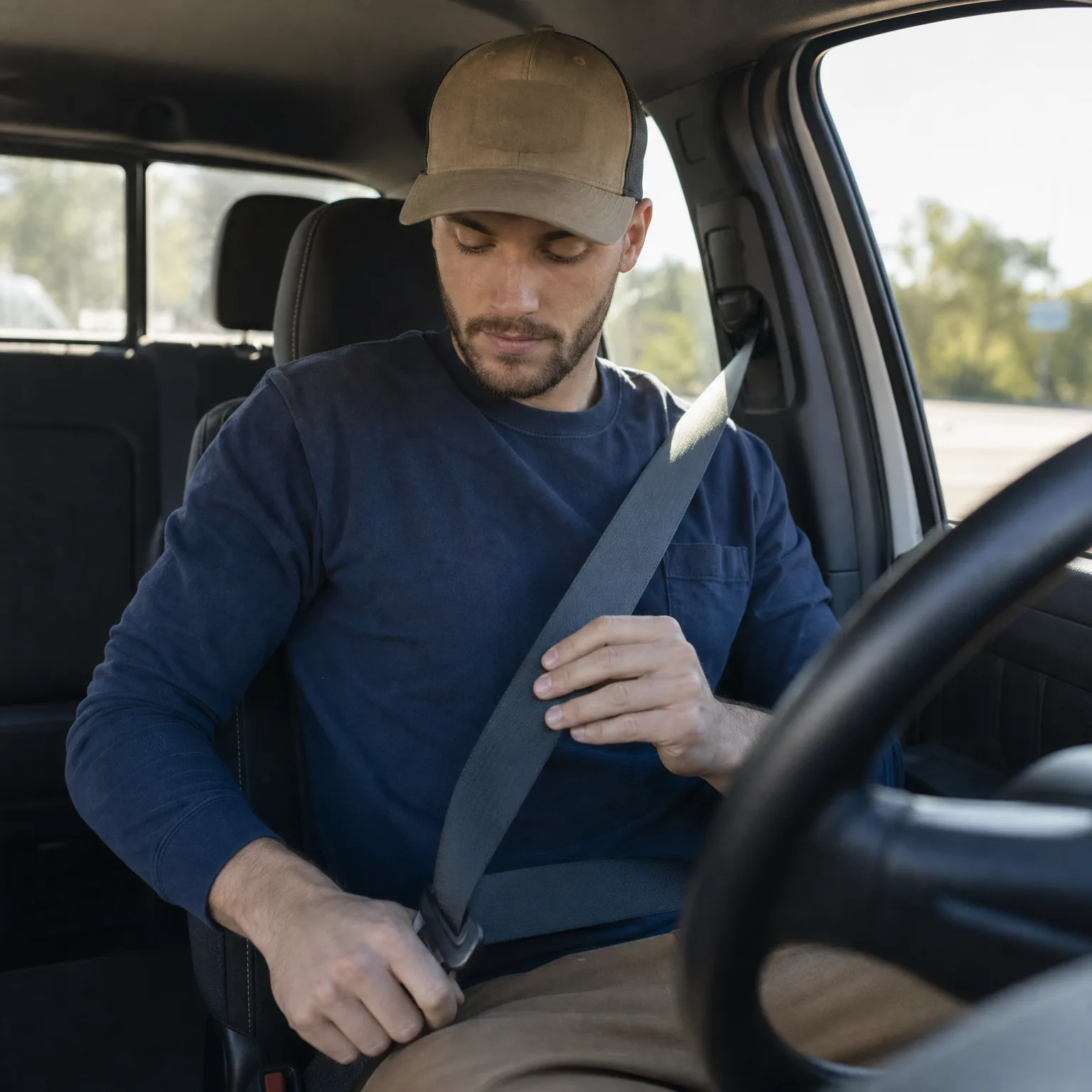
The simplest way to avoid impoundment is to have a licensed passenger in the car when you're stopped. If the officer determines you cannot legally drive, the passenger can take over and drive the vehicle away. This works only if the passenger holds a valid South Dakota license and is legally permitted to drive. A passenger with a suspended license, an out-of-state learner's permit, or no license at all cannot help you.
If you are alone when stopped, ask the officer whether you can call someone to come retrieve the car. Some officers will allow a short wait if a licensed driver can arrive quickly. Others will not, especially if the stop occurs on a busy roadway or at night. If the officer denies the request or if no one can arrive in time, the car will be towed to an impound lot, and you will be responsible for towing and storage fees in addition to the citation and reinstatement costs.
Once your license is suspended for driving without insurance, you cannot legally drive until you reinstate. Reinstatement requires proof of insurance (SR-22 filing) for three years, payment of a $75 reinstatement fee, and resolution of the underlying citation. Driving on a suspended license after the uninsured-driving citation guarantees impoundment at the next stop, because the officer has no discretion to allow continued operation.
$75
SD License Reinstatement Fee
South Dakota charges a $75 reinstatement fee after a suspension for driving without insurance. You must also file SR-22 proof of insurance for three years and resolve the citation before the state will restore your driving privilege.
SD Department of Public Safety
What Happens to Your Car After Impoundment
Once the car is towed, it goes to a contracted impound lot. You will receive a notice listing the lot's address, the daily storage fee, and the towing charge. You are responsible for both, and the lot will not release the vehicle until you pay in full.
To retrieve the car, you must provide proof of ownership (title or registration), valid identification, and payment for all accrued fees. If your license is still suspended, you cannot drive the car away yourself. You must bring a licensed driver to operate the vehicle, or arrange for the car to be towed again to a location where you can store it until your license is reinstated. Some lots will allow you to retrieve personal belongings from the car without paying the full impound fee, but the vehicle itself stays until all charges are settled.
Filing SR-22 and Reinstating Your License
South Dakota requires SR-22 filing for three years after a driving-without-insurance conviction. The SR-22 is not a separate insurance policy; it is a certificate your insurer files with the state to prove you carry at least the minimum required liability coverage: $25,000 per person for bodily injury, $50,000 per accident for bodily injury, and $25,000 for property damage. Not every carrier writes SR-22 policies. Carriers confirmed to file SR-22 in South Dakota include Allstate, American Family, Bristol West, Dairyland, Farmers, Geico, National General, Progressive, State Farm, The General, and USAA. If your current carrier does not file SR-22, you must switch to one that does before the state will lift the suspension.
The SR-22 filing itself carries no state fee; the insurer submits it electronically. However, your premium will increase significantly once the SR-22 is attached to your policy, because the filing marks you as a high-risk driver. The three-year filing period begins on the date the state receives the SR-22, not the date of the citation. If your policy lapses or is canceled during the three years, the insurer notifies the state, and your license is suspended again immediately. You must maintain continuous coverage for the entire period to avoid a second suspension.
Compare Carriers That File SR-22 in South Dakota
You need coverage from a carrier that files SR-22 and writes policies for drivers with suspensions. Nineteen carriers operate in South Dakota, but not all write SR-22 policies, and those that do price them differently. Carriers confirmed to file SR-22 in South Dakota include Allstate, American Family, Bristol West, Dairyland, Farmers, Geico, National General, Progressive, State Farm, The General, and USAA. Request quotes from at least three carriers that file SR-22 to compare premiums and confirm they will accept your driving record. Once you select a carrier, the insurer files the SR-22 electronically with the South Dakota Department of Public Safety, and you can begin the reinstatement process by paying the $75 fee and resolving the citation. Compare carriers and file SR-22 now to avoid further suspension and impoundment risk.
What Triggers Impoundment at the Traffic Stop
If your license is already suspended when the officer stops you, the car gets towed immediately. The officer cannot allow you to continue driving on a suspended license, and if no licensed passenger is present to take over, the vehicle must be removed from the roadway. The same outcome occurs if you never had a valid South Dakota license to begin with, or if your license expired and you did not renew it. The lack of insurance compounds the problem, but the suspended or invalid license is what forces the tow.
If your license is valid at the time of the stop but you lack insurance, the officer will cite you for driving uninsured and explain that your license will be suspended. If a licensed passenger is in the car, the officer will typically allow that person to drive the vehicle away. If you are alone, the officer may allow you to call someone with a valid license to come retrieve the car, or the officer may impound it if no one can arrive promptly. The key variable is whether the car can leave the scene under legal operation. If it cannot, it gets towed.
Get Your Free Quote
Get My South Dakota Car Insurance QuoteFrequently Asked Questions
Can South Dakota police impound your car for driving without insurance?
South Dakota law does not require impoundment solely for driving without insurance. Officers can impound the vehicle if your license is suspended, invalid, or if no licensed driver at the scene can legally drive it away. The suspension for uninsured driving creates the condition that allows impoundment, but the lack of insurance itself does not mandate towing.
How long is your license suspended for driving without insurance in South Dakota?
South Dakota suspends your license for 30 to 365 days when you're caught driving without insurance. The suspension length depends on your driving record and whether you have prior violations. You must file SR-22 proof of insurance for three years and pay a $75 reinstatement fee to restore your license.
What is the reinstatement fee for driving without insurance in South Dakota?
South Dakota charges a $75 reinstatement fee after a suspension for driving without insurance. You must also file SR-22 proof of insurance for three years and resolve the underlying citation before the state will reinstate your driving privilege.
How much does it cost to get your car out of impound in South Dakota?
You must pay all accrued fees in full before the lot will release your vehicle. If your license is suspended, you must bring a licensed driver to operate the car.
Which insurance carriers file SR-22 in South Dakota?
Carriers confirmed to file SR-22 in South Dakota include Allstate, American Family, Bristol West, Dairyland, Farmers, Geico, National General, Progressive, State Farm, The General, and USAA. Not all carriers write SR-22 policies, so you must request quotes from carriers that file SR-22 and accept drivers with suspensions.
Can you drive your car home if you're stopped without insurance in South Dakota?
If your license is valid and a licensed passenger is in the car, the officer may allow the passenger to drive the vehicle away. If you are alone or no licensed driver is present, the officer may allow you to call someone to retrieve the car, or the vehicle may be impounded if no one can arrive promptly.