
Uninsured Motorist Coverage — South Dakota
Free to compare
What Uninsured Motorist Coverage Actually Protects
You're adding a second or third vehicle to your South Dakota policy and the carrier is asking whether you want uninsured motorist coverage on each car. The answer isn't optional: South Dakota law requires uninsured motorist (UM) coverage on every vehicle you insure. This coverage pays your medical bills, lost wages, and pain-and-suffering damages when an at-fault driver who hits you carries no insurance or flees the scene.
The coverage exists because 9.4% of South Dakota drivers are uninsured. That's nearly one in ten vehicles on the road. When an uninsured driver causes a crash, their lack of coverage doesn't erase your injuries or repair bills. UM coverage steps in as a substitute for the liability insurance the at-fault driver should have carried, paying your household's claims up to the limits you selected on your own policy.
“Unstacked UM splits a single limit across multiple injured household members; stacked UM multiplies that limit by the number of vehicles on your policy.”

Check Your Rate Against Other South Dakota Drivers
Get My South Dakota Car Insurance Quote9.4%
South Dakota Uninsured Motorists
Nearly one in ten drivers on South Dakota roads carries no insurance. When one of them causes a crash, your uninsured motorist coverage becomes the only source of payment for your household's injuries and lost income.
Insurance Research Council, 2023
How UM Coverage Works Across Multiple Vehicles
Uninsured motorist coverage in South Dakota follows the injured person, not the damaged vehicle. When you insure three cars on one policy, each vehicle carries its own UM limit, but the coverage available to any injured household member is the highest single limit on the policy. You don't add the limits together unless you purchase stacked coverage.
Most South Dakota carriers offer two UM structures: unstacked and stacked. Unstacked UM gives each injured person access to the highest per-person limit on the policy, regardless of which vehicle they occupied at the time of the crash. Stacked UM multiplies that per-person limit by the number of vehicles on the policy, creating a larger pool of coverage.
Stacked coverage costs more, but it matters most to households with multiple drivers. If two household members are injured in the same crash caused by an uninsured driver, unstacked UM splits the single per-person limit between them. Stacked UM gives each injured person access to the multiplied limit, so severe injuries don't exhaust the available coverage before every household member is paid.
The stacking decision is made once per policy, not per vehicle. When you add a fourth car to your policy, that vehicle automatically participates in the stacking structure you already selected. You cannot stack coverage on some vehicles and leave others unstacked on the same policy.
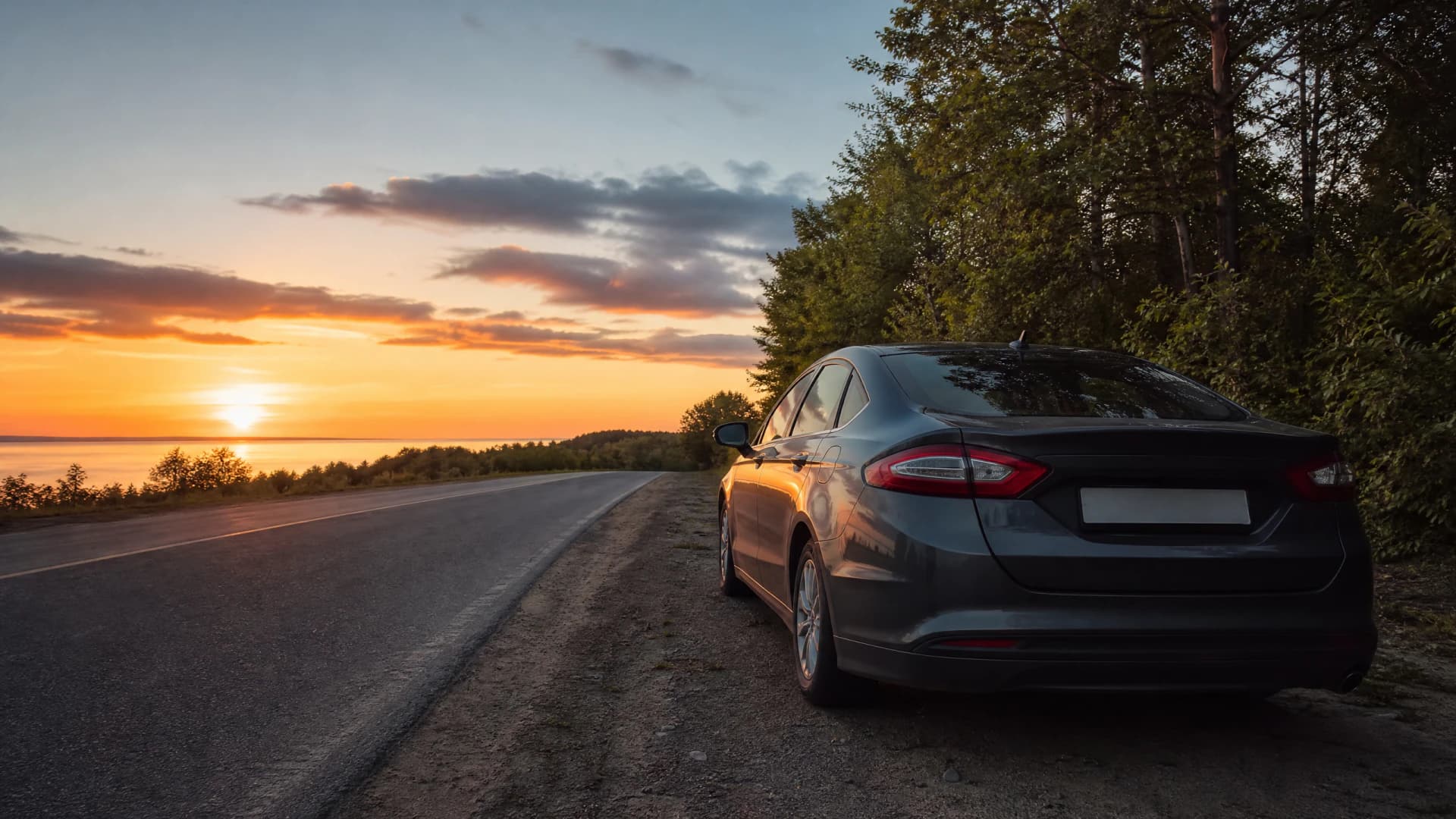
South Dakota requires UM coverage on every vehicle, but carriers won't tell you that unstacked UM splits a single limit across multiple injured household members in the same crash.
Related Articles



How Hit-and-Run Claims Work Under UM Coverage
A hit-and-run driver is treated as uninsured under South Dakota law. If a vehicle strikes yours and flees before you can identify the driver or read the plate, your UM coverage pays your household's injury claims exactly as it would if the driver had stayed at the scene and admitted they carried no insurance.
The claim process requires a police report filed within 24 hours of the crash. The report must describe the phantom vehicle to the extent you observed it: color, make, approximate size, direction of travel. Carriers will deny hit-and-run UM claims when no police report exists or when the report was filed days after the crash, because late reporting raises fraud concerns.
Single-vehicle crashes are not covered. If your car leaves the road and strikes a tree with no other vehicle involved, UM does not apply. The coverage exists to substitute for a missing at-fault driver's liability insurance, so there must be another vehicle and another driver, even if you cannot identify them.
$25,000 / $50,000
South Dakota Minimum UM Limits
South Dakota requires uninsured motorist coverage at the same minimums as liability: $25,000 per person and $50,000 per accident. Most multi-car households carry higher limits because minimum UM exhausts quickly when two or more household members are injured in the same crash.
South Dakota Codified Laws 58-11-9
Choosing UM Limits for a Multi-Car Household
South Dakota law requires UM limits to match your liability limits unless you reject higher coverage in writing. Most households choose UM limits equal to or higher than their liability limits because the coverage protects the household's own medical bills and lost income, not a third party's.
A household with three vehicles and two regular drivers should evaluate UM limits by counting the number of people who could be injured in a single crash. If both spouses are in the same car when an uninsured driver hits them, unstacked UM coverage splits the per-person limit between the two claims. Stacked UM multiplies the limit by the number of vehicles, giving each injured person access to a larger pool.
Compare Carriers That Write Multi-Car UM Coverage
Not every carrier writing auto insurance in South Dakota offers stacked UM coverage, and those that do price it differently. When you're structuring coverage for multiple vehicles, request quotes with both unstacked and stacked UM at limits equal to your liability coverage. Compare the premium difference against the coverage difference: stacked UM triples your available coverage when you insure three cars, but the cost increase is far less than triple.
Use the site's comparison tool to request quotes from carriers licensed in South Dakota that write policies covering two or more vehicles. The tool will return quotes showing both unstacked and stacked UM options where available, so you can see exactly what the coverage difference costs for your household's vehicle count.
What Uninsured Motorist Coverage Pays
Medical expenses are the largest category. UM pays hospital bills, surgery, physical therapy, prescription costs, and any other treatment directly caused by the crash. It also covers lost wages when injuries prevent you from working, calculated from pay stubs or tax returns. Pain and suffering damages are included when the injury is permanent or disfiguring, though the calculation method varies by carrier and claim severity.
UM does not pay for vehicle damage in South Dakota. Property damage caused by an uninsured driver is covered under your collision coverage or uninsured motorist property damage (UMPD) coverage if you purchased it separately. UM is strictly a bodily-injury product. It also does not pay when the at-fault driver carried liability insurance but their limits were too low to cover your injuries. That gap is filled by underinsured motorist (UIM) coverage, which South Dakota also requires and which is usually sold alongside UM as a combined UM/UIM product.
Get Your Free Quote
Get My South Dakota Car Insurance QuoteFrequently Asked Questions
Does South Dakota require uninsured motorist coverage on every vehicle?
Yes. South Dakota law requires uninsured motorist coverage on every vehicle you insure, at minimums of $25,000 per person and $50,000 per accident. You cannot reject UM coverage entirely, though you can select limits lower than your liability limits by signing a written rejection form.
What is the difference between stacked and unstacked UM coverage?
Unstacked UM gives each injured person access to the highest per-person limit on your policy. Stacked UM multiplies that limit by the number of vehicles on the policy.
Does uninsured motorist coverage pay for vehicle damage in South Dakota?
No. UM coverage in South Dakota pays only for bodily injury: medical bills, lost wages, and pain and suffering. Vehicle damage caused by an uninsured driver is covered under your collision coverage or uninsured motorist property damage coverage if you purchased it separately.
Will my UM coverage pay if a hit-and-run driver injures me?
Yes. South Dakota treats hit-and-run drivers as uninsured. Your UM coverage pays injury claims from a phantom vehicle crash, but you must file a police report within 24 hours describing the vehicle to the extent you observed it.
Can I carry different UM limits on each vehicle in my household?
Yes, but the coverage available to any injured household member is the highest single per-person limit on the policy under unstacked UM, or that limit multiplied by the number of vehicles under stacked UM. Setting different limits per vehicle does not give each vehicle's occupants access to only that vehicle's limit.
Do I need higher UM limits if I insure multiple vehicles?
Most multi-car households benefit from higher UM limits because the coverage pays injury claims for every household member injured in the same crash. Minimum UM limits of $25,000 per person exhaust quickly when two or more people are injured. Stacked UM multiplies your per-person limit by the number of vehicles, creating a larger pool of coverage.