
Cheapest Car Insurance for Clean-Record Drivers — South Dakota
Free to compare
Clean Record, Multiple Vehicles, Unclear Savings
You've kept your driving record clean for years, you insure two or three cars under one South Dakota policy, and you expected the multi-car discount to stack with your violation-free history to produce the lowest possible premium. Instead, when you added the second vehicle or combined two policies after marriage, the combined rate came back higher than you anticipated, and you're not sure whether the carrier is crediting your clean record across every vehicle or treating the new policy as a fresh underwriting decision.
The structural reality: South Dakota carriers underwrite multi-vehicle policies as a single risk pool, and adding a vehicle mid-term or combining two clean-record policies triggers a full re-rate that recalculates base premium, applies the multi-car discount, and then layers on any clean-record credit. The sequence matters, because a smaller discount on a lower base rate can beat a larger discount on a higher one, and not every carrier weights clean-record history the same way when multiple vehicles sit on one policy.
“A carrier with a lower base rate and smaller discount can beat a carrier with a higher base rate and larger discount when you insure multiple vehicles.”

Check Your Rate Against Other South Dakota Drivers
Get My South Dakota Car Insurance Quote$1,367.39
SD Average Annual Expenditure Per Vehicle
South Dakota drivers paid an average of $1,367.39 per insured vehicle in 2023, one of the lowest state averages in the country. Clean-record households insuring multiple vehicles should land below this figure when the multi-car discount and violation-free credit both apply.
NAIC Auto Insurance Database Report 2023
How Clean-Record Credit Works Across Multiple Vehicles
A clean driving record reduces your base premium before the multi-car discount applies. South Dakota carriers pull your motor vehicle record from the state Department of Public Safety Driver Licensing division and assign a tier based on violations, at-fault accidents, and claims in the prior three to five years. Zero violations place you in the preferred or standard tier, depending on the carrier's underwriting guidelines, and that tier assignment sets the starting rate for every vehicle on the policy.
When you add a second or third vehicle, the carrier re-rates the entire policy using the combined risk profile: every driver listed on the policy, every vehicle garaged at the address, and the household's aggregate claims history. The multi-car discount then applies to the combined base premium. If the newly-added vehicle is a higher-risk model or driven by a household member with a worse record than yours, the combined base rate rises even though your own record remains clean, and the multi-car discount percentage applies to that higher base.
This is why two clean-record households can receive different combined premiums for the same vehicle count. The carrier that offers the largest multi-car discount percentage is not always the cheapest option, because the discount applies after base-rate calculation. A carrier with a lower base rate and a smaller discount can produce a lower combined premium than a carrier with a higher base rate and a larger discount, especially when the household includes multiple high-value vehicles or a young driver.
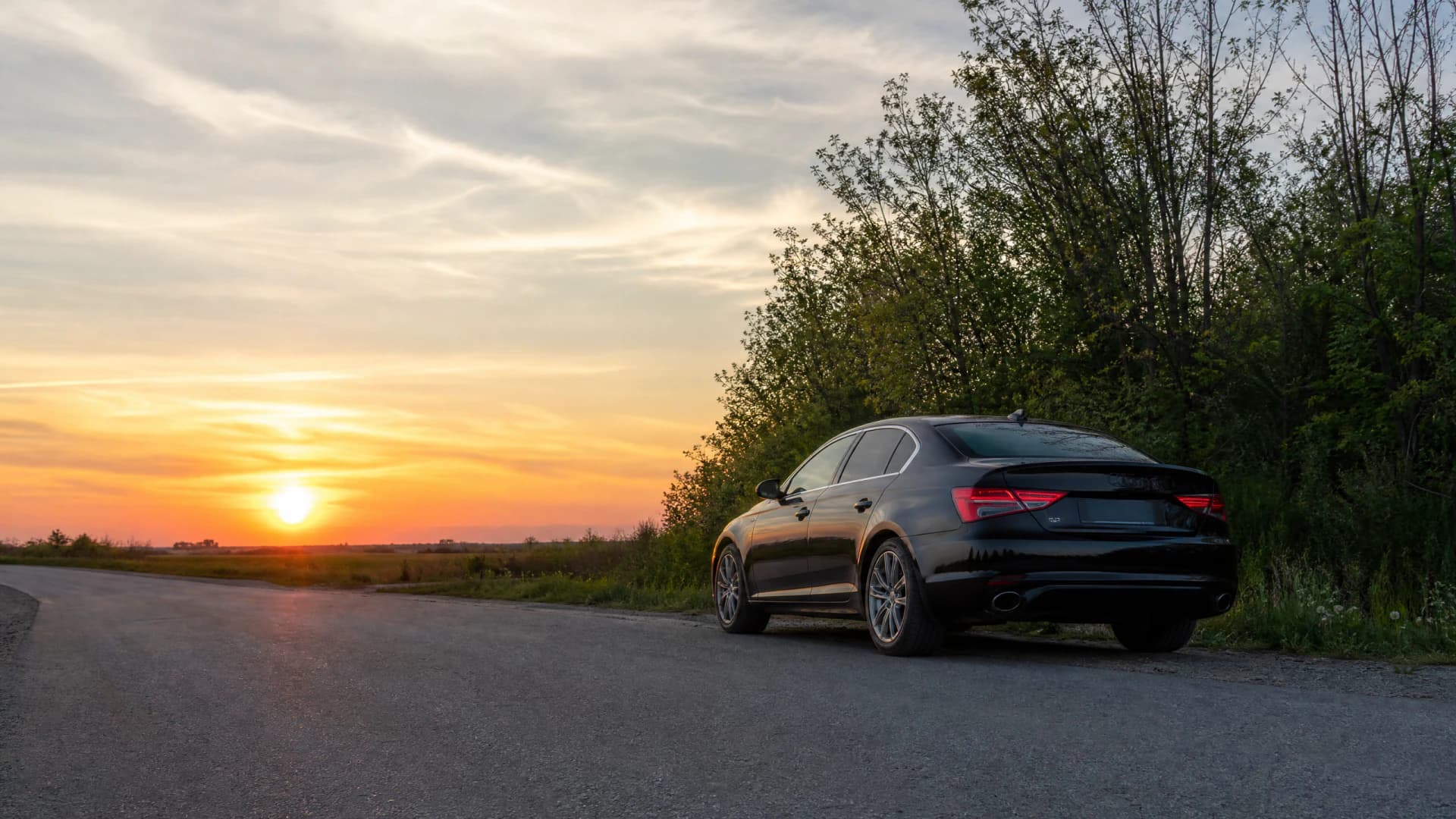
Adding a vehicle mid-term re-rates your entire policy, not just the new car. Your clean-record credit applies to the combined base premium before the multi-car discount layers on top.





Multi-Car Discount Requirements in South Dakota
The multi-car discount requires every vehicle to sit on the same policy. South Dakota does not mandate a shared garaging address for the discount to apply, but most carriers require it as an underwriting rule. If you own three vehicles but one is garaged at a different address, titled to a household member on a separate policy, or registered in another state, that vehicle does not count toward the multi-car discount on your South Dakota policy.
When two clean-record drivers marry or move in together and each brings a vehicle, combining the two policies into one multi-vehicle policy usually lowers the combined premium, but not always. If one driver's vehicle is significantly more expensive to insure than the other, or if one driver is younger or has a shorter insurance history, the combined base rate can rise enough that the multi-car discount does not fully offset the increase. Compare the combined quote against the sum of the two separate policies before canceling either one.
Adding a third or fourth vehicle to an existing two-car policy applies the same multi-car discount percentage to the entire policy, but the combined base premium rises with each vehicle. The marginal cost of the third vehicle is lower than the cost of the second, because the discount applies to all three, but the total premium still increases. Clean-record households insuring four or more vehicles should request a quote that breaks out the per-vehicle cost after the discount, because some carriers cap the discount at three vehicles.
9.4%
SD Uninsured Motorist Rate
9.4% of South Dakota motorists drove uninsured in 2023. Clean-record households insuring multiple vehicles should carry uninsured motorist coverage at the same limits as liability, because a single accident with an uninsured driver can wipe out years of premium savings.
Insurance Research Council 2023
Coverage Decisions That Affect Clean-Record Premiums
South Dakota requires $25,000 per person and $50,000 per accident in bodily injury liability, $25,000 in property damage liability, and uninsured motorist coverage at the same limits. Clean-record households insuring multiple vehicles should carry higher liability limits than the state minimum, because a single at-fault accident that exceeds $50,000 in combined injuries exposes you to personal liability for the difference, and that exposure grows with the number of vehicles you own.
Collision and comprehensive coverage are optional, but lenders require both if you finance or lease any vehicle on the policy. Dropping collision on an older paid-off vehicle lowers your premium, but the savings are smaller on a multi-vehicle policy than on a single-car policy, because the multi-car discount already reduced the per-vehicle cost. A $500 or $1,000 deductible balances premium cost against out-of-pocket risk; clean-record households with an emergency fund can choose the higher deductible and bank the premium difference.
Compare Carriers That Write Your Household Profile
Request quotes from at least three carriers that write preferred or standard multi-vehicle policies in South Dakota. Provide identical coverage limits, deductibles, and household information to every carrier so the quotes are comparable. The lowest combined premium for your household depends on how each carrier weights your clean record, your vehicle types, your garaging zip code, and the number of cars on the policy.
South Dakota does not prohibit credit-based insurance scoring, and most carriers use it as an underwriting factor. If your credit score has improved since you bought your current policy, re-quoting can lower your premium even if your driving record and vehicle count have not changed. If you've added a vehicle in the past 12 months and did not re-shop at that time, compare your current carrier's rate against competitors now, because the combined policy you're paying for may no longer be the cheapest option for your household.
Which SD Carriers Write Clean-Record Multi-Vehicle Policies
State Farm, Allstate, American Family, and Auto-Owners write preferred-tier multi-vehicle policies and maintain agent networks across South Dakota. These carriers typically reserve their lowest rates for households with zero violations and multiple vehicles on one policy, but base rates vary by county and vehicle type. USAA writes clean-record multi-vehicle policies for military-affiliated households and consistently ranks among the lowest-cost carriers for violation-free drivers, but eligibility is restricted to active duty, veterans, and their families.
Geico, Progressive, Farmers, and Nationwide write standard-tier multi-vehicle policies and offer online quoting. These carriers apply the multi-car discount at the policy level, meaning every vehicle on the policy receives the discount, but the discount percentage and the base rate both vary by household risk profile. Bristol West, Dairyland, National General, and The General write non-standard and high-risk policies; clean-record households should compare preferred and standard carriers first, because non-standard base rates start higher even when the multi-car discount applies.
Get Your Free Quote
Get My South Dakota Car Insurance QuoteFrequently Asked Questions
Does a clean driving record lower my premium on every vehicle I insure in South Dakota?
Yes. South Dakota carriers apply your clean-record tier to the base premium before calculating the multi-car discount, so every vehicle on your policy benefits from your violation-free history. The discount percentage varies by carrier, but the tier assignment applies to the entire policy.
Can I get the multi-car discount if my spouse has a violation on their record?
Yes, but the combined policy will be rated using the household's aggregate risk profile, which includes your spouse's violation. Your clean record lowers the base premium, but the violation raises it, and the multi-car discount applies to the combined base rate. Compare quotes to see which carrier weights your clean record most favorably.
How much does adding a second vehicle to my South Dakota policy cost?
The marginal cost depends on the vehicle type, your garaging zip code, and your carrier's base rate. The multi-car discount applies to both vehicles, so the second vehicle costs less than it would on a separate policy, but the total premium still rises. Request a quote that shows the per-vehicle cost after the discount.
Do I need to re-shop my policy every year if I have a clean record?
Not every year, but re-shopping every two to three years ensures you're still getting the lowest rate for your household. Carrier base rates change, your credit score may improve, and the competitive landscape shifts. If you've added a vehicle or moved to a different zip code, re-shop immediately.
Which South Dakota carriers offer the lowest rates for clean-record households with multiple vehicles?
State Farm, USAA, American Family, and Auto-Owners consistently rank among the lowest-cost carriers for clean-record multi-vehicle households in South Dakota, but the cheapest carrier for your household depends on your specific vehicles, garaging address, and household risk profile. Compare at least three quotes with identical coverage limits.